What Are The Drawbacks Of Hydroelectric Energy

Hey there, curious minds! Ever stopped to think about where your electricity comes from? Probably not, right? We just flip a switch and poof, light! But behind that simple action lies a complex web of energy generation, and one of the major players in that game is hydroelectric power. It's relevant (and kinda fun!) because as we try to power our world in a more sustainable way, understanding the pros AND cons of different energy sources becomes super important. Think of it like this: we're trying to build the best energy "team" possible, and we need to know everyone's strengths and weaknesses to make the smartest choices.
So, what exactly is hydroelectric power? In a nutshell, it's using the power of moving water to generate electricity. Think of a big river, then imagine a dam holding back that water, creating a reservoir. When we release some of that water, it flows through turbines (imagine giant water wheels), which then spin generators that create electricity. The whole point is to harness a readily available natural resource – water – to create a clean and renewable energy source. It’s brilliant because it doesn’t involve burning fossil fuels, which release harmful greenhouse gases into the atmosphere.
You encounter hydroelectric power more often than you might think! Schools often use hydro-generated electricity, and many homes are powered by it too. Remember those documentaries about the Hoover Dam? That’s a prime example of a massive hydroelectric project. Beyond just electricity, dams built for hydroelectric power can also help with irrigation and flood control, providing crucial resources and protection for communities. You can even explore the impact of hydroelectricity in your daily life by checking your electricity bill; it often breaks down the sources of your power!
Must Read
Okay, so hydro sounds pretty amazing, right? Clean energy, renewable resource… what's not to love? Well, like any technology, hydroelectric power has its drawbacks. Let's dive into those.
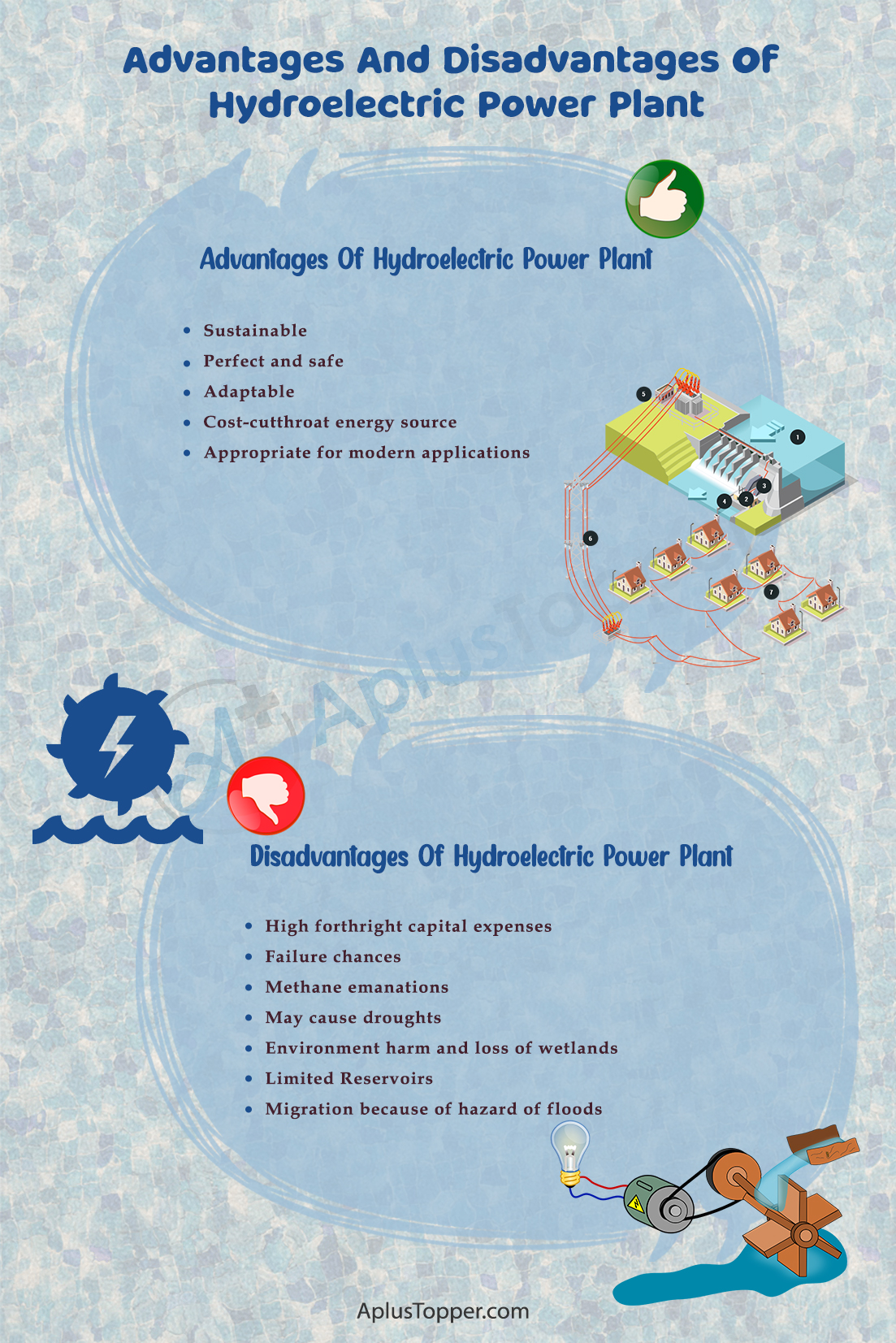
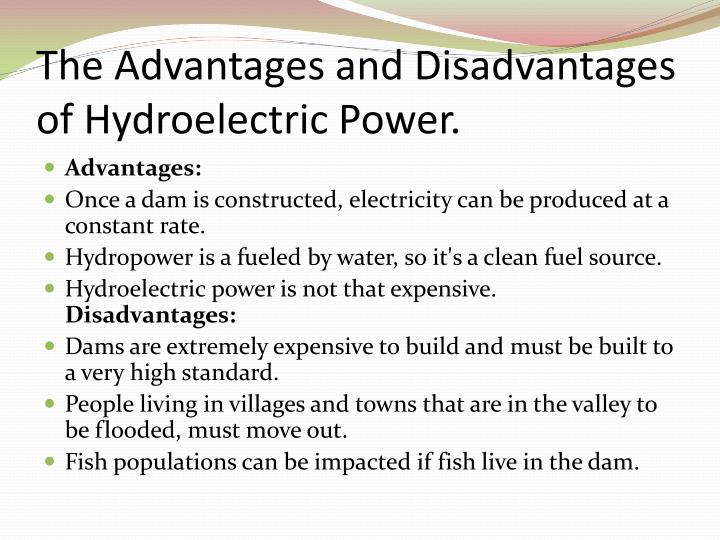
One of the biggest problems is the environmental impact. Building a dam can dramatically alter the landscape. The reservoir behind the dam floods vast areas of land, often displacing communities and destroying natural habitats. Imagine a forest, turned into a lake! This can have devastating consequences for local ecosystems, affecting wildlife and plant life. Specifically, it can disrupt fish migration patterns, making it difficult for fish to reach their spawning grounds. Some dams even have "fish ladders" to help fish get around them, but these aren't always effective.
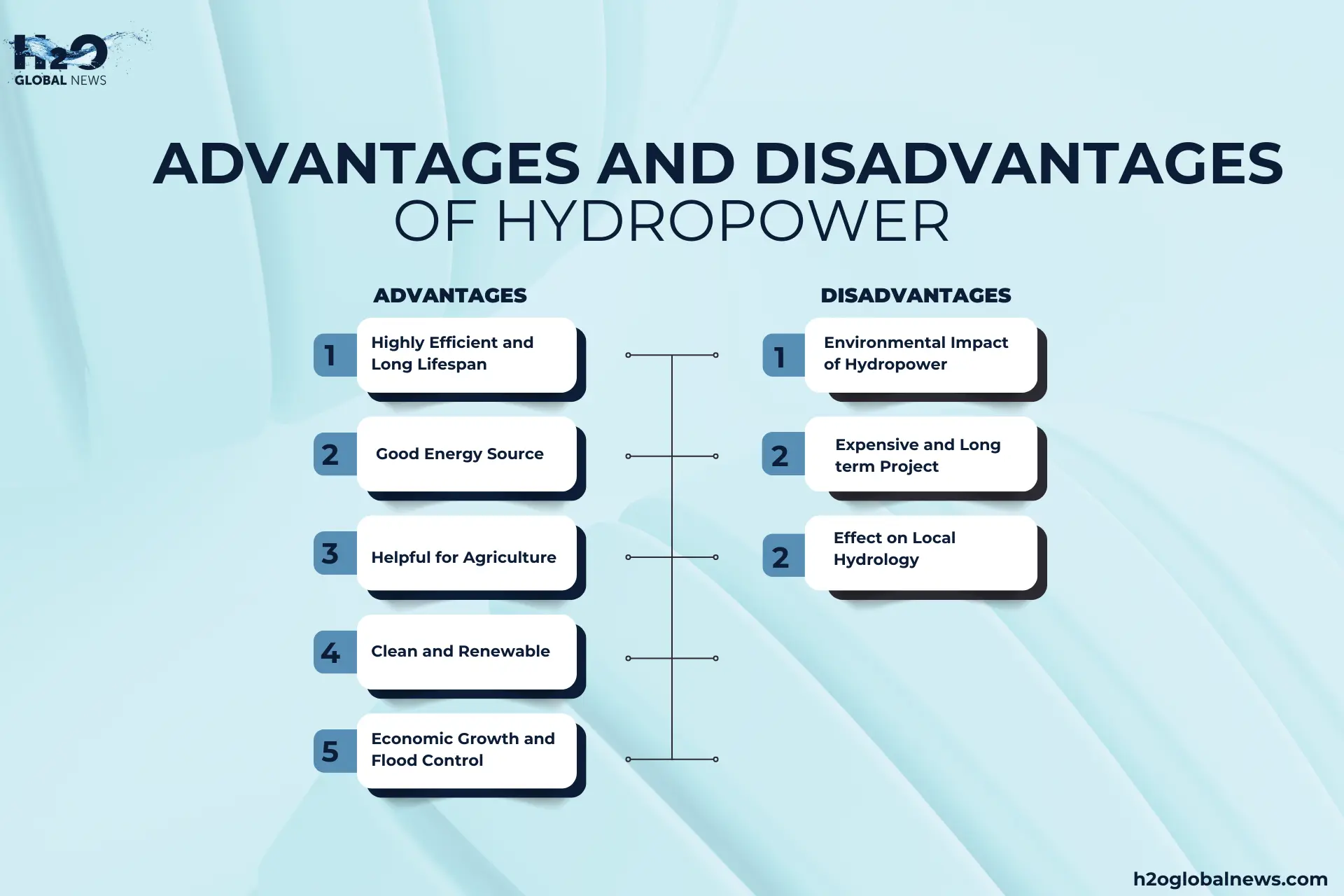
Another issue is sedimentation. Rivers naturally carry sediment downstream, which is vital for maintaining fertile soil in floodplains and deltas. But dams trap that sediment, leading to a build-up behind the dam and a reduction downstream. This can negatively affect agriculture and coastal ecosystems.
And let's not forget about the social impact. Building dams can displace communities, forcing people to relocate and disrupting their traditional ways of life. This is especially true for indigenous communities who often rely on rivers for their livelihoods and cultural practices.

Finally, there's the issue of methane emissions. Reservoirs, particularly in warmer climates, can release methane, a potent greenhouse gas, as organic matter decomposes underwater. This can partially offset the climate benefits of hydroelectric power.
So, how can you explore this topic further? Look up dams in your region and research their impact. Watch documentaries about hydroelectric power and its consequences. Even better, if you have the opportunity, visit a dam and learn about its operation and the challenges it faces. The more we understand about all energy sources – both the good and the bad – the better equipped we are to make informed decisions about our energy future.