What Are The Disadvantages Of Hydrogen Fuel Cells
Hydrogen fuel cells are having a bit of a moment, aren't they? Everyone's talking about them as the next big thing in clean energy. They sound fantastic, turning hydrogen into electricity with just water as a byproduct! But before we all rush out and trade in our cars (or dream of powering our homes with them), let's take a peek under the hood and talk about some of the downsides. It's always good to be informed, right?
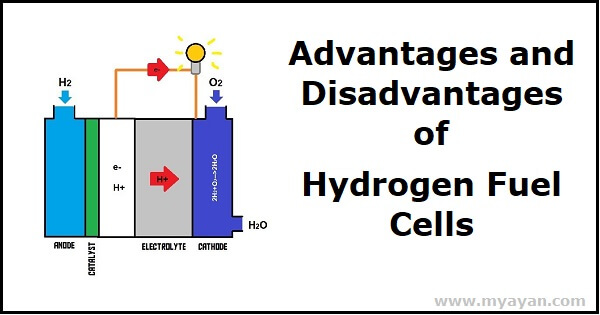
So, what are these hydrogen fuel cells good for, and who cares? Well, for beginners, think of them like batteries, but instead of storing energy, they continuously make it as long as you feed them hydrogen. For families, the promise is clean, quiet transportation and maybe even home power in the future. Imagine never having to visit a gas station again! And for hobbyists, they're a fascinating technology to tinker with, offering a glimpse into a potentially revolutionary energy source. Plus, for everyone, less pollution is a major win!
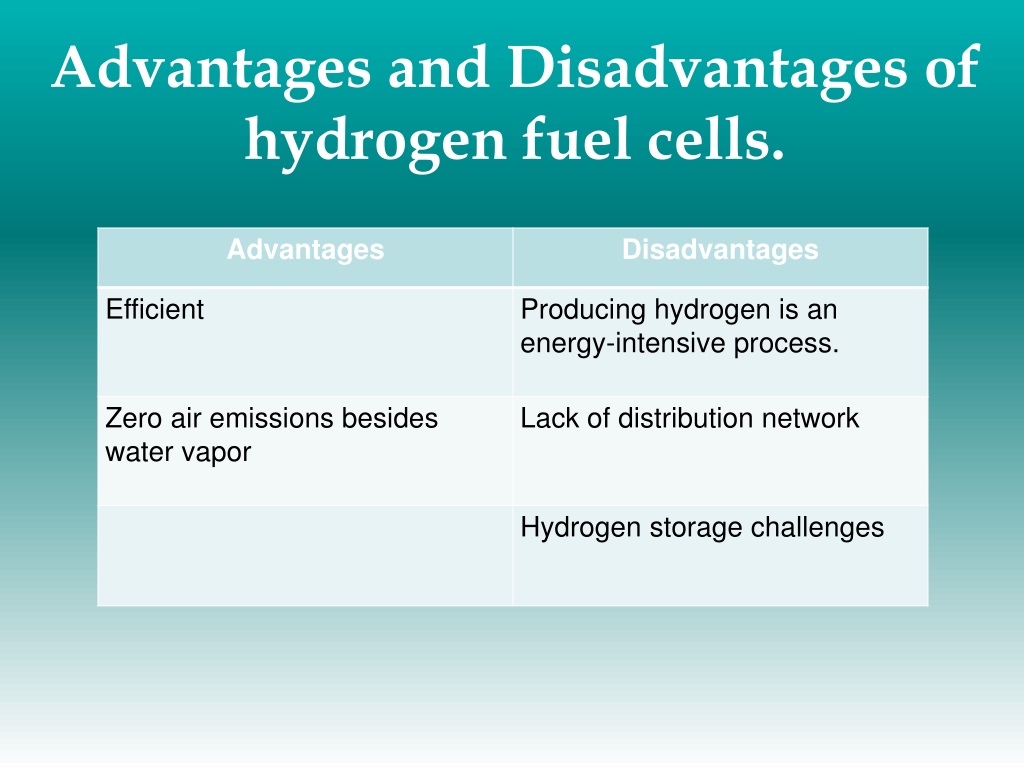
But here’s where it gets a little tricky. One of the biggest challenges is hydrogen production. Currently, much of the hydrogen produced comes from natural gas, a process that still releases carbon dioxide – defeating some of the environmental benefits. There are cleaner methods, like electrolysis (using electricity to split water), but these are often more expensive and energy-intensive, especially if the electricity source isn't renewable. It’s a bit of a “chicken and egg” situation – we need more clean hydrogen production to make fuel cells truly green.
Must Read
Another hurdle is infrastructure. Think about it: you can drive pretty much anywhere in the world and find a gas station. But hydrogen refueling stations? They're few and far between. Building a network of these stations is a massive undertaking, requiring significant investment and careful planning. Without a reliable refueling network, owning a hydrogen-powered vehicle becomes a bit of a logistical nightmare.
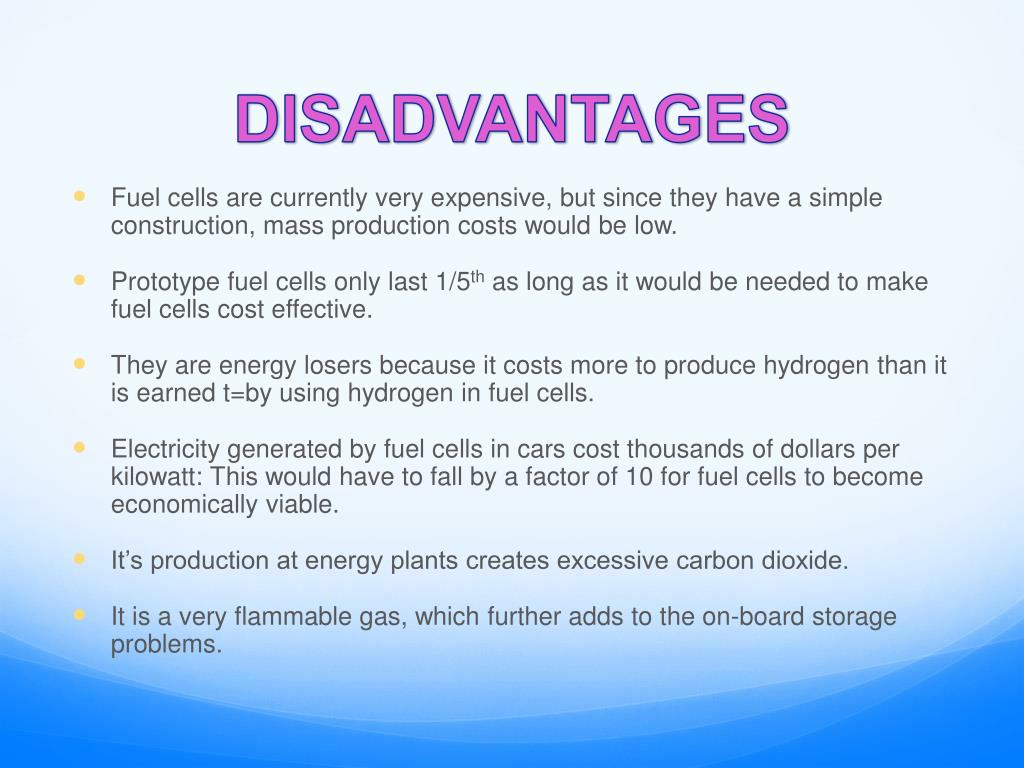
Then there's the cost. Hydrogen fuel cells and the vehicles that use them are generally more expensive than their gasoline or even electric counterparts. This is due to the materials used in the fuel cells, like platinum, which are rare and costly. While prices are coming down, they're still a significant barrier for many potential buyers. Consider also the costs to transport hydrogen to stations or even storing it safely.
Durability and longevity are also concerns. Fuel cells, like any technology, can degrade over time. The lifespan of a fuel cell stack, the heart of the system, needs to be improved to make them a truly viable long-term option. Finally, remember that hydrogen is a very small molecule, making it difficult to contain. Storage challenges can result in leaks or even be unsafe.
So, how can you dip your toe into the world of hydrogen? Start by doing some research! There are plenty of online resources and articles that can help you learn more about the technology. You can even find small-scale fuel cell kits for educational purposes. Don't be afraid to ask questions and explore the possibilities!
Despite these challenges, hydrogen fuel cells hold immense promise for a cleaner energy future. Understanding the downsides allows us to be more realistic about their potential and to focus on developing solutions to these problems. Exploring new technologies is always exciting and learning about how it works is the first step.