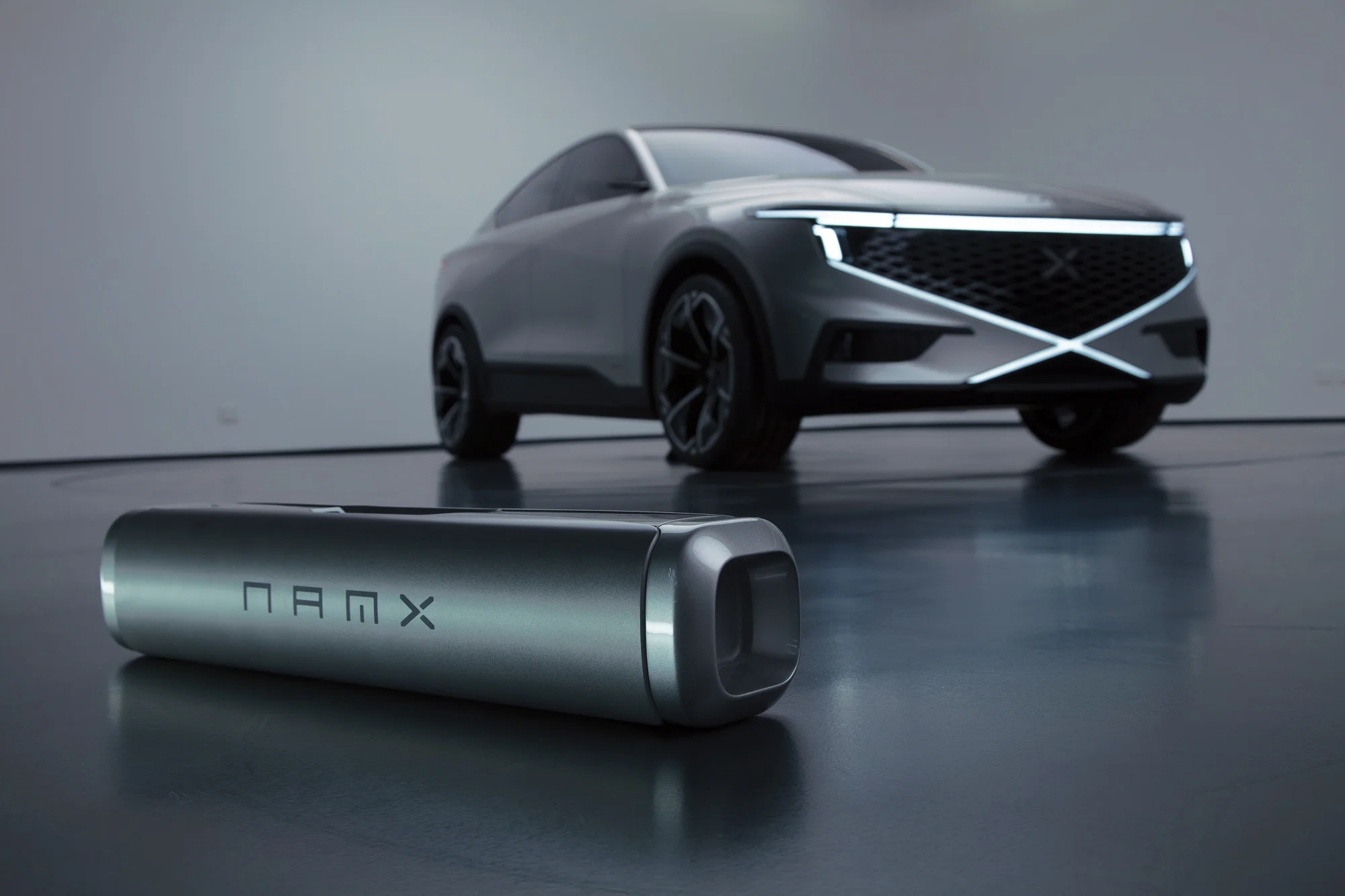
What Are The Disadvantages Of Having A Hydrogen Car

Hydrogen cars! They sound like something straight out of a sci-fi movie, right? Zero emissions, powered by the most abundant element in the universe – what's not to love? Well, as with any new technology, there's a flip side. Let's dive into the less-talked-about aspects of hydrogen vehicles and explore some of their disadvantages. It's a conversation worth having, especially if you're considering making the switch to a greener ride.
Why should you care? If you're a beginner just learning about alternative fuel options, understanding the cons of hydrogen cars is just as important as knowing the pros. For families, practical considerations like cost, refueling infrastructure, and safety are paramount. And for the hobbyist or eco-conscious driver, knowing the limitations helps to make informed decisions about future car purchases or even contribute to innovative solutions.
So, what are these downsides? The biggest hurdle is the lack of infrastructure. Think about it: gas stations are everywhere. Electric charging stations are becoming more common. But hydrogen fueling stations? They're few and far between, mostly concentrated in specific regions like California. This "chicken and egg" problem – not enough cars because there aren't enough stations, and not enough stations because there aren't enough cars – is a major roadblock to widespread adoption.
Must Read
Then there's the cost factor. Hydrogen cars themselves tend to be more expensive than comparable gasoline or even electric vehicles. While government incentives can help offset some of this cost, the initial investment can still be significant. Furthermore, the cost of hydrogen fuel itself can fluctuate and sometimes be higher than gasoline, depending on location and production methods. It’s not always the budget-friendly option many hope for.

Efficiency concerns are another point to consider. Converting energy to hydrogen, storing it, transporting it, and then converting it back to electricity in the car’s fuel cell is a multi-step process, and each step involves some energy loss. This means that hydrogen cars aren't quite as energy-efficient as battery-electric vehicles, where electricity goes straight from the grid to the battery and then to the motor. This efficiency gap influences the range of hydrogen vehicles and the overall carbon footprint.
Finally, there's the question of hydrogen production. While hydrogen itself is clean, the way it's produced isn't always. Currently, a significant portion of hydrogen is produced from natural gas, a process that releases carbon dioxide. While "green hydrogen" produced from renewable energy sources is gaining traction, it’s not yet the dominant method. This means that the environmental benefits of a hydrogen car are somewhat dependent on the source of the hydrogen fuel. Some variations include electrolysis using solar power, or even deriving hydrogen from algae!
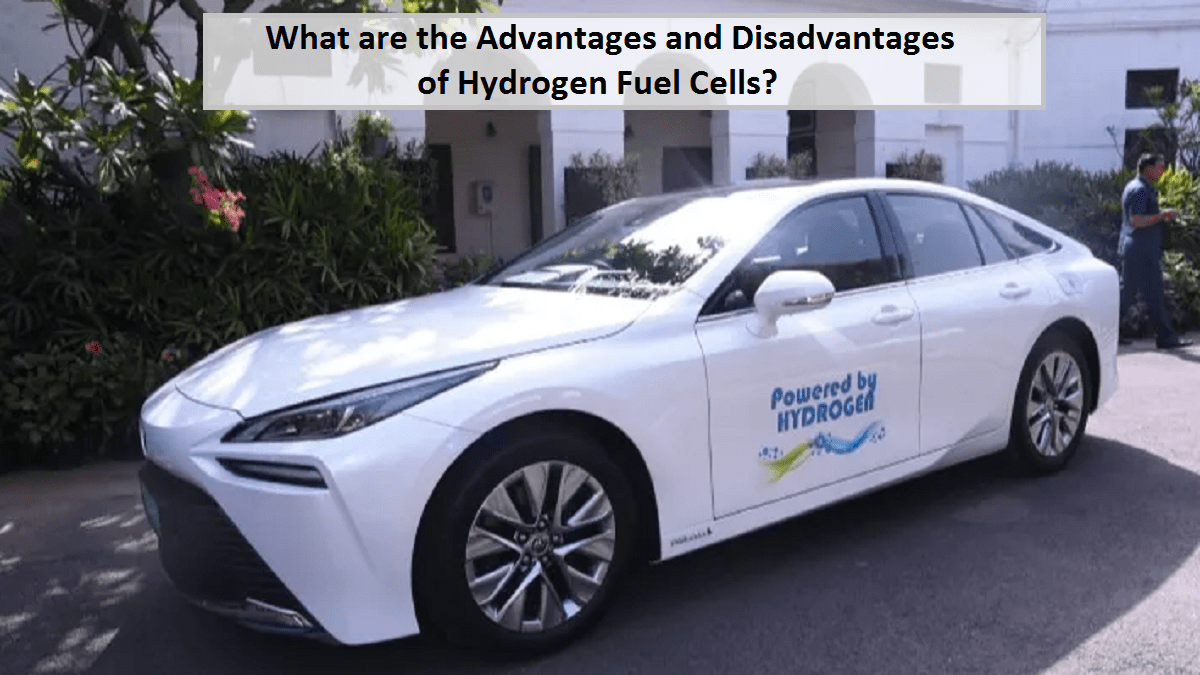
Want to learn more? Here are some tips:
- Research: Dig into reports and articles from reputable sources like the Department of Energy and automotive industry publications.
- Visit: If possible, visit a hydrogen fueling station or attend an automotive expo to see hydrogen cars firsthand.
- Compare: Carefully compare the total cost of ownership (including fuel, maintenance, and insurance) of hydrogen cars with other vehicle options.
Despite these challenges, hydrogen technology is constantly evolving. New production methods, improved infrastructure, and advancements in fuel cell technology are all paving the way for a potentially cleaner and more sustainable transportation future. Understanding the current disadvantages is key to appreciating the potential and contributing to the ongoing conversation about hydrogen's role in that future. Even with the current limitations, driving a hydrogen car can be a fascinating and forward-thinking experience, offering a glimpse into the possibilities of alternative energy.