
What Are The Different Types Of 3d Printers
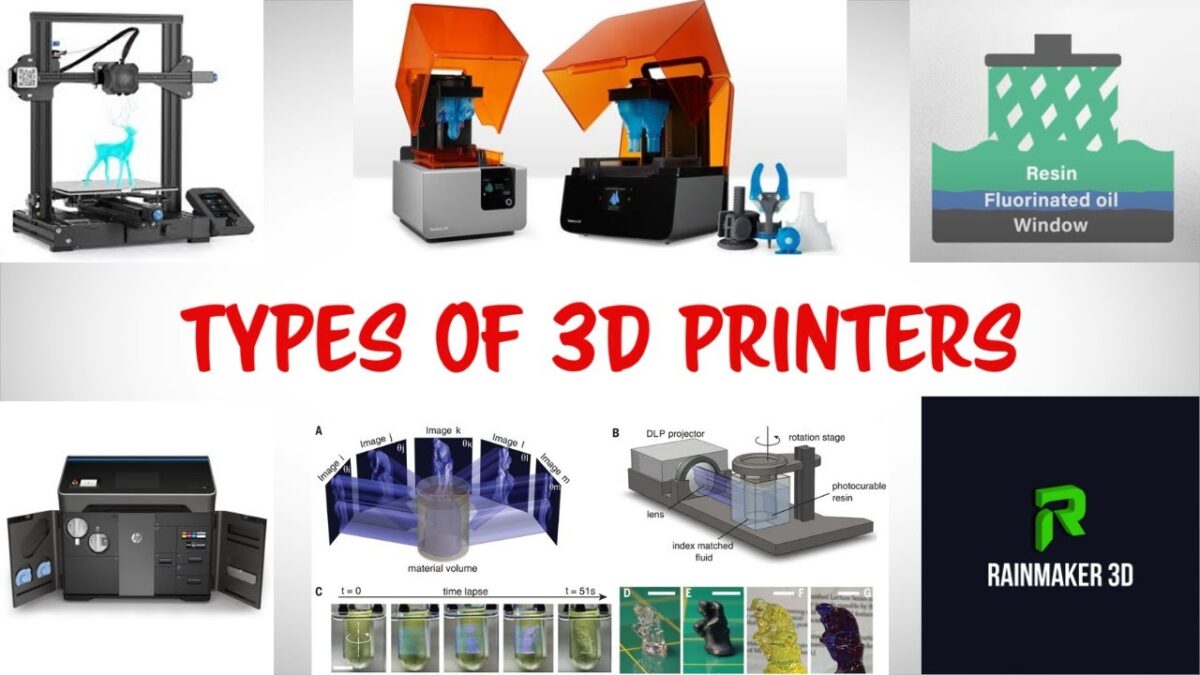
Hey there, friend! Ever wondered about those magical machines that can conjure up objects from thin air? I'm talking about 3D printers, of course! They're way cooler than your average inkjet (sorry, inkjet!). Let's dive into the different flavors they come in, shall we? It's like choosing ice cream, but with more melting plastic (or resin, or metal...more on that later!).
FDM: The OG (and Most Popular)
First up, we have Fused Deposition Modeling (FDM). Think of it as a super-precise, hot glue gun on steroids. It's the most common and generally the cheapest type of 3D printer you'll find. You feed it a spool of plastic filament (like PLA or ABS), and it melts the plastic and squirts it out, layer by layer, until your object is complete. Think building a castle out of spaghetti... but way more accurate and less messy (hopefully!).
Pros: Affordable, easy to use, lots of material options. It's like the Honda Civic of 3D printers – reliable and gets the job done.
Must Read
Cons: Can sometimes have visible layer lines (like tiny steps), and might not be the best for super-intricate details. Unless you like the layered look, then it's a feature, not a bug!
SLA/DLP: The Resin Wizards
Next, we have Stereolithography (SLA) and Digital Light Processing (DLP). These are like the fancy wizards of the 3D printing world. They use liquid resin that's cured by light – either a laser (SLA) or a projector (DLP). Imagine dipping a sculpture into a magical potion that solidifies it bit by bit. Sounds like something out of Harry Potter, right?

Pros: Incredible detail and smooth surfaces. Perfect for miniatures, jewelry, or anything that needs to look polished. They are the runway models of the 3D printing world.
Cons: Resin can be a bit messy and requires careful handling (gloves, ventilation, the whole shebang). And the build volume (the size of the stuff you can print) is often smaller than FDM printers. Also, resin can sometimes smell a bit...interesting. Let’s just say “distinctive” is a good word for it.
SLS: The Powder Powerhouse
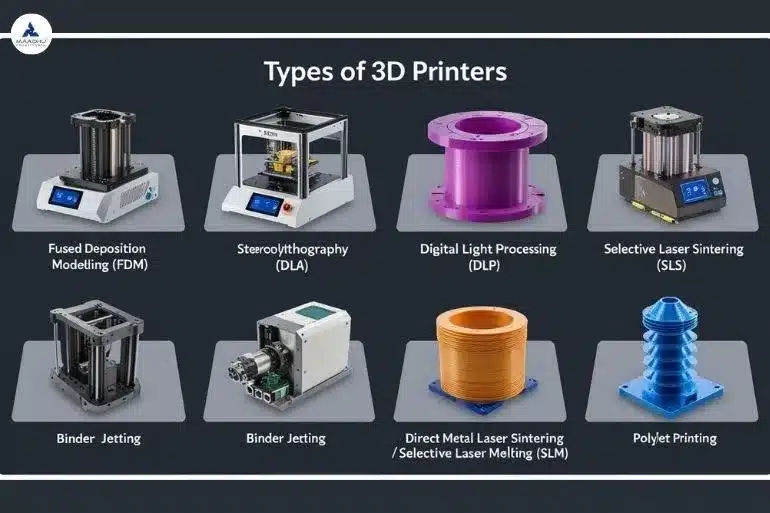
Now, let's talk about Selective Laser Sintering (SLS). This one uses a laser to fuse together powdered materials, like nylon or even metal! It's like sand art, but instead of carefully pouring different colors, you're zapping powder together with lasers. Lasers are always cool, right?
Pros: Can create strong and complex parts, and doesn't require support structures like FDM and SLA (meaning less cleanup!).
Cons: SLS printers are typically more expensive and complex to operate, making them better suited for industrial applications. Unless you're planning to build a robot army in your garage, this might be overkill (but hey, no judgement!).
Material Jetting: The Multi-Material Master
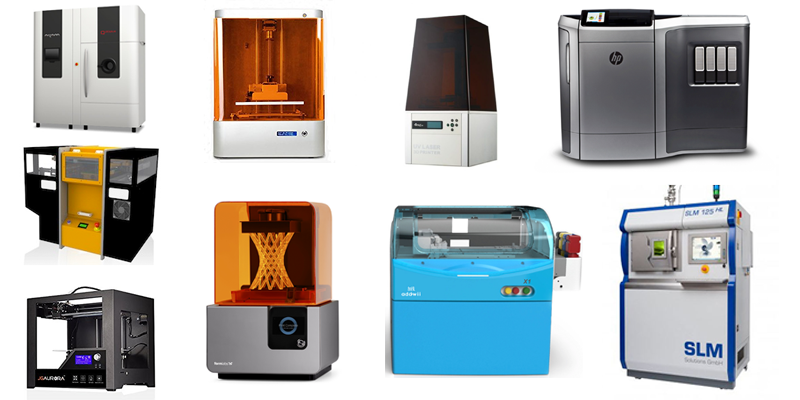
Finally, we have Material Jetting. This technology sprays tiny droplets of different materials onto the build platform and then cures them with UV light. Think of it as an inkjet printer, but instead of ink, it's jetting different types of resin or polymers. The result? You can print objects with different colors, textures, and even material properties all in one go!
Pros: Can create full-color, multi-material objects with smooth surfaces and fine details. Imagine printing a shoe with a flexible sole and a rigid upper, all at once!
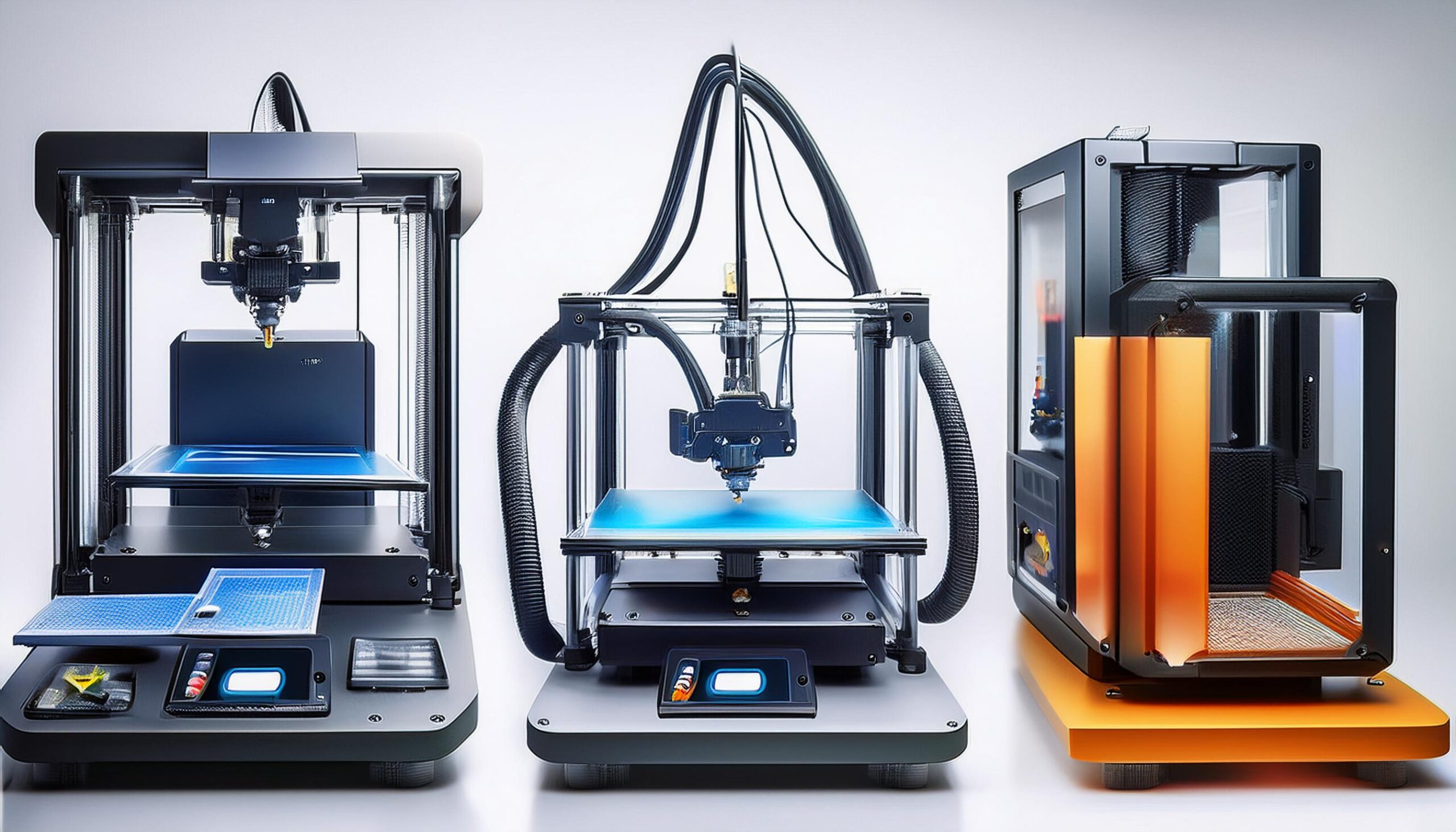
Cons: These printers are super expensive and typically used for specialized applications like prototyping or medical modeling. It's the Rolls Royce of 3D printers – luxurious but probably not what you need for printing keychains.
So, there you have it! A quick tour of the wonderful world of 3D printers. Whether you're dreaming of printing your own action figures, designing intricate jewelry, or just want to tinker with new technology, there's a 3D printer out there for you. Just remember to do your research, have fun, and maybe wear safety glasses – just in case!
Now go forth and create! The world needs your brilliance, one layer at a time. And if you accidentally print something that takes over the world, well, at least you'll have a cool story to tell. Happy printing!