
What Are The Different Levels Of A Hurricane
So, hurricanes, huh? Giant swirling beasts of weather! They’re not just a rainy day. They’re like nature's way of saying, "Hold my beer, I'm about to rearrange the furniture!" Let's dive into how these meteorological monsters are categorized. Trust me, it's surprisingly fun.
Tropical Disturbance: The "Is That a Hurricane... Maybe?" Phase
First up, we have the Tropical Disturbance. Think of it as a weather system with a bit of an attitude. It's basically a cluster of thunderstorms. Are they organized? Not really. Are they spinning? Eh, kinda. Do they have a defined center? Nope! It's like a moody teenager; full of potential, but mostly just disorganized chaos.
Basically, it's a low-pressure area. It might develop. Or it might just fizzle out like a bad reality TV show. Only the weather gods know for sure!
Must Read
Tropical Depression: Officially a Thing! (Sort Of)
Next, we've got the Tropical Depression. Things are getting real! Now we have a closed circulation – meaning the wind is actually swirling around a defined center. The winds are picking up, but still relatively mild. We’re talking less than 39 mph.
This is when meteorologists start getting really interested. They give it a number. It’s like the hurricane equivalent of getting your driver's permit. You're on the road to destruction...err, I mean, development!
Did you know? Tropical depressions can be surprisingly difficult to predict. Sometimes they strengthen rapidly. Other times, they just wander around aimlessly like a lost tourist.
Tropical Storm: Name, Rank, and Serial Number
Okay, now we're talking! A Tropical Storm has winds between 39 and 73 mph. More importantly, it gets a NAME! This is a big deal. Imagine being a storm and finally getting a proper title. Like suddenly being knighted.
Naming is important! They follow a specific alphabetical list each year. Once the list is exhausted, they start using the Greek alphabet. (Alpha, Beta, Gamma...you get the idea). And if that runs out? I guess we'll have to make up some new letters. Or maybe just start naming them after famous weather forecasters. The possibilities!
Funny fact: Names that cause extreme damage are retired. No more Hurricane Katrina or Harvey. They're just too infamous. It's like the weather's version of the "Do Not Call" list.
![Understanding Hurricane Categories [+ Preparation List]](https://www.alertmedia.com/wp-content/uploads/2019/05/hurricane-categories.jpg)
Hurricane: The Main Event!
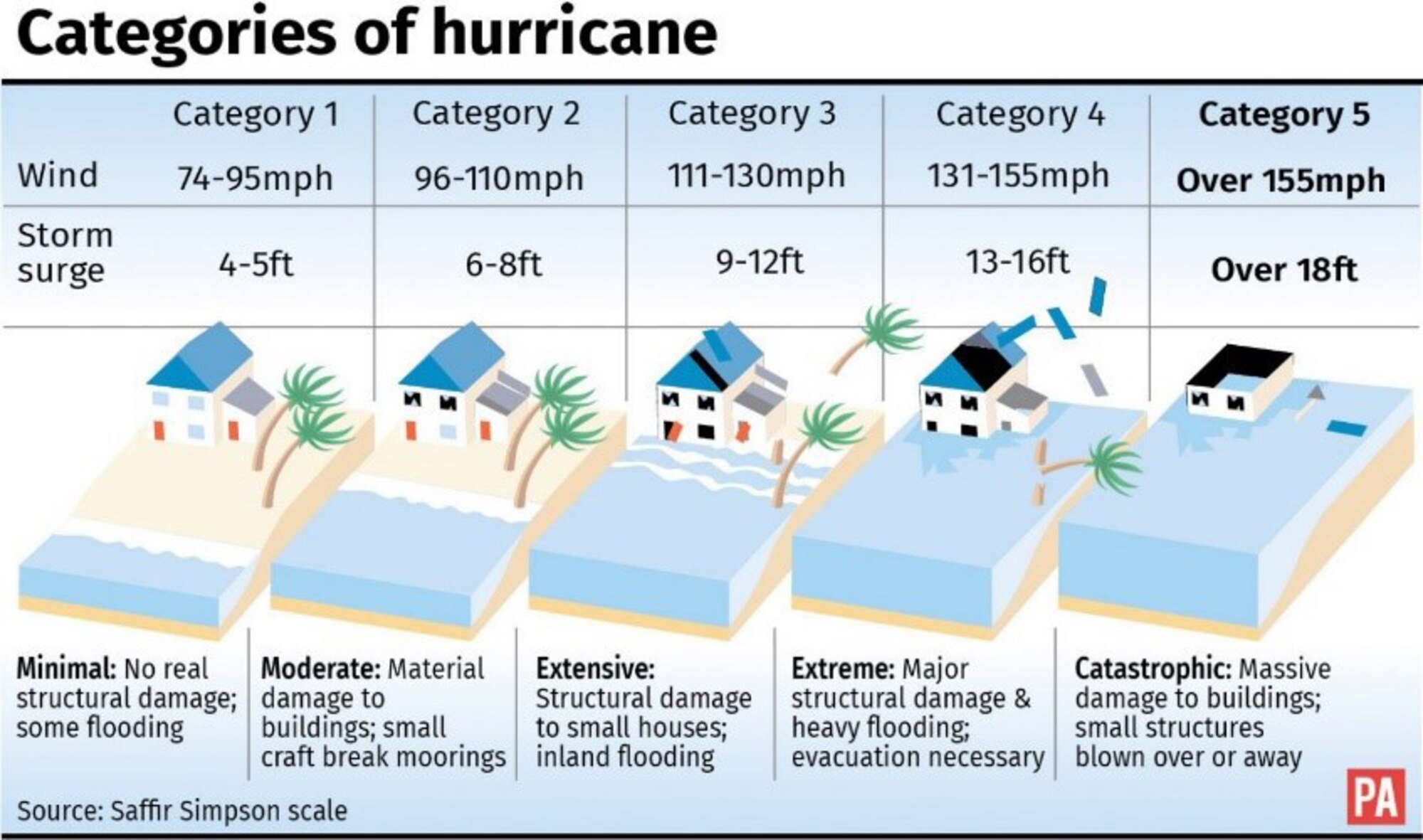
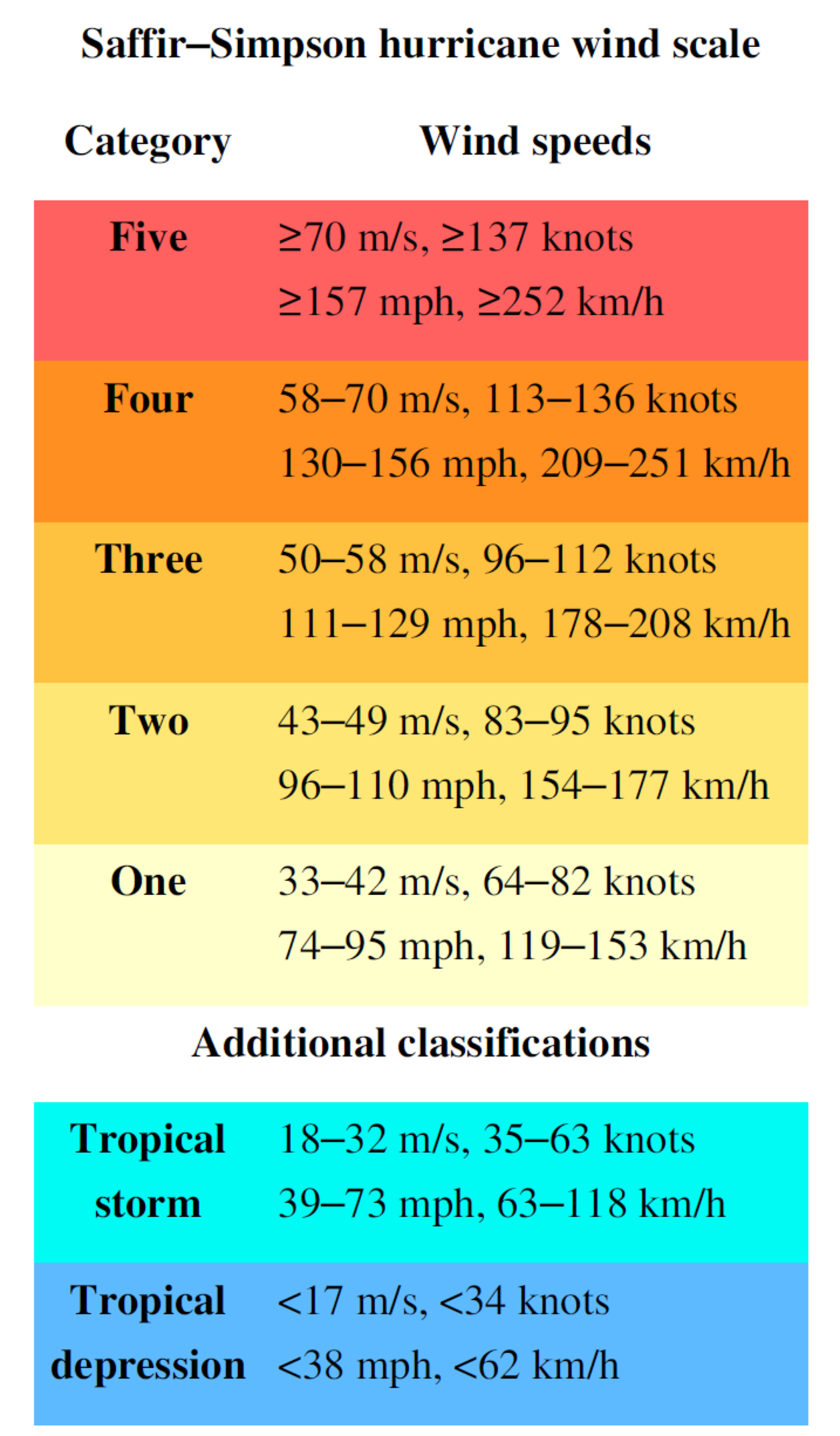
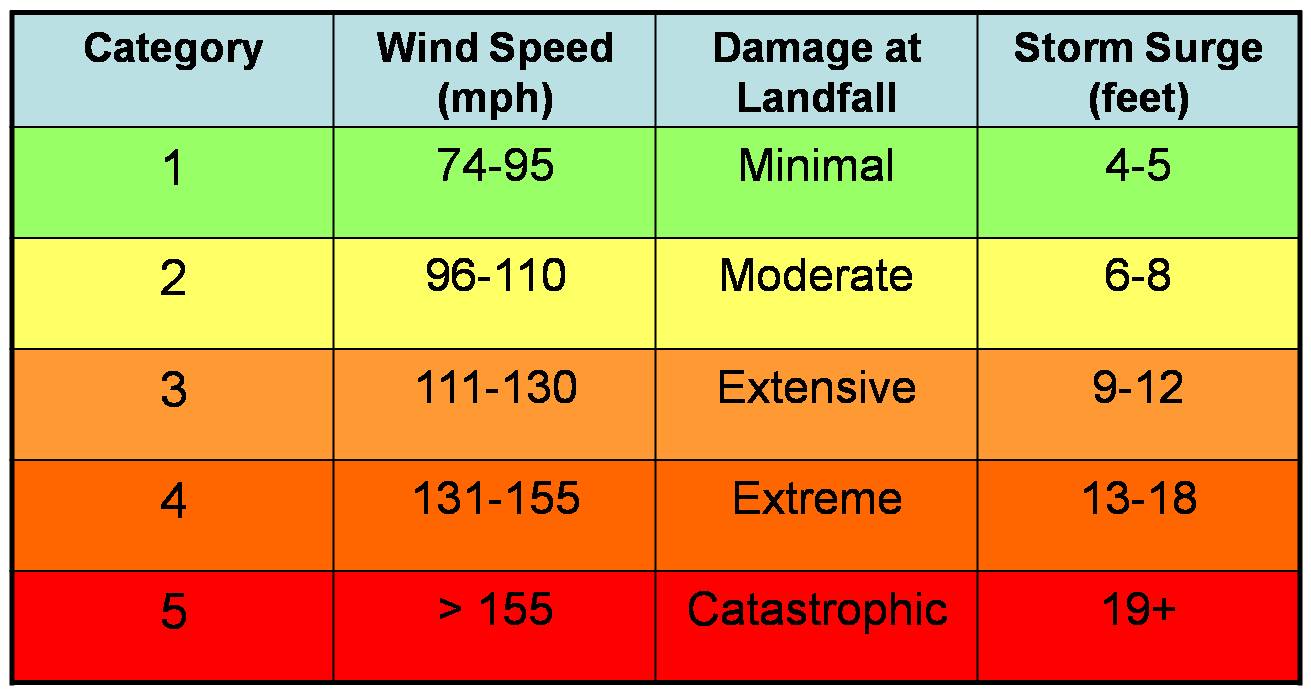
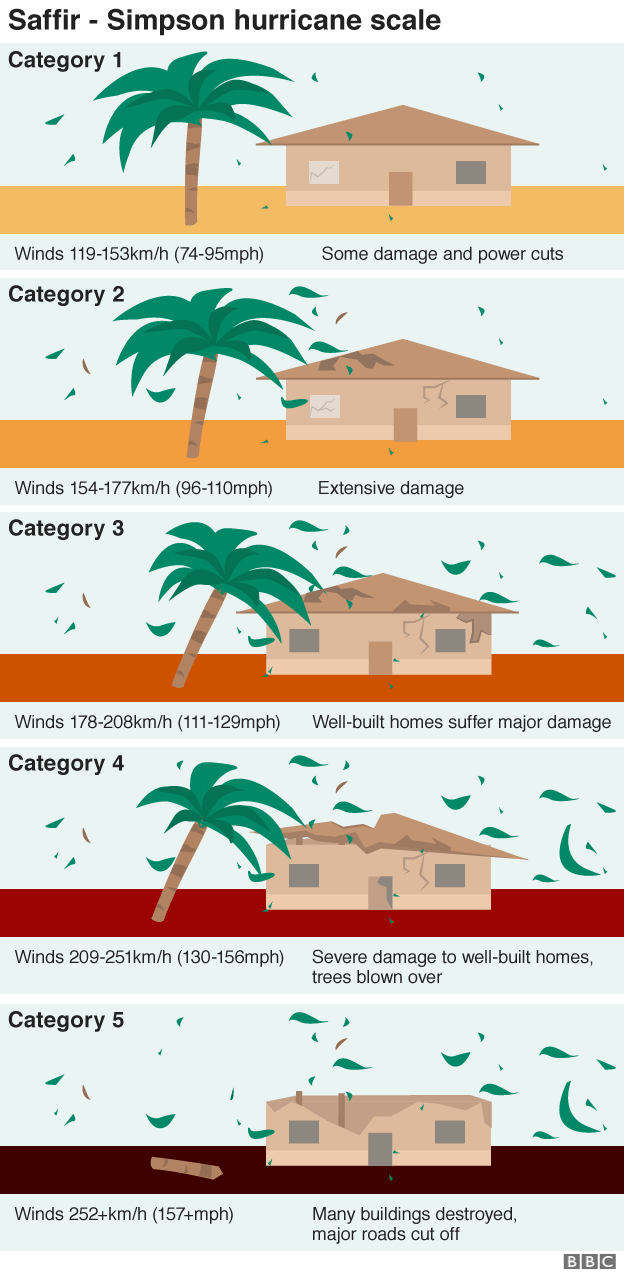
Boom! We’ve reached Hurricane status! This is when sustained winds hit 74 mph or higher. Buckle up, buttercup! Things are about to get wild. These are categorized using the Saffir-Simpson Hurricane Wind Scale. This scale ranges from Category 1 to Category 5, with each category representing increasing wind speeds and potential damage.
Each category has its own level of potential destruction.
Category 1: "A Little Windy, Maybe Lose a Shutter"
Category 1 hurricanes are the weakest, with winds between 74 and 95 mph. Expect some damage to trees, signs, and unsecured objects. Power outages are possible. It’s like a really bad thunderstorm with an ego.
Category 2: "Things Are Getting Interesting"
Winds between 96 and 110 mph. Moderate damage is likely. Expect roof and siding damage. Trees will definitely be coming down. Power outages are much more likely. Maybe time to break out the board games...and the emergency generator.
Category 3: "Major Hurricane Alert!"
Welcome to the "major hurricane" zone! Category 3 hurricanes have winds between 111 and 129 mph. Now we're talking significant damage. Expect structural damage to smaller residences and utility buildings. Expect flooding. This is when folks start thinking about evacuation...seriously.
Category 4: "Devastating Damage Imminent"
Category 4 hurricanes pack winds between 130 and 156 mph. Devastating damage is pretty much guaranteed. Expect widespread power outages lasting weeks or even months. Homes could be severely damaged, even destroyed. Evacuation is strongly recommended. This is not a drill!
Category 5: "The Big Kahuna"
The top of the hurricane heap! Category 5 hurricanes have winds of 157 mph or higher. Catastrophic damage is expected. Houses can be completely flattened. Storm surge can inundate entire communities. This is the stuff of nightmares. Evacuation is absolutely essential. You do NOT want to mess with a Category 5!
A quirky fact: The highest wind speed ever recorded in a hurricane was estimated at 190 mph during Hurricane Patricia in 2015. That’s like driving a race car... vertically.
Post-Tropical Cyclone: The Hangover Phase
Even hurricanes eventually run out of steam. When a hurricane moves over land or colder water, it weakens. It's reclassified as a Post-Tropical Cyclone. But don't be fooled! These storms can still bring heavy rain and strong winds. It's like the weather system is nursing a hangover, but it's still capable of causing trouble.
So there you have it! The life cycle of a hurricane, from a humble tropical disturbance to a raging Category 5 monster (and back again). Aren't you glad you know this now? Go impress your friends with your newfound weather knowledge. But most importantly, stay safe out there!