
What Are The Different Kinds Of Solar Panels
So, you're thinking about going solar? Good for you! You're basically a superhero saving the planet one sunny rooftop at a time. But hold on, before you imagine yourself soaring through the sky powered by photons, let's talk about solar panels.
Because spoiler alert: they're not all created equal. It's not just "slap on a panel and BAM, free energy forever!" There are different kinds, each with its own quirks and personality. Think of them like different breeds of puppies – some are energetic, some are chill, and some are just plain weird. Ready to meet the family?
The Big Three: Solar Panel Breeds
Okay, so maybe they're not actually breeds, but you get the idea. These are the most common types you'll encounter. Prepare yourself for a crash course in solar panel-ology.
Must Read
Monocrystalline: The Fancy Pants
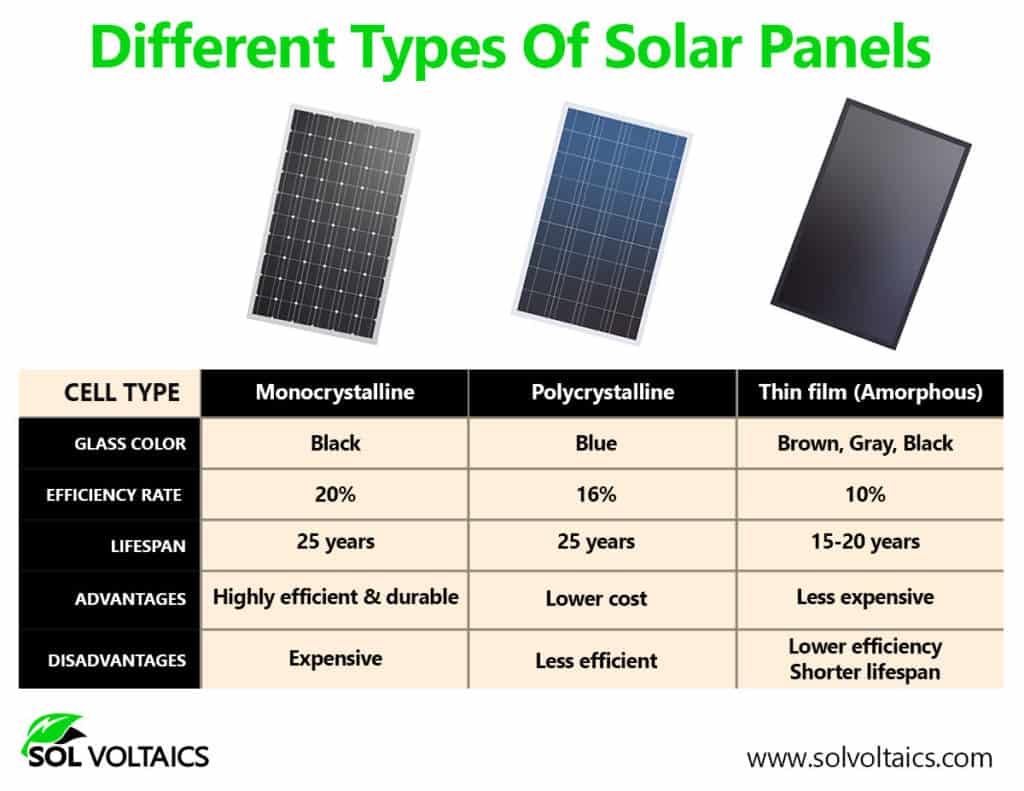
First up, we have the monocrystalline panels. Say that five times fast! These are the "premium" panels. Think of them as the purebreds of the solar world.
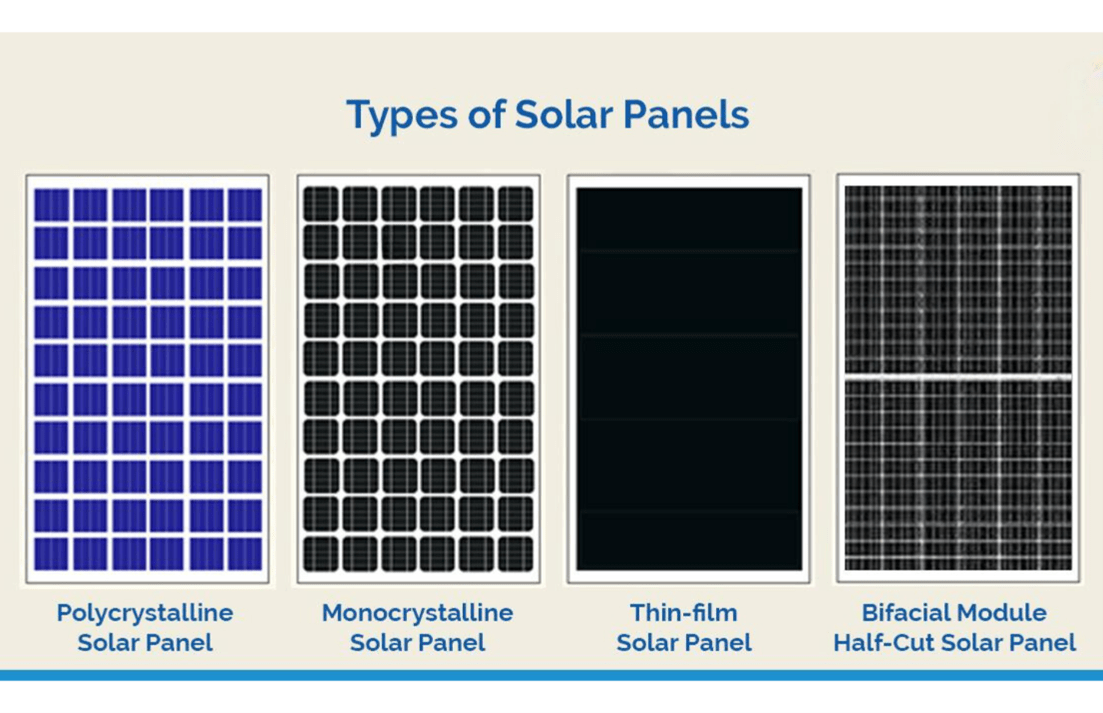
They're made from a single crystal of silicon, which is why they're so efficient. They’re usually recognizable by their sleek, black appearance. They're like the solar panel equivalent of a little black dress - always in style and always gets the job done.
But (and there's always a but), being fancy comes at a price. Monocrystalline panels are usually more expensive. Are they worth it? Depends. Do you need the absolute best? Maybe. Do you just want to save some money and brag to your neighbors? Then maybe not.
Polycrystalline: The Reliable Workhorse
Next, we have the polycrystalline panels. These are the dependable, blue-ish tinted workhorses of the solar industry. They're made from multiple silicon crystals melted together.
This process is cheaper than growing a single crystal, which makes polycrystalline panels more affordable. Think of them as the trusty pickup truck of the solar world. Not as flashy as the sports car (monocrystalline), but still gets you where you need to go.
They're slightly less efficient than their monocrystalline cousins, but unless you're squeezed for space, the cost savings often make them a great choice. My unpopular opinion? These are the sweet spot for most homeowners. Don't @ me.
Thin-Film: The Artsy Outsider
And finally, we have the thin-film panels. These are the quirky artists of the solar world. They’re made by depositing a thin layer of photovoltaic material onto a substrate like glass or plastic.
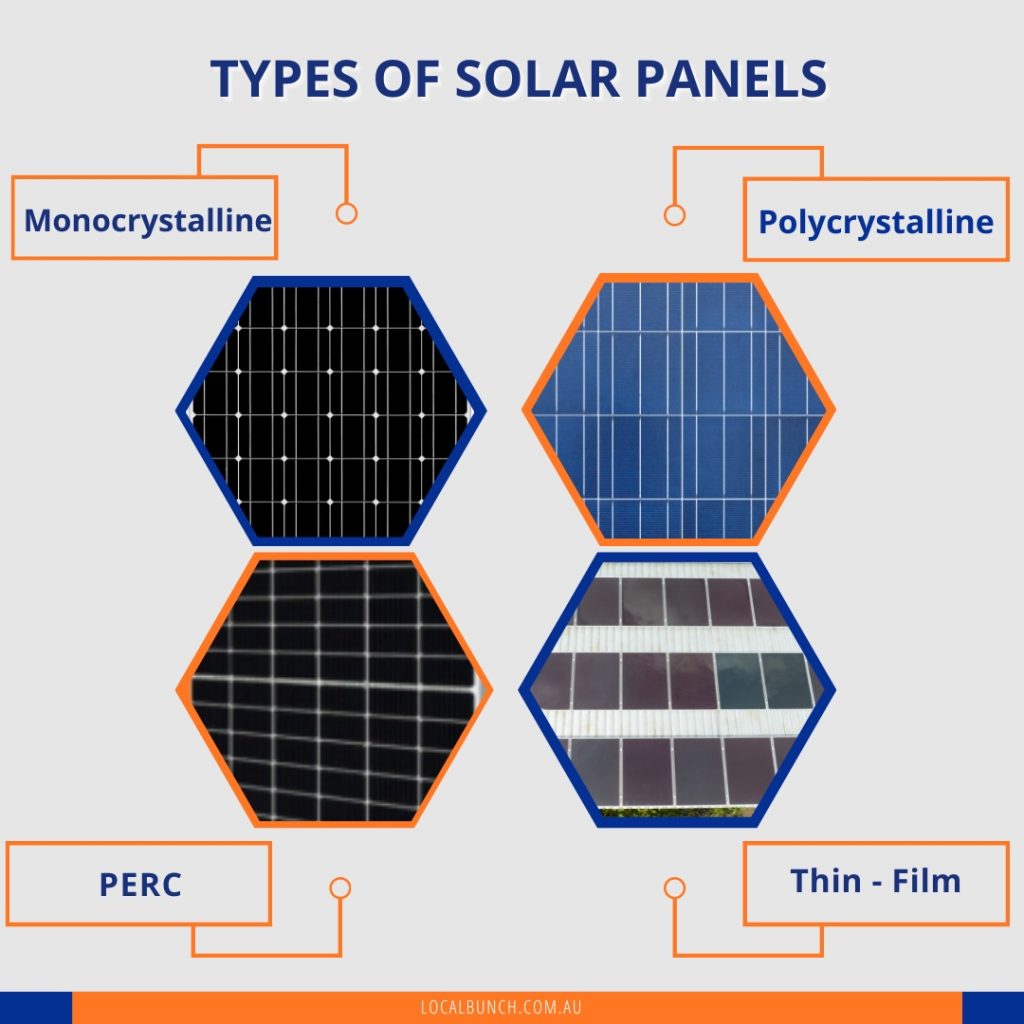
This makes them flexible and lightweight. They can even be integrated into building materials, like roof tiles or windows. Pretty cool, right?
But (yes, another but!), they're generally less efficient than the crystalline panels. They also degrade faster. Thin-film panels are often cheaper, though. My other unpopular opinion? Great for niche applications, not so great for your average rooftop.
Beyond the Big Three: A Glimpse into the Solar Panel Zoo
The solar panel world doesn't end with those three. There are other, more exotic types out there. Let's take a quick peek.
PERC: The Efficiency Booster
PERC (Passivated Emitter and Rear Cell) technology is more of an upgrade to existing panel types (usually monocrystalline) than a panel type itself. They have an extra layer on the back of the cell that helps reflect more light back into the silicon.

This, in turn, increases efficiency. Think of it as adding a turbocharger to your solar panel engine.
Bifacial: The Double-Sided Delight
Bifacial panels are designed to generate electricity from both sides. They soak up sunlight from the front and the back. That's right, they're solar panels that are extra greedy for sunshine!
This can increase their overall power output. They're best suited for installations where they can capture reflected light from the ground, like on flat roofs or ground-mounted systems. Imagine the bragging rights!
Concentrated PV (CPV): The Magnifying Glass Approach
Concentrated PV (CPV) systems use lenses or mirrors to focus sunlight onto small, highly efficient solar cells. It's like using a magnifying glass to start a fire, but instead of fire, you get electricity. Pretty neat, huh?

These systems are best suited for areas with high solar irradiance (lots of sunshine!). They require specialized tracking systems to follow the sun. They are more common in large-scale solar farms.
So, Which Solar Panel is Right for You?
That depends on your budget, your space, and your energy needs. Do your research! Talk to a reputable solar installer. Don't just listen to some random internet article (even though I’m obviously an expert, right?).
Consider the long-term costs and benefits. Think about the environment and your impact. You can consider aesthetics - do you prefer the sleek black of monocrystalline or the blue shimmer of polycrystalline?
And remember, going solar is a big decision. But it's also a rewarding one. You're not just saving money. You're saving the planet. You’re basically a solar superhero, after all! Now go forth and harness the power of the sun, you glorious, energy-efficient being!