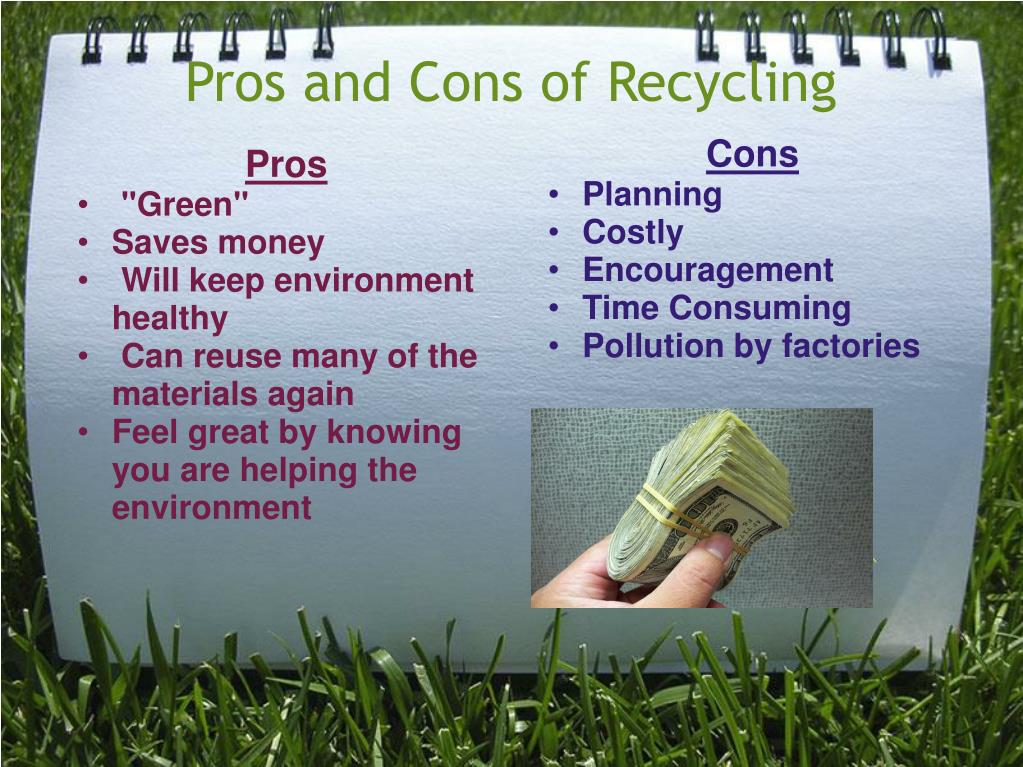
What Are The Cons Of Recycling
Ah, recycling. The ultimate good deed, right? The superhero of saving the planet, a beacon of environmental virtue. We've been told it's the answer, the solution, the only way forward. And yes, in theory, it’s a brilliant idea. But what if we put on our most comfortable, slightly rebellious slippers and dared to peek behind the eco-curtain? What if we playfully explored some of the less-talked-about, slightly inconvenient truths about this beloved green practice?
Let's just admit it, sometimes recycling feels like a bit of a… chore. A well-intentioned, planet-saving chore, yes, but a chore nonetheless. So, buckle up, dear reader, as we take a light-hearted look at the perhaps unpopular opinions on the flip side of the recycling coin. Prepare to nod, chuckle, and maybe even secretly agree.
The Great Sorting Saga: A Test of Wills
First up, the sheer mental gymnastics required. You stand there, a mystery item in your hand. Is it paper? Plastic? A tricky hybrid? You peer at the tiny number, squinting like a detective solving a complex case. Is it a #1 or a #2? Can a pizza box, once home to cheesy goodness, ever truly be clean enough for the paper pile? The rules change faster than fashion trends, leaving us all in a perpetual state of "Am I doing this right?"
Must Read
Then there’s the rinsing. Oh, the rinsing! Who enjoys scrubbing out a yogurt pot or a peanut butter jar, knowing full well it's destined for a bin? It feels like we're doing dishes twice. And what about that lingering smell from the forgotten milk carton? Our kitchens often become battlegrounds of half-washed containers, patiently waiting for collection day, silently judging our procrastination.
"Wish-Cycling": The Optimist's Downfall
We’ve all been there. You hold an item, unsure if it belongs. But because you're a good person, a conscientious citizen, you toss it into the recycling bin anyway. "Maybe," you think, "they'll figure it out." This, my friends, is wish-cycling. It's born of good intentions, a hopeful heart, but it can actually do more harm than good.
"The road to recycling hell is paved with good intentions and contaminated plastic bags."
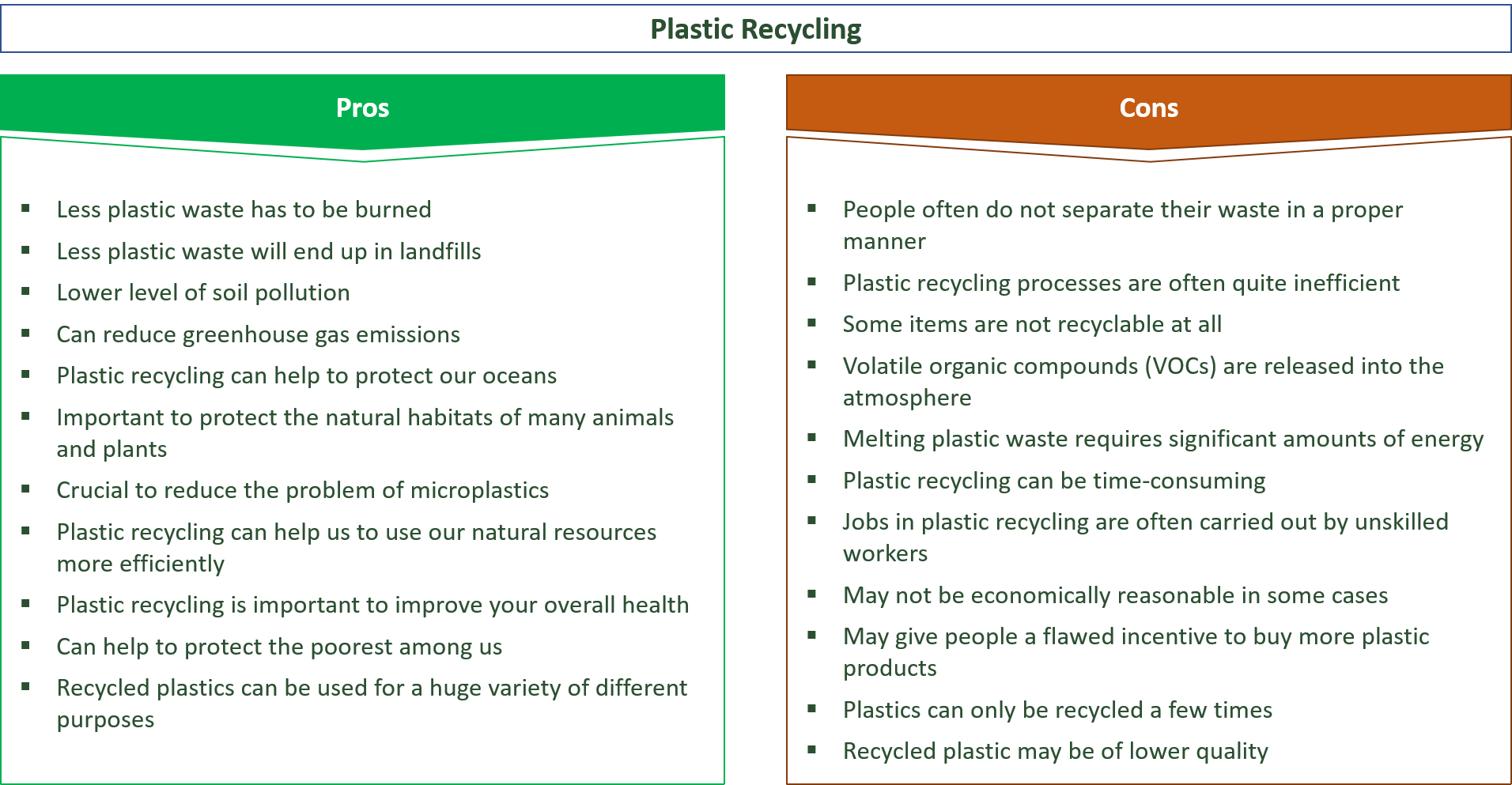
One rogue item, one plastic bag (which often jams machinery), can contaminate an entire batch of otherwise perfectly recyclable materials. All that careful sorting by others, all that rinsing, undone by a single act of hopeful ignorance. It’s like adding a single bad apple that spoils the whole barrel, but on an industrial scale. And who wants to be that apple?
The Energy Drain and the Long Haul
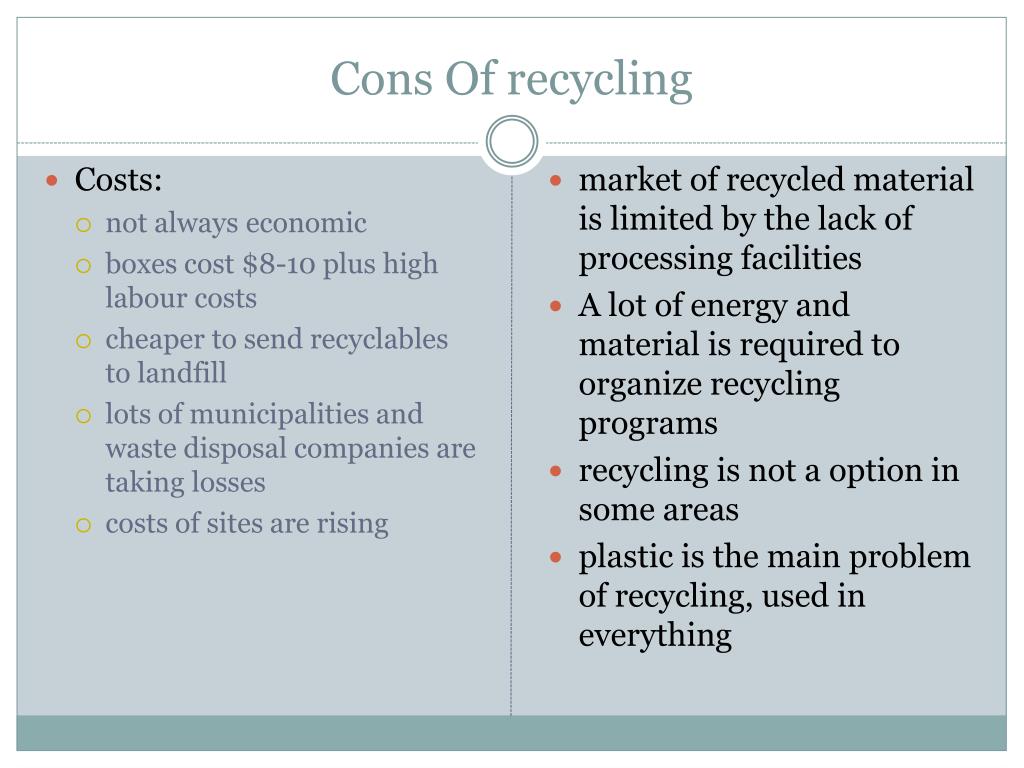
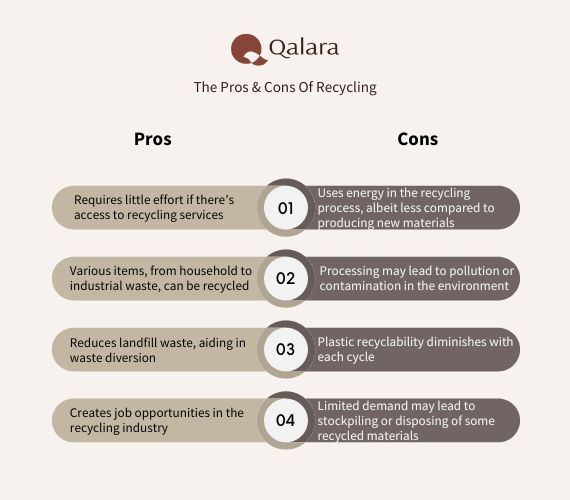
Think about it: those big, rumbling trucks that pick up our carefully sorted items. They run on fuel, right? Then those items travel to sorting facilities, often across vast distances. More fuel. More emissions. Then they go to reprocessing plants, where they're melted down, reshaped, or pulped. This isn't magic; it takes a lot of energy and resources to transform old into new-ish.
Sometimes, the energy expended in collecting, transporting, and processing recyclables can rival, or even exceed, the energy needed to simply create a new product from scratch. It’s a tricky equation, and not always the clean, straightforward win we imagine. We're paying for it too, through taxes and fees, supporting an infrastructure that isn't always as efficient as we hope.
The Home Takeover: Bins, Bins Everywhere!
Our homes, once sanctuaries, become staging grounds for refuse. One bin for general waste, another for plastics and cans, a third for paper and cardboard, perhaps even a smaller one for glass. They multiply, taking over precious kitchen space, lining our hallways, and sometimes even spilling into the garage. The aesthetic appeal of our living spaces often takes a backseat to the demands of our overflowing recycling system.
And let's not forget the "recycling day scramble." That frantic dash to get everything out to the curb before the truck arrives, often in pajamas and with bedhead. It’s a weekly ritual that feels less like saving the world and more like a competitive sport we rarely win gracefully. Our recycling bins often become symbols of domestic chaos rather than environmental triumph.

The Feel-Good Fallacy: A False Sense of Accomplishment?
Recycling makes us feel good. It gives us that warm, fuzzy feeling of doing our part. But does it sometimes give us a false sense of accomplishment? We dutifully sort our plastic bottles, and then perhaps feel less guilty about buying that extra gadget or packaged snack. It can inadvertently distract us from the bigger picture: the importance of reducing consumption in the first place.
If we're constantly buying new things, even if we recycle the old ones, are we truly making a significant dent? Maybe the real superpower isn't in recycling more, but in buying less, reusing more, and thinking critically about what we bring into our lives. Recycling is a noble effort, but perhaps it’s time to recognize its limits and focus our energy on upstream solutions too.
So, there you have it: a playful, slightly rebellious peek at the cons of recycling. It’s not about ditching the bins entirely, but about having an honest, even humorous, conversation. Maybe, just maybe, recognizing these little inconveniences and inefficiencies can help us become even smarter, more effective stewards of our planet. And perhaps, it gives us permission to occasionally grumble about that overflowing paper bin without feeling like a bad person. Just remember to smile when you do it!