
What Are The Cons Of Biomass
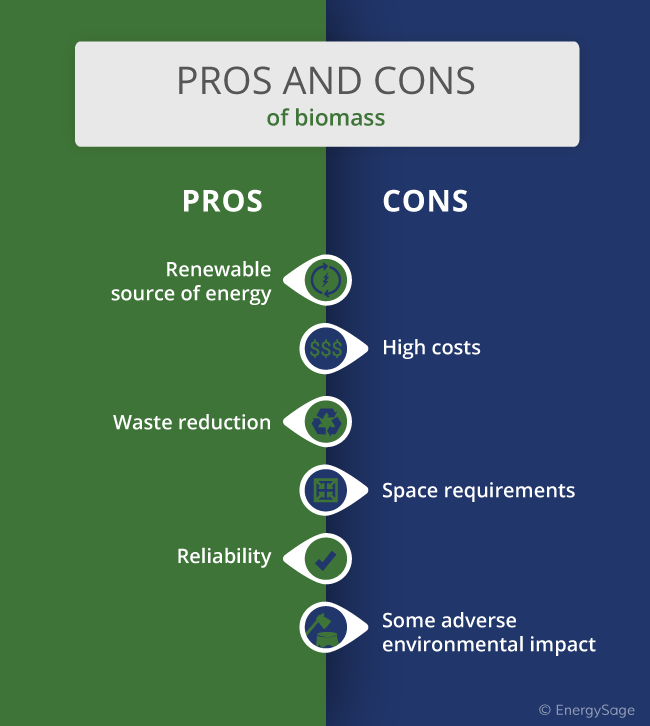
Hey there, energy explorer! We often hear about "biomass" and how it's this fantastic, renewable energy source, like the cool kid at the energy party. And don't get me wrong, there are some definite perks to using organic matter for power. But, just like how even the most charming friend might secretly hog all the popcorn during movie night, biomass also has a few... well, let's call them "quirks." Or, to be more official, some cons we should chat about!
Think of this as a friendly heads-up from one curious human to another. Let's peel back the layers of this leafy energy source and see what shadows might be lurking.
It's Not Always as "Carbon Neutral" as It Sounds
Okay, so the big selling point for biomass is often, "It's carbon neutral! The CO2 released when we burn it is just what the plant absorbed during its life, so it's a wash!" Sounds great on paper, right? Like getting a free pass on your carbon footprint. But here's the catch:
Must Read
When you burn wood or other biomass, it releases carbon dioxide instantly into the atmosphere. The trees you just cut down took decades to grow and absorb that carbon. If you're cutting forests faster than they can regrow, you're creating what's called a carbon debt. It's like maxing out your credit card and saying, "Don't worry, I'll pay it back... eventually!" The planet needs that carbon out of the atmosphere now, not in 50 years. So, the claim of instant neutrality is often a bit of a stretch, especially with large-scale operations.
Plus, burning biomass can sometimes release more CO2 per unit of energy than burning fossil fuels, especially coal, for the same energy output. Mind. Blown.
Uh Oh, Land Use Woes!
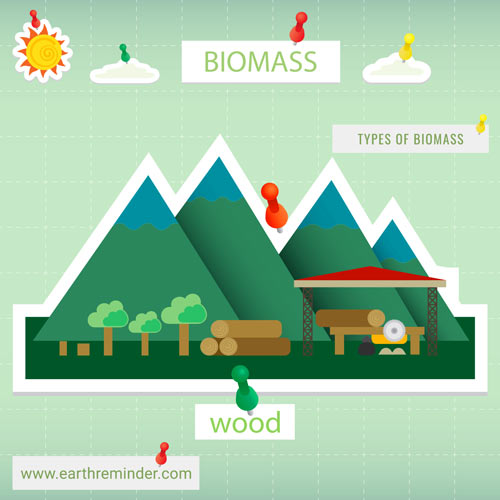
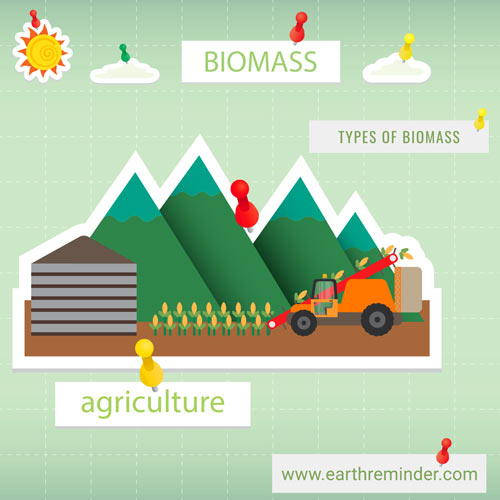
Imagine trying to power your entire neighborhood with wood chips. Suddenly, your local park isn't just for frisbee; it's a potential fuel farm! This brings us to the sticky issue of land use. To grow enough biomass to make a significant dent in our energy needs, we'd need a lot of land.
This can lead to some awkward questions: Are we going to convert valuable agricultural land (where we grow food, you know, for eating!) into energy crops? What about forests? Are we going to start deforesting natural habitats, home to countless critters and plants, just to feed our power plants? That hardly sounds "green," does it? It's like solving one problem by accidentally creating three more. Oops.
Hello, Air Pollution (Beyond CO2)!
While we're talking about what goes up in smoke, let's not forget about other less-than-pleasant emissions. Burning biomass, especially wood, can release a cocktail of other air pollutants. We're talking about things like particulate matter (tiny airborne particles that can get into your lungs and cause respiratory issues), nitrogen oxides (which contribute to smog), and volatile organic compounds.
So, even if the carbon equation was perfectly balanced (which, as we discussed, it often isn't), these other pollutants can still pose serious health risks for communities near biomass power plants. It's like having a "low-fat" snack that's still packed with sugar. Not exactly a win-win for your well-being!
The Energy-Intensive Journey
Getting biomass from "plant" to "power plant" isn't exactly a magical teleportation act. There's a whole journey involved, and every step requires energy – which, ironically, often comes from fossil fuels.
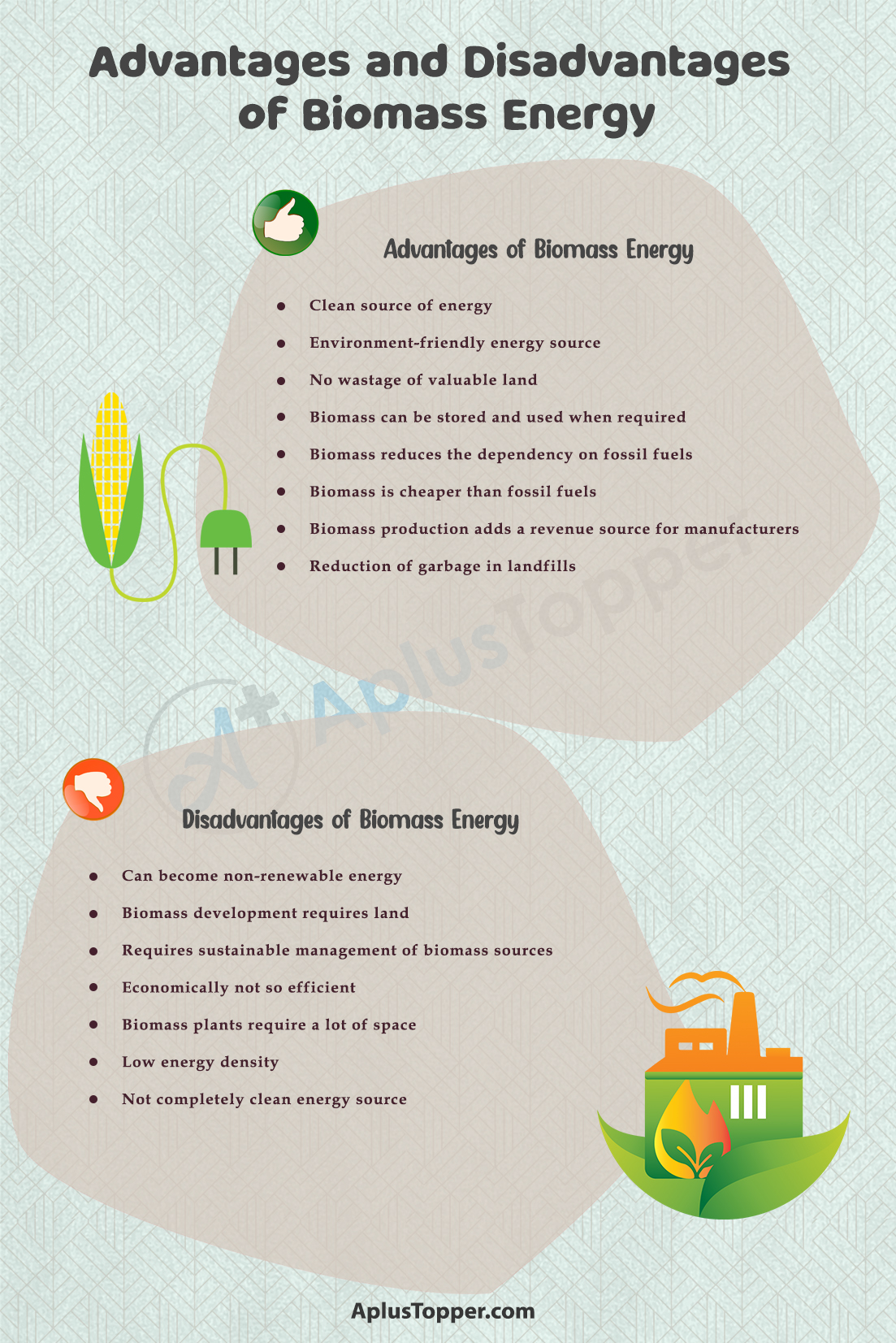
Think about it: You need tractors to plant and harvest the crops, trucks to transport them (sometimes hundreds of miles!), processing plants to turn them into usable fuel, and then more energy to actually burn them efficiently. All this growing, chopping, shipping, and processing adds up, creating a significant carbon footprint before the biomass even hits the furnace. It's like trying to get fit by driving to the gym and then taking the escalator to the treadmill. A bit counterproductive, wouldn't you say?
Sustainability Scares: Can We Grow It Fast Enough?
The "renewable" aspect of biomass relies on the idea that we can grow new biomass as quickly as we burn it. But what if we can't? What if demand outstrips supply, especially for things like old-growth forests that take centuries to mature?
Relying too heavily on biomass, particularly from sources that aren't truly sustainable (like clear-cutting forests), can quickly turn a renewable resource into a non-renewable one. It's like trying to empty a bathtub with a teaspoon while the tap is still running full blast. You're just not going to keep up!
The Price Tag Isn't Always Pretty
Setting up biomass power plants can be quite expensive, both in terms of initial investment and ongoing operational costs. From specialized equipment for handling and burning different types of biomass to maintaining the supply chain, the financial commitment can be substantial. This means that while it's a "green" option, it might not always be the most cost-effective one, especially compared to other rapidly developing renewable technologies like solar and wind.
So, there you have it! A little peek behind the leafy curtain of biomass energy. It's not all sunshine and rainbows, but that's okay! Understanding these nuances helps us make smarter choices about our energy future.
Don't let this turn you into a Grinch about green energy, though! Every energy source has its pros and cons, and the important thing is that we're talking about them, learning, and constantly innovating. The good news is, we're a clever bunch, us humans. We're always finding new and better ways to power our world, and with a bit of thought and a lot of ingenuity, we'll certainly find paths that are genuinely sustainable, kind to our planet, and leave everyone smiling. Keep exploring!