What Are The Characteristics Of Stable Air

Ever felt like the atmosphere is just…chill? No sudden gusts of wind whipping your perfectly coiffed hair into a frenzy? No dramatic thunderstorm brewing on the horizon? Chances are, you're experiencing stable air. But what exactly is stable air, and why should you care?
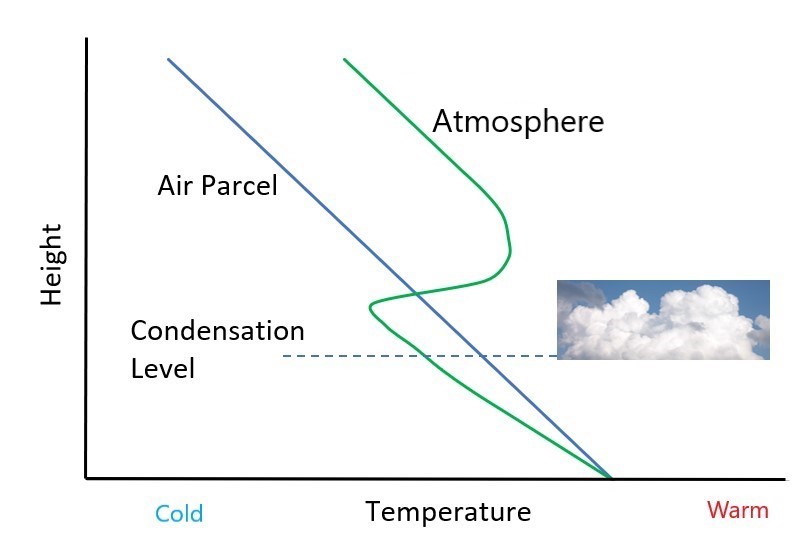
Think of the atmosphere like a multi-layered cake. In stable air, the temperature increases with altitude, or remains the same. This is called a temperature inversion. Warm air above cooler air prevents the cooler air from rising, creating a lid on atmospheric activity. It's like the atmosphere is saying, "Everything stays put, thank you very much."
Characteristics of Calm: A Stable Air Rundown
So, how can you tell if you're basking in the glory of stable air? Here are a few telltale signs:
Must Read
- Smooth Airflow: This is perhaps the most obvious indicator. Forget turbulent flights that make you clutch your armrests. Stable air means a smooth ride, whether you're flying across continents or simply taking a stroll through the park. Think of it like gliding on a lake – effortless and serene.
- Poor Vertical Mixing: Remember playing with those lava lamps as a kid? The blobs rise and fall because of heat convection. Stable air hinders this mixing process. Pollutants, dust, and smoke get trapped near the surface, potentially leading to hazy conditions or even smog.
- Stratiform Clouds: These are flat, layered clouds that spread horizontally across the sky. Think of them as a thin, even blanket overhead. They’re the antithesis of those puffy, cotton-ball cumulus clouds that signal instability. Picture a Rothko painting versus a whimsical Matisse.
- Reduced Visibility: While not always the case, stable air can sometimes reduce visibility, especially near the ground, due to the trapped pollutants and moisture. Imagine driving on a foggy morning – that's often associated with stable atmospheric conditions.
- Little or No Vertical Development of Clouds: Remember, stable air prevents air from rising. So, you won’t see towering thunderstorms forming. It’s all about maintaining the status quo.
Stable Air: Practical Tips and Fun Facts
Knowing about stable air isn’t just academic; it has practical implications. For example, pilots rely on weather forecasts that indicate stable conditions for safer and more comfortable flights. Farmers also benefit, as stable air can reduce the risk of severe weather events that could damage crops.
Fun Fact: Did you know that temperature inversions, a key characteristic of stable air, are sometimes used in wine-growing regions? The cool air trapped near the ground can help preserve the acidity in grapes, resulting in better wines. Cheers to stable air!

Practical Tip: If you live in an area prone to air pollution, check air quality reports when stable air is predicted. You might want to limit outdoor activities, especially if you have respiratory issues. Think of it as preemptively protecting yourself from the atmospheric equivalent of a grumpy houseguest.
Cultural Connections
Stable air, with its often-clear skies, has inspired artists and poets for centuries. Think of serene landscapes painted during periods of atmospheric stability – a tranquil reflection of the world around us. There's a reason why "calm before the storm" is a cliché; it highlights the profound impact of atmospheric conditions on our perceptions of peace and tranquility.

From a literary perspective, stable air could be seen as a metaphor for predictability and order. It can represent periods of peace and quiet in our lives, a welcome respite from the chaos and uncertainty that often surrounds us.
Reflecting on Stability
Ultimately, understanding stable air allows us to appreciate the intricate workings of our atmosphere. It's a reminder that even seemingly simple concepts have far-reaching consequences, impacting everything from our daily routines to the global economy. Just like the atmosphere, our lives are constantly shifting between periods of stability and instability. Embracing the calm moments, understanding their characteristics, and preparing for the inevitable changes can help us navigate the complexities of life with greater resilience and appreciation. So, the next time you feel a sense of calm in the air, take a moment to appreciate the stability around you – and maybe pour yourself a glass of wine.