What Are The Benefits Of Non Renewable Energy
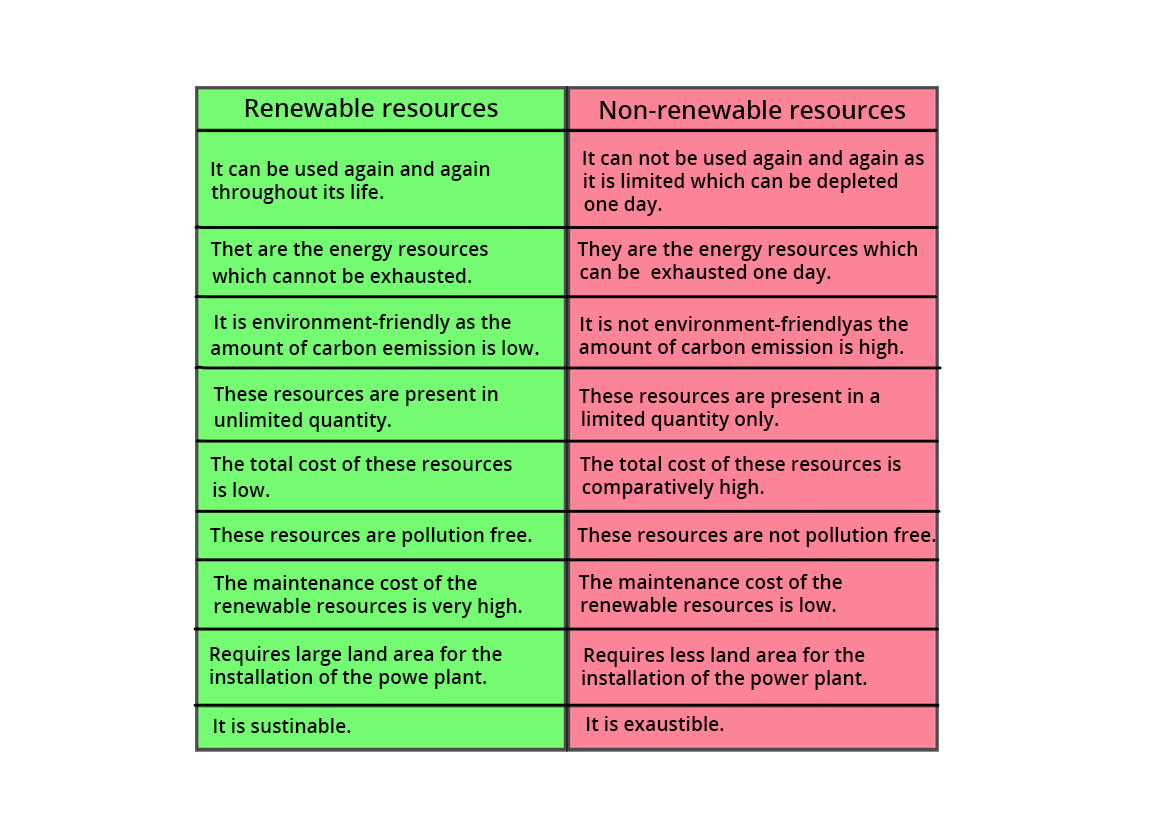
Hey there, energy enthusiasts! Ever wonder why we still chat about non-renewable energy sources? I mean, with all the buzz around solar panels and wind turbines, it’s easy to think of fossil fuels as old news. But hold on a sec! There’s more to the story than meets the eye. Let’s dive into the world of non-renewable energy and explore why it's stuck around, even with all its… ahem… baggage.
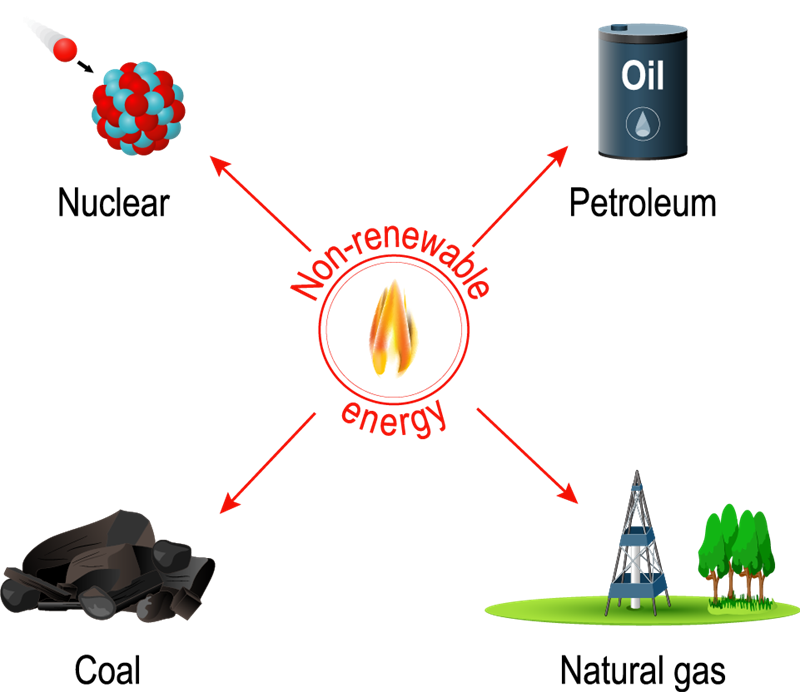
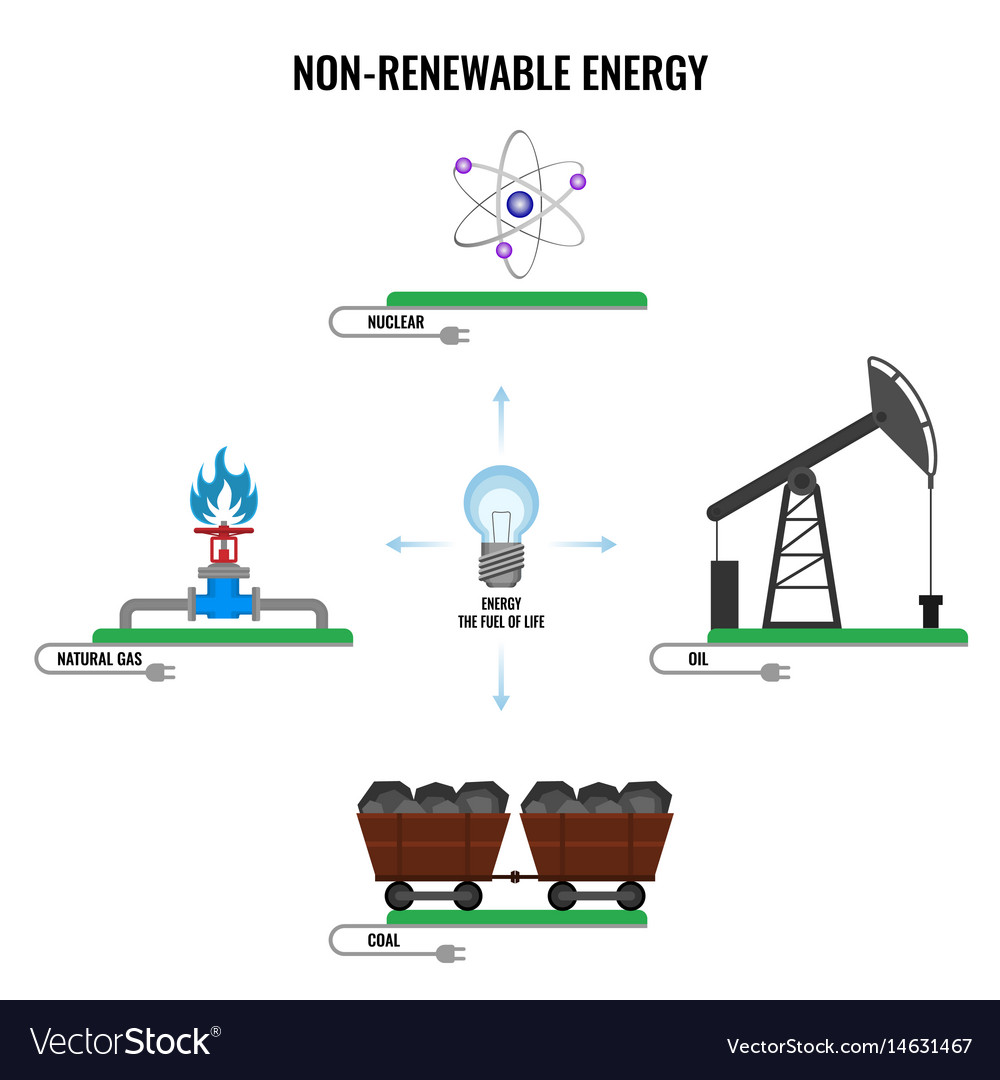
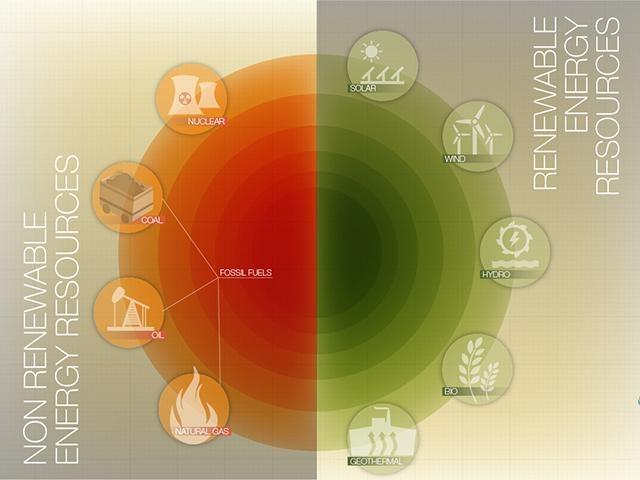
Okay, so first things first, what exactly are we talking about? Non-renewable energy is basically energy that comes from sources that, well, can’t be easily replenished. Think coal, oil, natural gas, and even nuclear energy. They’re like that limited-edition vinyl record you treasure – once they're gone, they're (pretty much) gone!
The Unsung Heroes (Kinda)
Now, before you start picturing me as a pro-fossil fuel lobbyist (I'm not, I promise!), let's acknowledge that non-renewable energy sources have played a huge role in shaping the world we live in. Why? Because for a long, long time, they were the most readily available and efficient way to power our homes, factories, and vehicles. It’s kind of like how your trusty old gas-guzzling car got you across the country, even if you knew an electric car was ultimately better for the environment.
Must Read
Think about the Industrial Revolution! That whole shebang was pretty much fueled by coal. It allowed us to mass-produce goods, invent incredible technologies, and basically kickstart the modern era. Could we have done it without coal? Maybe. But it sure was a lot easier with it. So, in that sense, non-renewable energy has been a critical stepping stone in human progress.
Energy Density: The Real MVP?
One of the coolest, and often overlooked, advantages of non-renewable energy is its energy density. What’s that, you ask? Simply put, it’s the amount of energy packed into a given volume or weight of a fuel. Fossil fuels, in particular, are like energy-dense chocolate bars. You get a lot of power from a relatively small amount.

Compare that to, say, solar power. To get the same amount of energy from the sun, you need a lot of solar panels spread over a large area. It’s like trying to get your sugar fix from a handful of grapes instead of that satisfying chocolate bar. Both have their merits, but sometimes you just need that concentrated burst of energy!
Infrastructure and Reliability: The Comfort Zone
Another reason why non-renewable energy has stuck around? We've built an enormous infrastructure around it. Think about all the power plants, pipelines, refineries, and gas stations that exist today. It's a massive network, developed over decades, and switching to a completely new system overnight is, well, really complicated and expensive.
It’s like trying to completely renovate your house while still living in it. Possible? Yes. Easy? Absolutely not! Non-renewable energy sources are also often seen as more reliable. We know how to extract them, process them, and burn them to generate electricity, even when the sun isn't shining or the wind isn't blowing. They are the dependable workhorse that's always there, ready to go. So, while renewable energy is getting more and more reliable, non-renewables still have that established reputation for consistent power.
Economic Factors: The Cold, Hard Truth
Let's not forget about the economic side of things. The non-renewable energy industry is a huge employer, providing jobs for millions of people around the world. It also generates significant tax revenue for governments. Switching to a completely renewable energy system could have major economic consequences, at least in the short term.
Think about it like switching careers. You might be passionate about becoming a wildlife photographer, but if you're currently a high-powered lawyer, you need to consider the financial implications of making such a drastic change. It doesn't mean you shouldn't pursue your dreams, but you need to do it smartly and strategically.
The Future: A Shifting Landscape
So, where does this leave us? Well, the reality is that non-renewable energy isn't going away anytime soon. However, its role is definitely changing. As renewable energy technologies become more efficient and affordable, and as concerns about climate change continue to grow, we’re seeing a gradual shift towards a more sustainable energy mix.
It’s not about completely abandoning non-renewable energy overnight, but rather about finding a balance and transitioning towards a future where clean, renewable energy sources play a much larger role. It’s a marathon, not a sprint, and we’re all in this race together. So, the next time you flip a light switch, take a moment to appreciate the complex history and evolving future of the energy that powers our world. And maybe, just maybe, consider getting some solar panels. 😉