
What Are The Benefits Of Hydraulic Fracturing
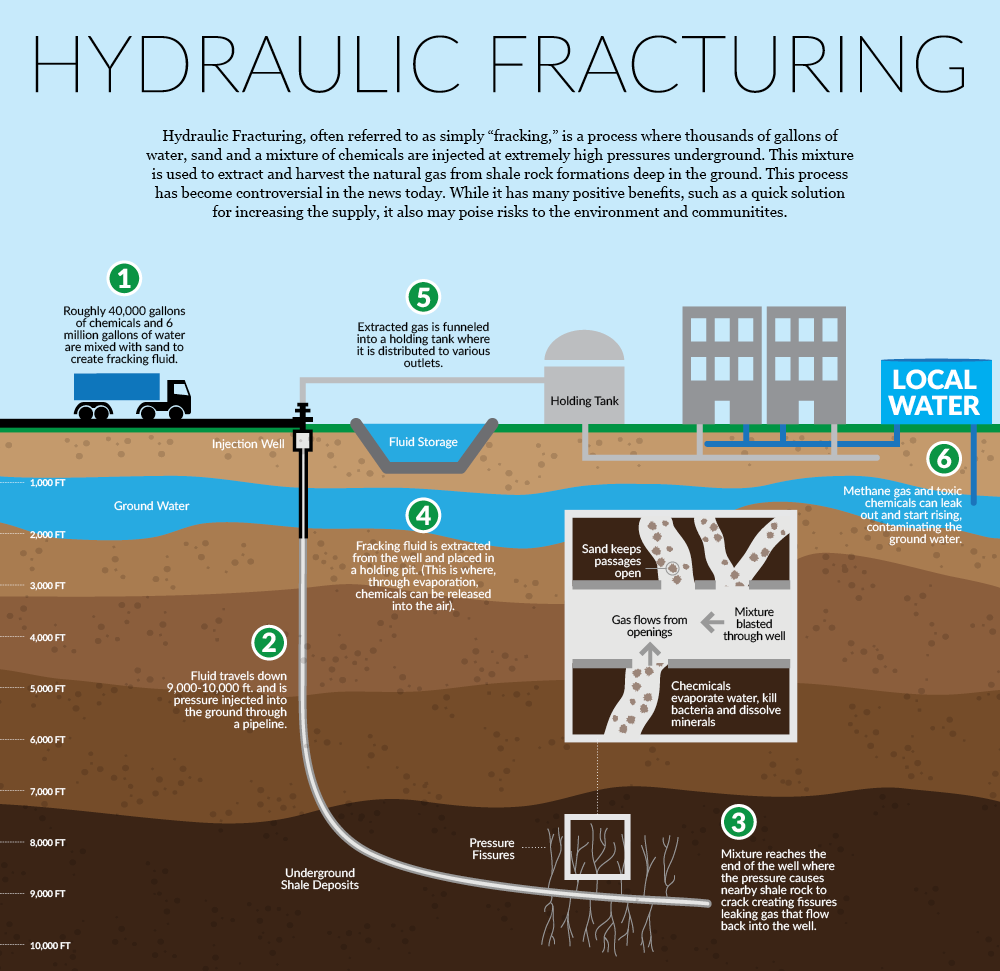
Ever wonder how we keep the lights on, our cars running, and our homes warm? Well, a surprising part of the answer might be lurking deep underground, unlocked by something called hydraulic fracturing, or fracking for short.
Fracking: It's Not Just About Energy (Okay, Mostly It Is)
Let's be honest, when you hear "fracking," images of complex machinery and environmental debates probably pop into your head. But behind the headlines, there's a story of boosting local economies, making energy more accessible, and, surprisingly, even making some folks a little richer. Okay, a lot richer.
Fueling Our Lives, Literally
The most obvious benefit is that fracking helps us extract oil and natural gas from shale rock formations that were previously too difficult to reach. Think of it like this: imagine trying to get honey out of a really, really hard honeycomb. Fracking is like giving that honeycomb a gentle squeeze, making the honey flow more freely. These resources then power our homes, fuel our cars, and keep our industries humming.
Must Read
This increased domestic production can help reduce our reliance on foreign energy sources. That's a win for national security and a win for keeping more jobs at home.
More affordable energy can lead to lower prices for consumers and businesses. Lower energy costs mean more money in your pocket, which means more money for that vacation you've been dreaming of.
Boomtowns and Beyond: Economic Fireworks
When fracking moves into a region, it's like setting off economic fireworks. Suddenly, there's a surge in jobs for geologists, engineers, truck drivers, construction workers, and even restaurant owners. Think of the small towns transformed! These towns get a jolt of energy with new businesses opening up, and existing ones expanding.
Landowners who lease their property to energy companies can also see a significant increase in their income. Some farmers find themselves suddenly wealthy, allowing them to invest in their farms or pursue other dreams. It's like striking black gold, but instead of panning for it, you're sitting on it!
It's not just direct jobs either. The economic activity creates a ripple effect, benefiting local businesses and communities in countless ways. Imagine the hardware stores selling more tools, the grocery stores selling more food, and the schools getting more funding.

Innovation: The Unsung Hero of Fracking
The development of fracking technology has spurred a wave of innovation in the energy industry. Engineers are constantly finding new and better ways to extract resources, while also working to minimize environmental impact.
This push for innovation extends beyond just fracking itself, leading to advancements in other areas of energy production and conservation. It's like a domino effect of clever ideas and problem-solving.
The quest for efficiency and sustainability in fracking operations drives companies to invest in cleaner technologies and practices. This investment could ultimately contribute to a more environmentally friendly energy future.
Natural Gas: A Cleaner Bridge to the Future?
While no energy source is perfect, natural gas, which is often extracted through fracking, burns cleaner than coal. It emits less carbon dioxide and other pollutants, making it a potentially valuable "bridge fuel" as we transition to renewable energy sources.
Think of it as a stepping stone: we can use natural gas to reduce emissions now, while we continue to develop and deploy renewable energy technologies. It's not a perfect solution, but it's a move in the right direction.

Natural gas can be used to power vehicles, reducing our reliance on gasoline and diesel. This could lead to cleaner air in our cities and a smaller carbon footprint for our transportation system.
Addressing the Concerns (Because They're Real)
Now, let's be real: fracking isn't without its concerns. There are valid questions about water usage, potential for groundwater contamination, and induced seismicity (earthquakes). These are important issues that deserve serious attention and responsible regulation.
But the good news is that the industry and regulators are constantly working to address these concerns and improve safety and environmental performance. They are developing new technologies and implementing stricter regulations to minimize the risks associated with fracking.
Transparency is key. Openly sharing data, conducting independent research, and engaging in constructive dialogue can help build trust and ensure that fracking is done responsibly.
Regulations: The Watchdogs of Fracking
Regulations play a crucial role in ensuring that fracking operations are conducted safely and responsibly. These regulations cover everything from well construction and wastewater disposal to air quality monitoring and seismic activity management.
States with strong regulatory frameworks have generally experienced fewer environmental problems associated with fracking. This highlights the importance of effective oversight and enforcement.

Regulations are constantly evolving as scientists and engineers learn more about the potential impacts of fracking. This adaptive approach helps ensure that regulations remain effective in protecting the environment and public health.
Water: Precious and Protected
Water is a precious resource, and it's understandable that people are concerned about its use in fracking. However, the industry is developing new technologies to reduce water consumption and recycle wastewater.
Some companies are using alternative fluids, such as recycled water or even carbon dioxide, in place of fresh water. These innovations can significantly reduce the demand for fresh water in fracking operations.
Proper wastewater disposal is also crucial to protecting water resources. The industry is implementing strict regulations to prevent wastewater spills and ensure that wastewater is treated and disposed of safely.
Earthquakes: A Shaky Subject
The link between fracking and induced seismicity is a real concern, but it's important to understand that not all fracking operations cause earthquakes. Induced seismicity is typically associated with the disposal of wastewater into deep injection wells.
Scientists are studying the causes of induced seismicity and developing methods to predict and mitigate the risk. This research is helping regulators to make informed decisions about wastewater disposal and seismic activity management.
Some states have implemented regulations that require companies to monitor seismic activity and suspend operations if earthquakes are detected. These regulations are helping to protect communities from the potential impacts of induced seismicity.
Fracking: A Balancing Act
Ultimately, fracking is a complex issue with both benefits and risks. Finding the right balance between energy production, economic development, and environmental protection is essential. When done responsibly, fracking can play a role in meeting our energy needs while also creating jobs and boosting local economies.
It's a conversation that needs to involve everyone – energy companies, regulators, scientists, communities, and consumers. By working together, we can ensure that fracking is done safely and sustainably.
So, the next time you flip a light switch, remember the journey that electricity took to get there. Fracking might be a part of that story, and hopefully, a story that's getting better and better all the time.
Perhaps it is just like making lemonade. You need to find the right balance of lemons (risks), water (regulations), and sugar (benefits) to make a tasty and refreshing drink! We can all work together to create the best recipe.