
What Are The Balls On Electric Lines
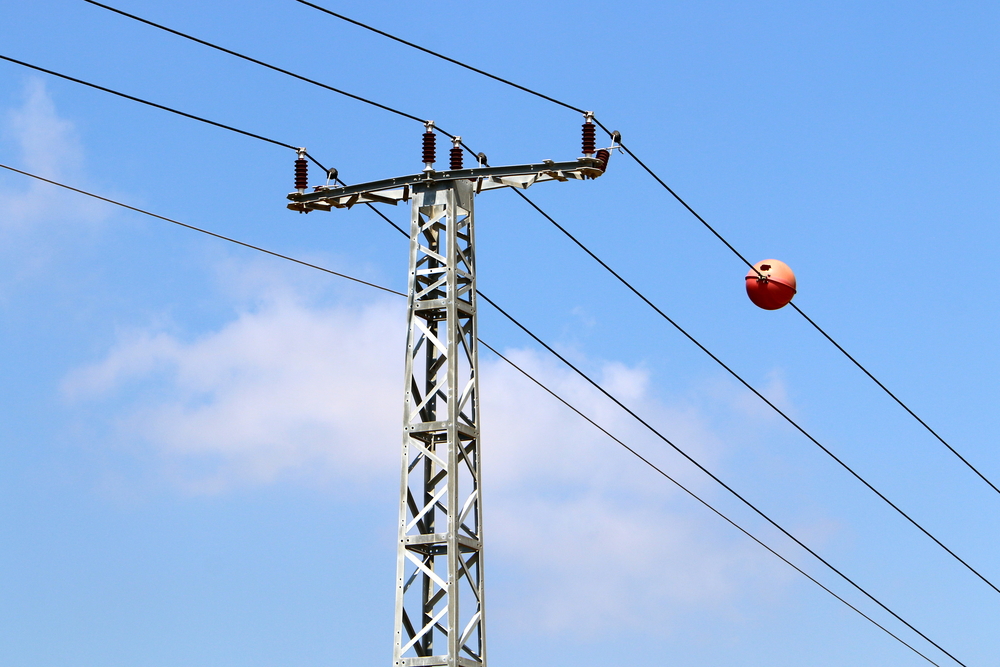
Alright, settle in, grab your imaginary coffee (or real one, no judgment here), because we're about to demystify one of those things you've probably seen a million times but never really thought about. You know, those... well, those balls on electric lines.
Yeah, you heard me. The ones that look like a giant strung-up game of bocce, or perhaps the power grid's attempt at avant-garde jewelry. For years, I secretly wondered if they were massive bird deterrents, or maybe tiny, secret surveillance cameras for the power company to check if I'm really recycling. Turns out, I was hilariously, spectacularly wrong. And you probably were too.
The Great Orb Mystery: Solved!
So, what are these enigmatic little spheres, usually clutched to the power lines like a desperate koala to a eucalyptus branch? Well, prepare yourself, because their official name is a bit of a mouthful: they're called vibration dampers. Or, if you want to get fancy, Stockbridge dampers. Sounds less like a crucial piece of electrical infrastructure and more like a quaint English village where everyone's really good at crochet, doesn't it?
Must Read
But don't let the unassuming name fool you. These guys are the unsung heroes of our electrical grid, working tirelessly to keep your Netflix binging uninterrupted and your fridge humming. They're basically the bouncers of the high-voltage world, making sure everything stays chill.
Why Does a Power Line Need Balls?
This is where it gets surprisingly dramatic. Imagine a really long, really taut guitar string. Now imagine a constant, invisible force gently plucking at it, over and over again, for decades. That, my friends, is essentially what the wind does to power lines.
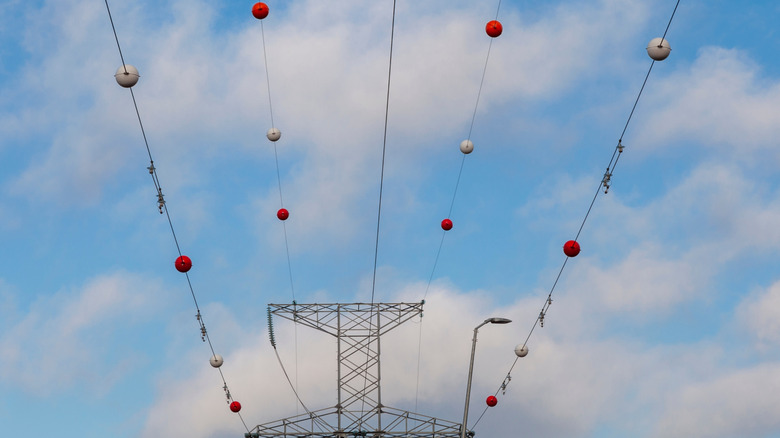
We're talking about something called aeolian vibration (fancy talk for "wind-induced wobbles"). Even a light breeze can cause these lines to oscillate – to bounce up and down, vibrate, and generally get a bit too excited. Now, a little wobble might seem harmless, right? Like a happy jig. But these aren't just any wires; they're carrying serious juice, and they're under immense tension.
Over time, these seemingly innocuous vibrations can lead to some seriously bad news. They can cause the metal of the line to fatigue, fray, and eventually, like a worn-out shoelace, snap entirely. And when a power line snaps, it's not just a minor inconvenience; it's a massive outage, potential safety hazards, and a whole lot of expensive repair work. Think millions of dollars, folks, just because of a breezy afternoon.
How Do They Work Their Magic?
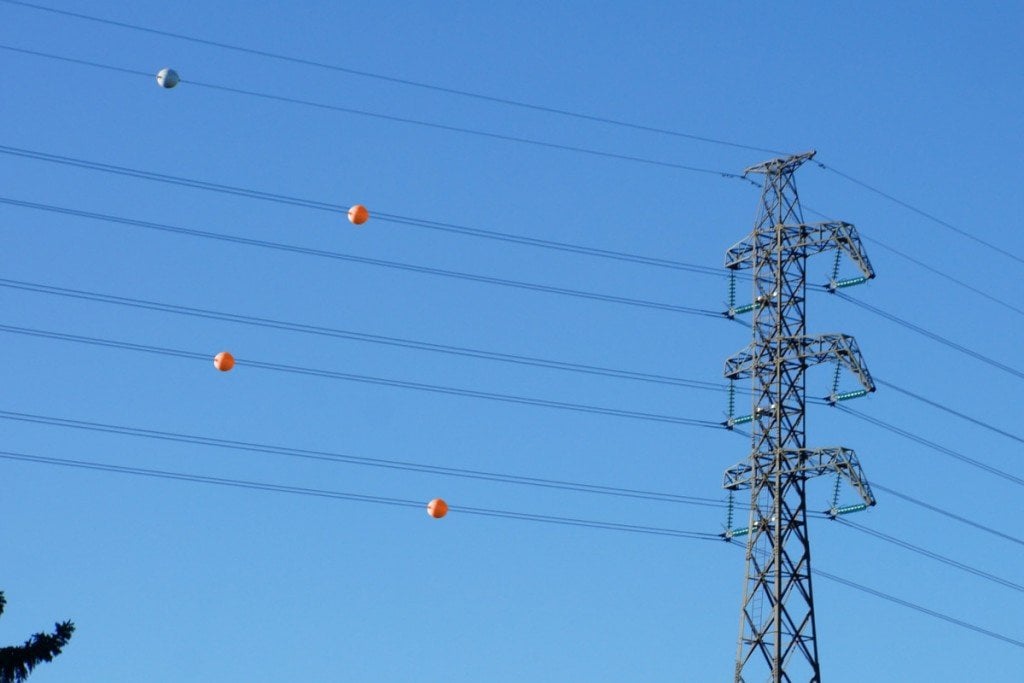
This is where the genius of the vibration damper comes in. These aren't just random weights; they're cleverly engineered contraptions. Most commonly, they look like a short, thick dumbbell, with two heavy weights (the "balls" or "bobs") attached to the ends of a flexible steel messenger cable.
When the power line starts to vibrate, the damper, thanks to its specific design and the laws of physics, begins to vibrate out of sync with the line. It's like a tiny, metallic ninja performing a perfectly timed counter-attack. The energy from the line's vibration is then transferred into the damper, where it's essentially dissipated and absorbed by the flexible cable and the weights jostling around.
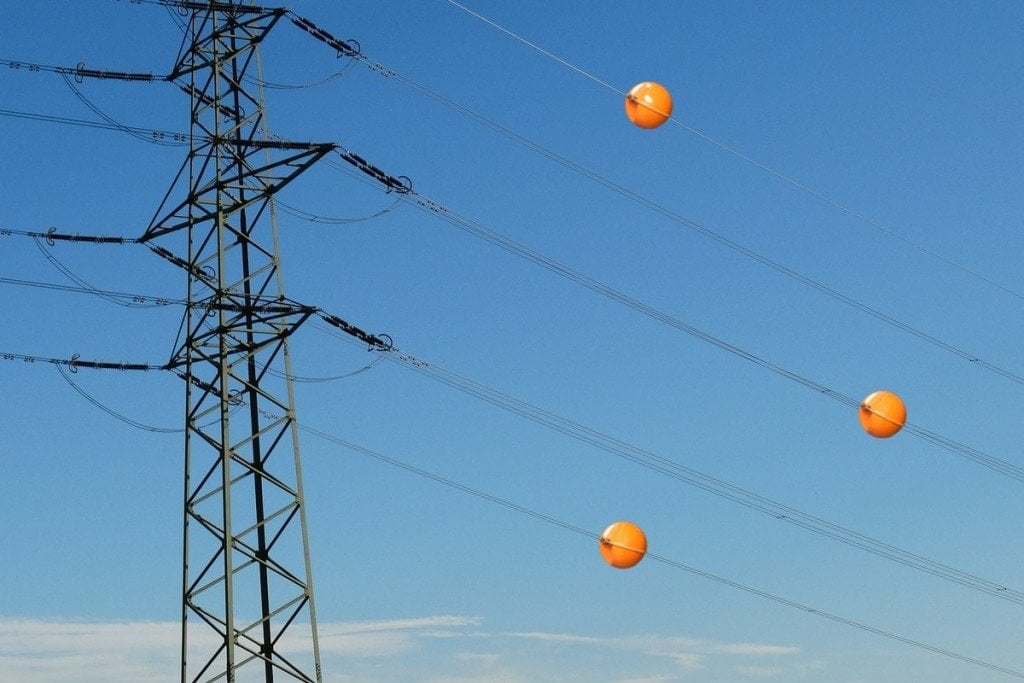
It's like giving the wind a high-five, but instead of connecting, you just let your hand go limp and absorb all the impact. The damper takes the punch, so the power line doesn't have to. Pretty clever for a couple of metal balls, eh?
Not Just Any Balls: Surprising Facts!
- They're Not All Identical: Just like people, not all vibration dampers are created equal. They come in different sizes, weights, and designs, specifically tuned to the length, tension, and material of the power line they're protecting. It's a bespoke damping service!
- They're Older Than You Think: The basic concept of these dampers has been around since the 1920s! So, engineers have been battling wind-induced wiggles for a century.
- Critical Infrastructure: Without these humble dampers, the lifespan of our transmission lines would be drastically reduced, and the reliability of our entire power grid would plummet. They're silently saving us from a blackout symphony.
So, Next Time You See Them...
Don't just shrug them off as weird line ornaments. These little metal marvels are tirelessly protecting the very wires that bring power to your home, your office, and that café where you're (not really) listening to me ramble. They're a testament to clever engineering, solving a surprisingly complex problem with a deceptively simple solution.
So, here's to the vibration dampers – the quiet, spherical guardians of our electricity. May their dampening always be effective, and may your power always stay on. Now, about that coffee refill...
