What Are The Alloys Of Brass

Step into almost any home, glance at an old musical instrument, or admire intricate hardware, and chances are you’ll encounter the warm, inviting glow of brass. It’s a metal that feels both timeless and utterly modern, cherished for its beauty, durability, and versatility. But have you ever stopped to wonder what exactly gives brass its distinctive charm and impressive strength? The secret, dear reader, lies in its fascinating composition – brass isn't a pure element, but rather a brilliant alloy, a masterful blend of metals that opens up a world of creative possibilities!
At its heart, brass is primarily an alloy of copper and zinc. Think of it like baking: the basic ingredients are flour and water, but what you add next, and in what proportions, determines if you end up with a fluffy cake or a chewy artisan bread. Similarly, the specific ratio of copper to zinc, along with sometimes tiny additions of other elements, dramatically influences brass's color, strength, malleability, and how it behaves. For artists, hobbyists, and even curious casual learners, understanding these variations is like unlocking a secret code to a treasure trove of potential.
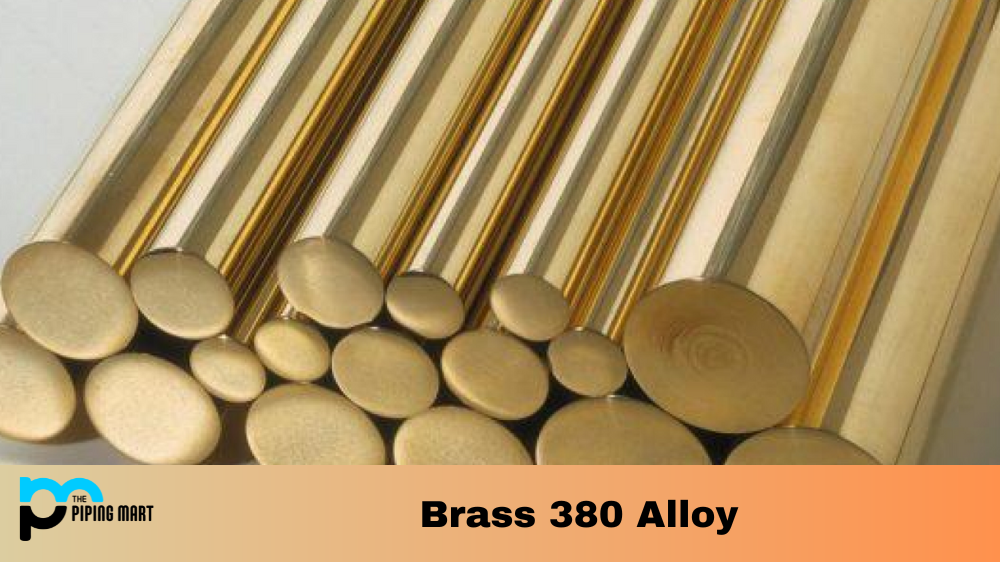
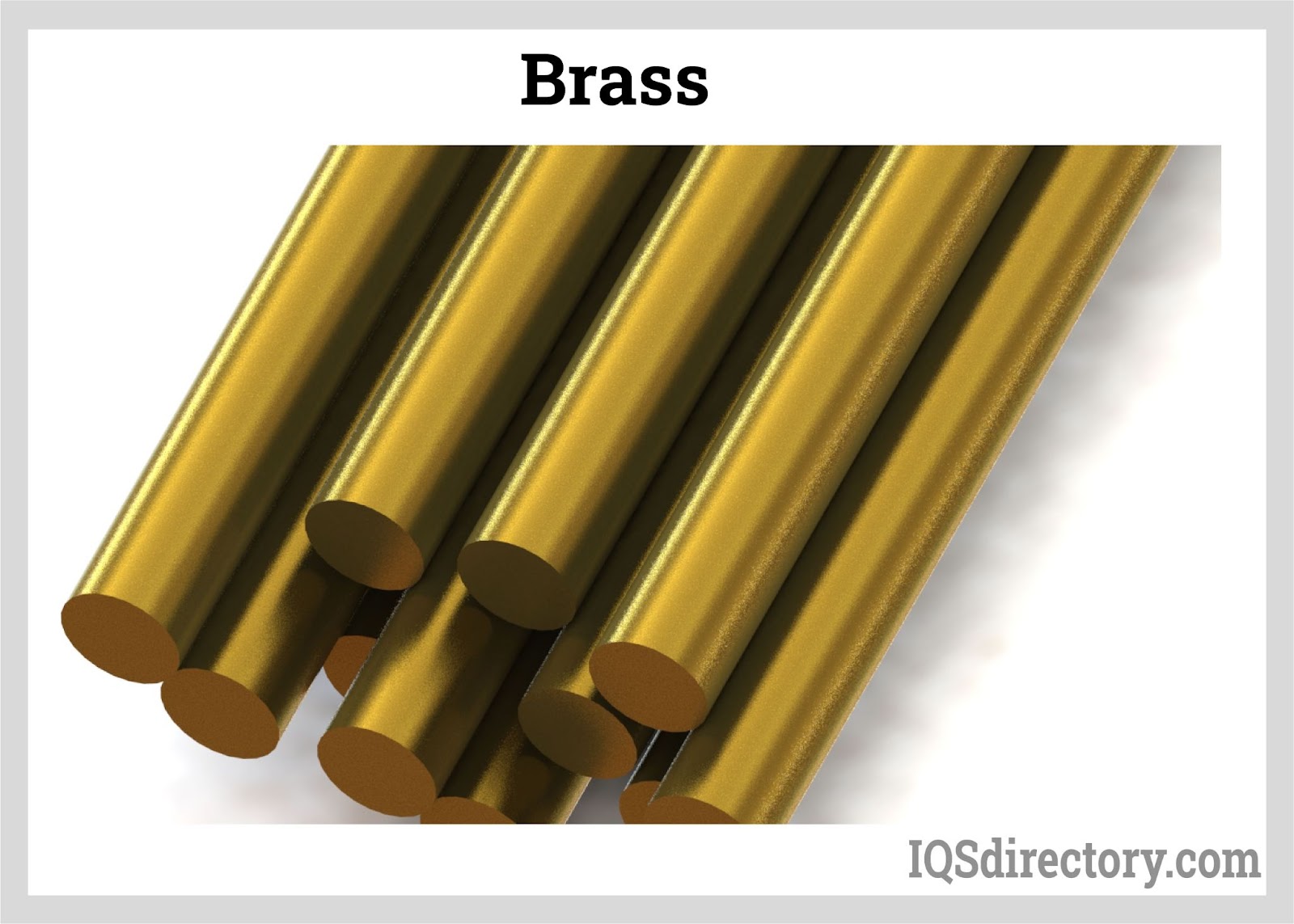
The benefits are truly boundless! For starters, its workability is a dream. Depending on its specific alloy, brass can be easily cast into intricate shapes, drawn into fine wires, rolled into thin sheets, or machined with precision. This makes it perfect for everything from delicate jewelry to robust plumbing fixtures. Its beautiful golden hues range from a rich reddish-brown (high copper content, often called "red brass" or "gilding metal") to a vibrant lemon yellow (higher zinc content, known as "yellow brass"). Plus, brass boasts excellent corrosion resistance, making it a lasting material for both functional and decorative pieces.
Must Read
Let's dive into some examples of how these alloy variations manifest. You might encounter Cartridge Brass (typically 70% copper, 30% zinc), famous for its excellent cold working properties, making it ideal for bending and shaping into things like musical instrument parts or bullet casings. Then there's Muntz Metal (around 60% copper, 40% zinc), which is stronger and harder, often used for architectural trim or marine applications where rigidity is key. Other variations include tiny amounts of lead to improve machinability (making it easier to cut and drill), or tin for enhanced corrosion resistance, as seen in Naval Brass.

Fancy trying your hand at exploring the world of brass at home? It's simpler than you might think! Begin by becoming an "alloy detective": examine brass objects around your home. Do they all have the same color? A reddish tone suggests more copper, a yellower tone more zinc. Research the common alloys and their uses online. For the truly hands-on, consider simple projects using readily available brass sheets or wire. You can practice basic metalworking techniques like cutting, filing, sanding, and polishing to restore an old brass piece or create a new trinket. Many craft stores offer small brass blanks perfect for stamping or etching, allowing you to appreciate its malleability firsthand.
Ultimately, exploring the alloys of brass is an enjoyable journey into the science and artistry of materials. It's delightful to discover how humble copper and zinc, when combined with intention, create such a diverse family of metals, each with its unique personality and purpose. There's immense satisfaction in understanding the "how" and "why" behind the beautiful objects that enrich our lives, making the study of brass not just educational, but truly inspiring!
:max_bytes(150000):strip_icc()/metal-alloys-2340254_final-ca186a30b3454d7d936ad12114d6cdd9.png)