What Are The Advantages To Using Wind Energy
Okay, picture this: I'm driving through West Texas, right? Endless fields, that big, beautiful sky, and then BAM! A forest of giant white windmills. My first thought? "Whoa, that's a lot of...stuff." My second thought? "Wait, are those things actually doing something good?" Turns out, they are. And that got me thinking – wind energy. Is it all hype, or is it the real deal?
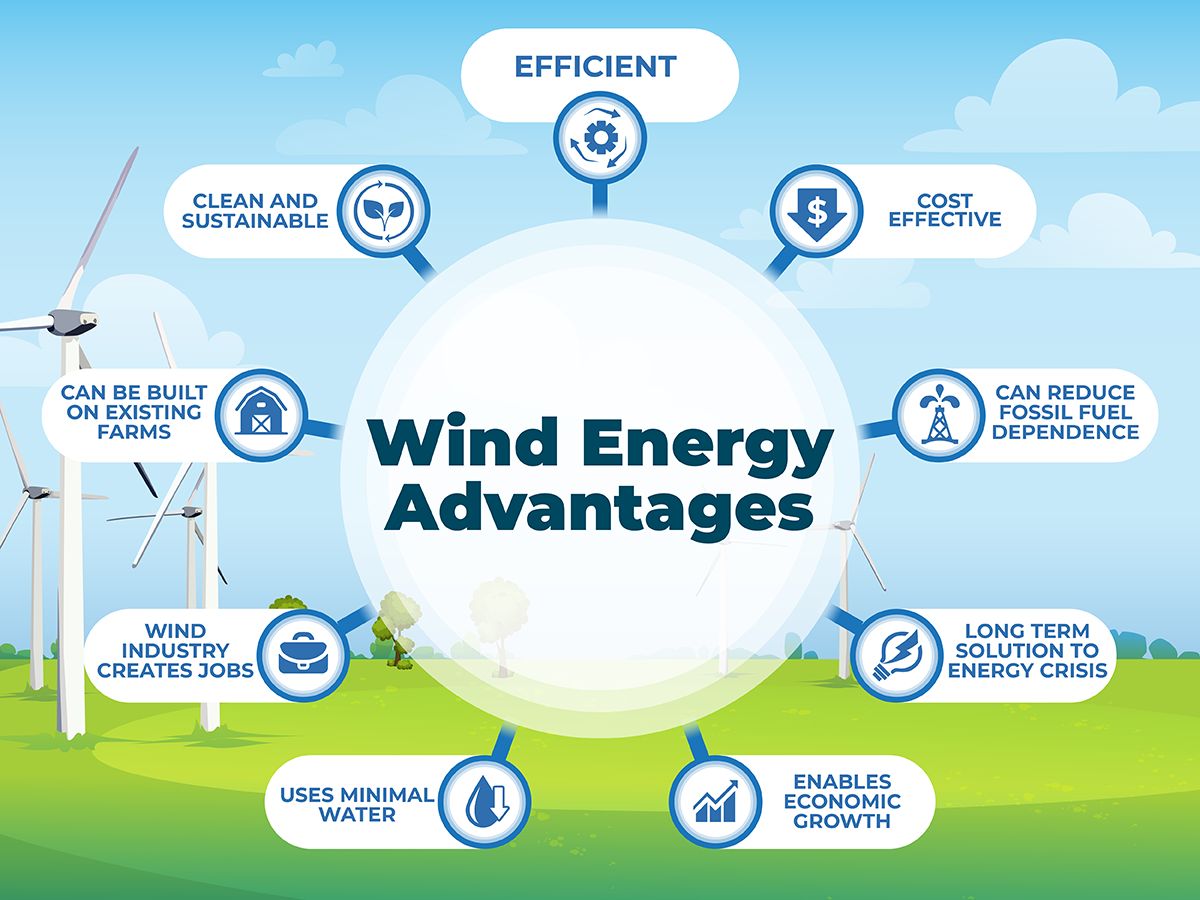
Turns out, the hype has some solid ground to stand on. Wind energy offers a bunch of advantages, so let's dive into why harnessing the breeze is a pretty smart move.
It's Renewable, Baby!
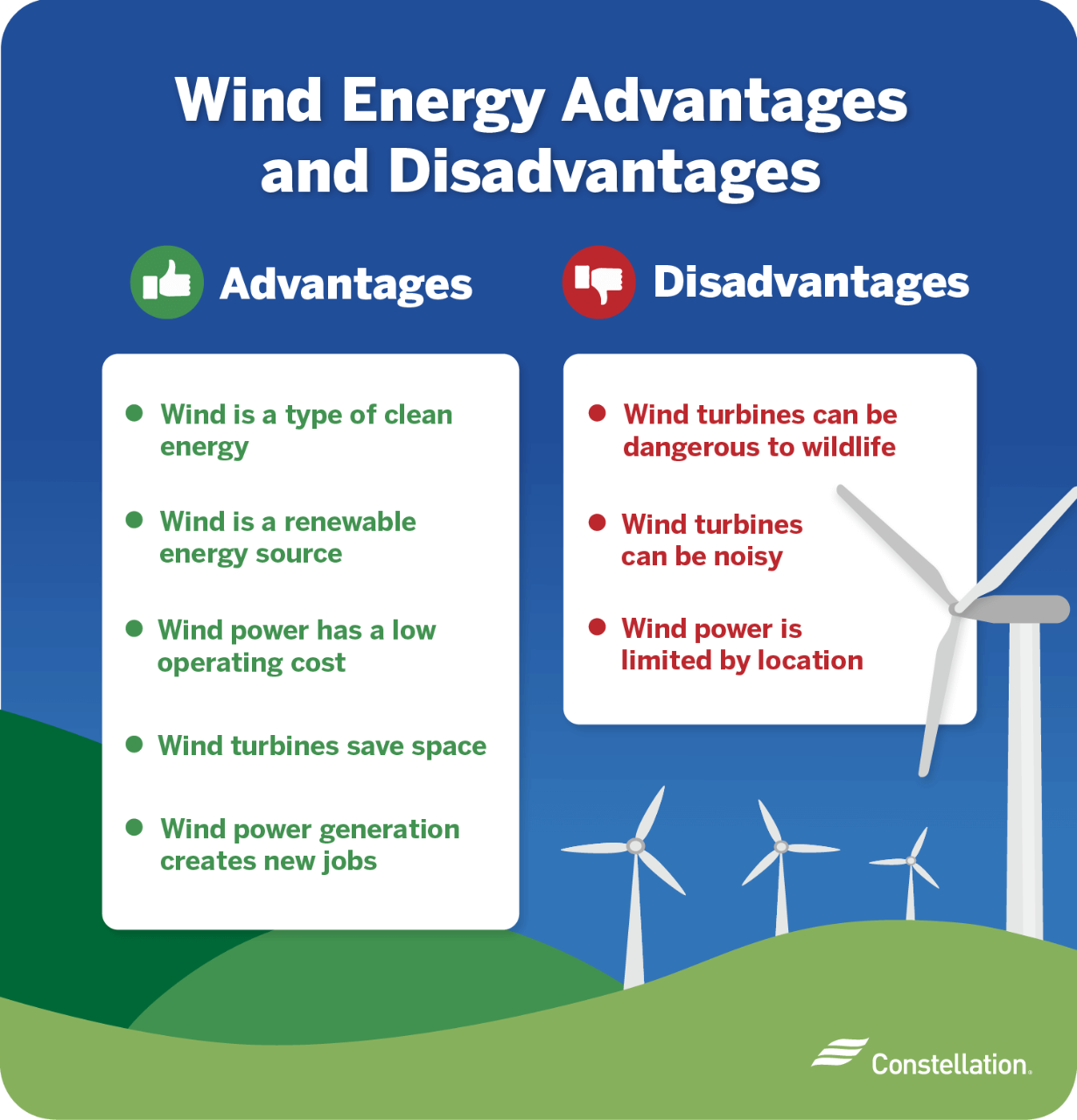
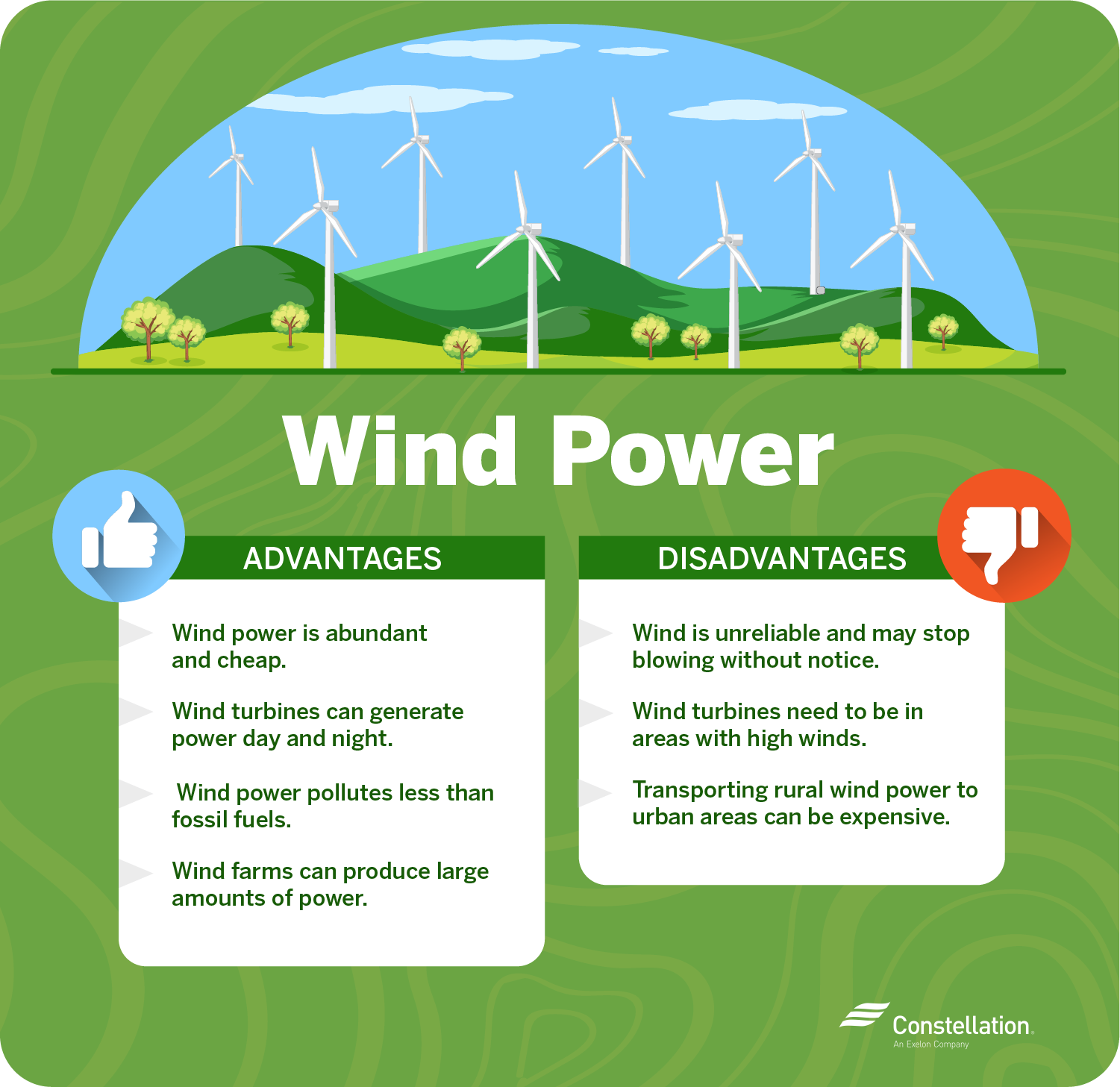
This is the big one, right? Wind is a renewable resource. Unlike fossil fuels (coal, oil, natural gas – the usual suspects), we're not going to run out of wind anytime soon. The sun warms the Earth, creating pressure differences, and those pressure differences create wind. It's a never-ending cycle. Well, until the sun burns out, but that's a few billion years down the line. So, yeah, renewable. Pretty darn renewable.
Must Read
(Side note: Imagine explaining "renewable" to a caveman. "You see, Ug, the wind...it keeps coming back!")
Clean Energy = Happy Planet
Here's another obvious, but incredibly important, benefit: Wind energy is clean energy. Unlike burning fossil fuels, wind turbines don't release harmful greenhouse gases into the atmosphere. That means no contributing to climate change, no acid rain, and no smoggy skies. Which, let's be honest, is a HUGE win for everyone.
Think about it: cleaner air, healthier ecosystems, and a future where your grandkids aren't wearing gas masks just to go outside. Seems worth it, doesn't it?
Domestic Energy Source
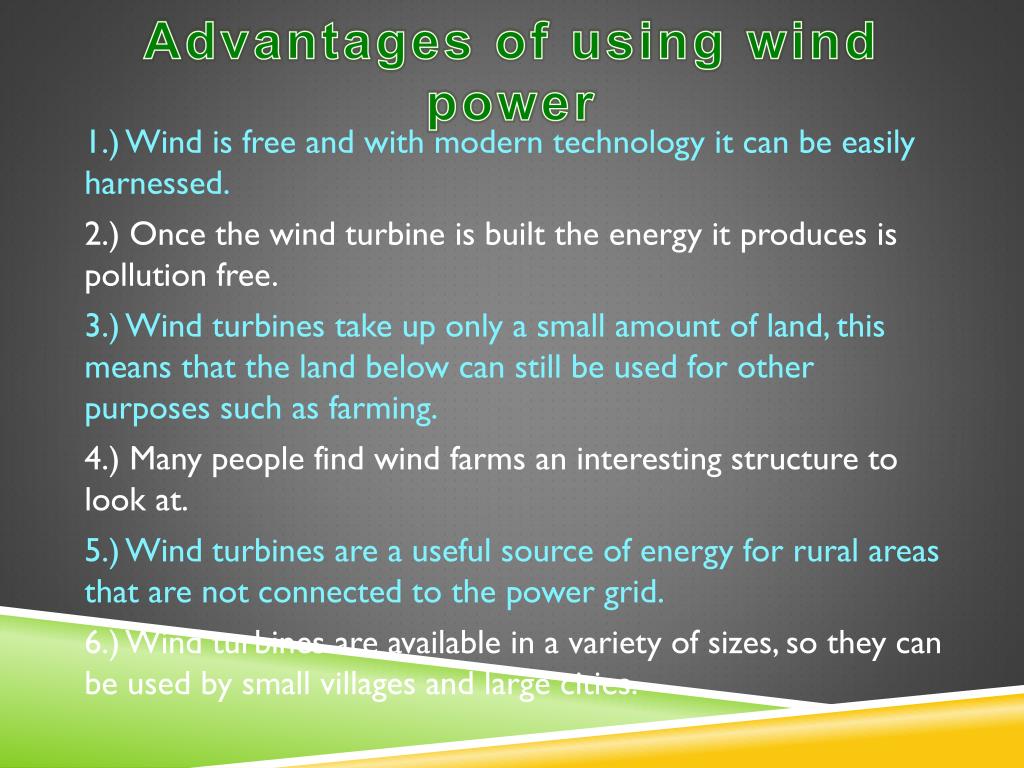
Dependence on foreign oil? Nobody wants that. Wind energy allows countries to generate their own electricity, reducing reliance on imported fuels. This boosts energy independence, strengthens national security, and can even create jobs locally. Building and maintaining wind farms means jobs for engineers, construction workers, technicians – the whole shebang. Economic growth with a clean energy twist? Yes, please!
Decreased Water Usage
Fossil fuel power plants and nuclear power plants need tons of water for cooling. Wind energy? Not so much. Wind turbines use very little water, if any, during operation. This is particularly important in arid or drought-prone regions where water is a precious resource. So, by using wind power, you are reducing the risk of water shortages in already dry regions. Plus, who wants to hear about droughts all the time?
It's Getting Cheaper!
Okay, let's talk money. Wind energy used to be expensive. Like, really expensive. But thanks to technological advancements and economies of scale, the cost of wind power has plummeted in recent years. In many areas, wind energy is now competitive with, or even cheaper than, fossil fuels. That's a game-changer. Suddenly, going green isn't just about doing the right thing; it's about saving money too.
(Honestly, who doesn’t love saving money? I know I do!)
Land Use: Surprisingly Efficient
You might think giant wind turbines take up a huge amount of land. And, yes, they do require space. However, the actual footprint of a wind turbine is relatively small. The land around the turbines can still be used for farming, grazing, or other purposes. So, it's not like entire areas are being paved over. In fact, many farmers lease their land to wind energy companies, providing them with an extra source of income. Win-win!
Technological Advancements Are Continual
The story of wind energy doesn't end here. Engineers and scientists are constantly working on improving wind turbine technology, making them more efficient, more reliable, and less visually intrusive. We're talking about larger turbines that capture more wind, floating wind turbines that can be placed in deeper waters, and even new designs that minimize noise and bird strikes. The future of wind energy is bright, and the sky's the limit (literally!).
So, next time you see those giant white windmills, remember they are not just spinning in the wind. They're helping create a cleaner, more sustainable future for all of us. Not bad, huh?