
What Are Some Disadvantages For Natural Gas

Hey there, energy enthusiasts! We often hear about how great natural gas is – clean-burning, efficient, powers our stoves and heats our homes. But just like that delicious-looking cake that's secretly got a ton of sugar, there are some downsides to natural gas too. Let's dive in, shall we? No need for a scientific calculator, just a curious mind!
Leaky Business: Methane and Global Warming
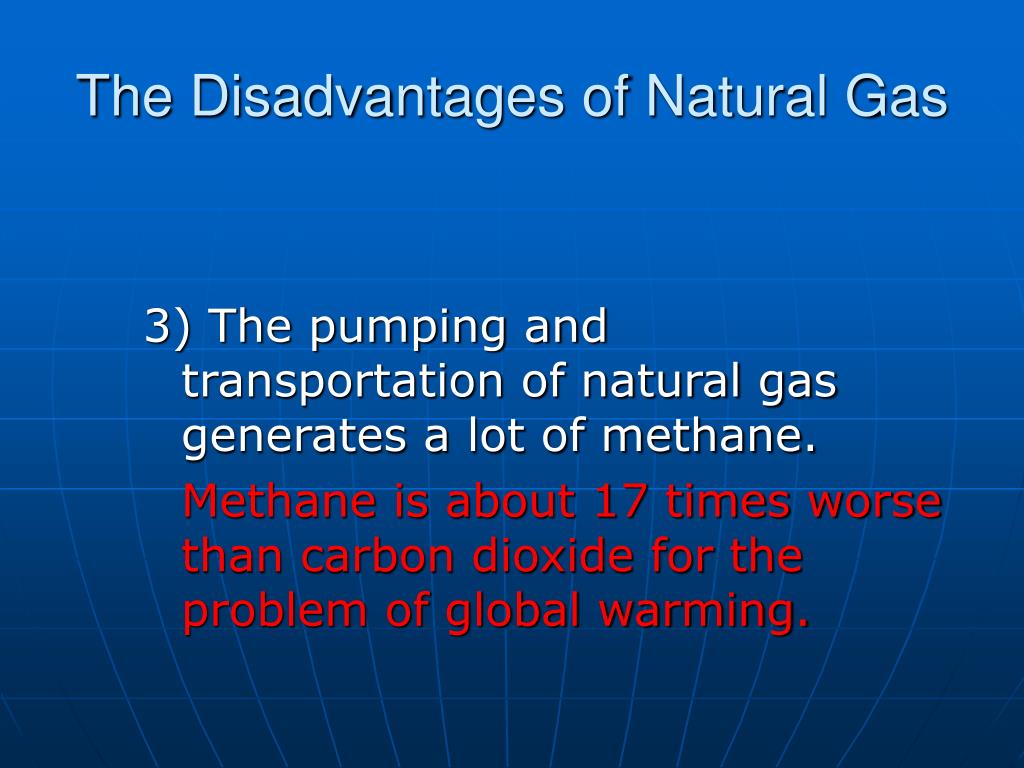
Okay, this is a big one. Natural gas is mostly methane, and methane is a super potent greenhouse gas. Think of it like this: carbon dioxide is a steady, slow-burning log in the fireplace, contributing to global warming over time. Methane is like tossing lighter fluid on that fire – a quick burst of intense heat. Methane traps way more heat than carbon dioxide over a shorter period.
The problem? Natural gas infrastructure – pipelines, wells, even our home appliances – can leak. These leaks, big or small, release methane into the atmosphere. It's like having a tiny hole in your tire; slowly but surely, it's deflating. And in this case, "deflating" means contributing to climate change. Even if natural gas burns cleaner than coal, these methane leaks can negate some of those benefits.
Must Read
Imagine you're baking cookies, and a little bit of batter spills on the floor every time you scoop it. Individually, it's not a big deal. But over time, that spilled batter adds up! Methane leaks are similar – seemingly small leaks accumulate and contribute significantly to the overall problem.
Boom, Crackle, Pop: The Fracking Controversy
A lot of natural gas is extracted through a process called fracking (hydraulic fracturing). Now, fracking has its benefits, like unlocking vast reserves of natural gas. But it also has some serious drawbacks.
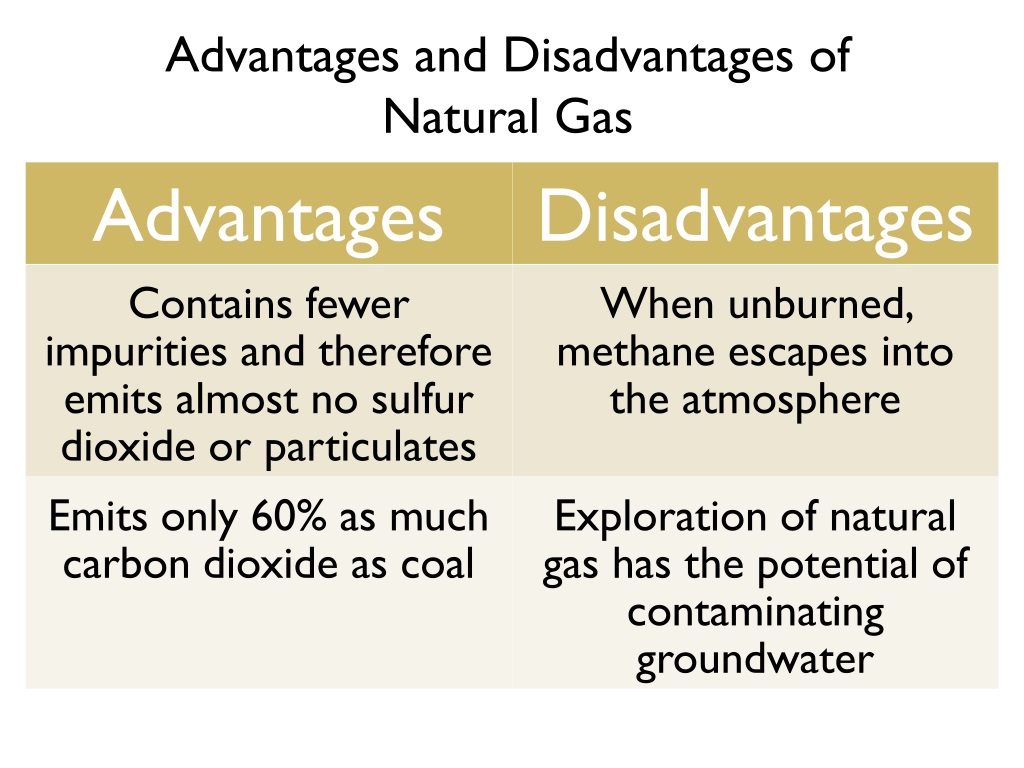
Fracking involves injecting water, sand, and chemicals deep underground to crack open rock formations and release natural gas. This process can contaminate groundwater, the source of our drinking water. Imagine finding out your morning coffee tasted a little…chemical-y. Not exactly how you want to start your day, right?
Plus, fracking can sometimes trigger earthquakes. Small ones, usually, but nobody wants their house shaking, even just a little. Think of it like having a particularly rambunctious pet – cute at first, but eventually you worry about it knocking over your favorite vase.

The disposal of wastewater from fracking also poses a problem. It often contains pollutants and needs to be treated carefully to avoid contaminating water sources.
Price Volatility: The Rollercoaster Ride
Natural gas prices can be...unpredictable. They bounce around depending on supply and demand, weather patterns (think hot summers driving up AC use!), and even geopolitical events. This can impact our energy bills.
Remember that time the price of gas at the pump suddenly shot up? Similar things can happen with natural gas. When prices spike, heating your home or cooking your meals can become unexpectedly expensive. It's like planning a budget for a nice dinner out, and then the restaurant suddenly doubles its prices. Ouch!
Safety Concerns: Carbon Monoxide and Explosions
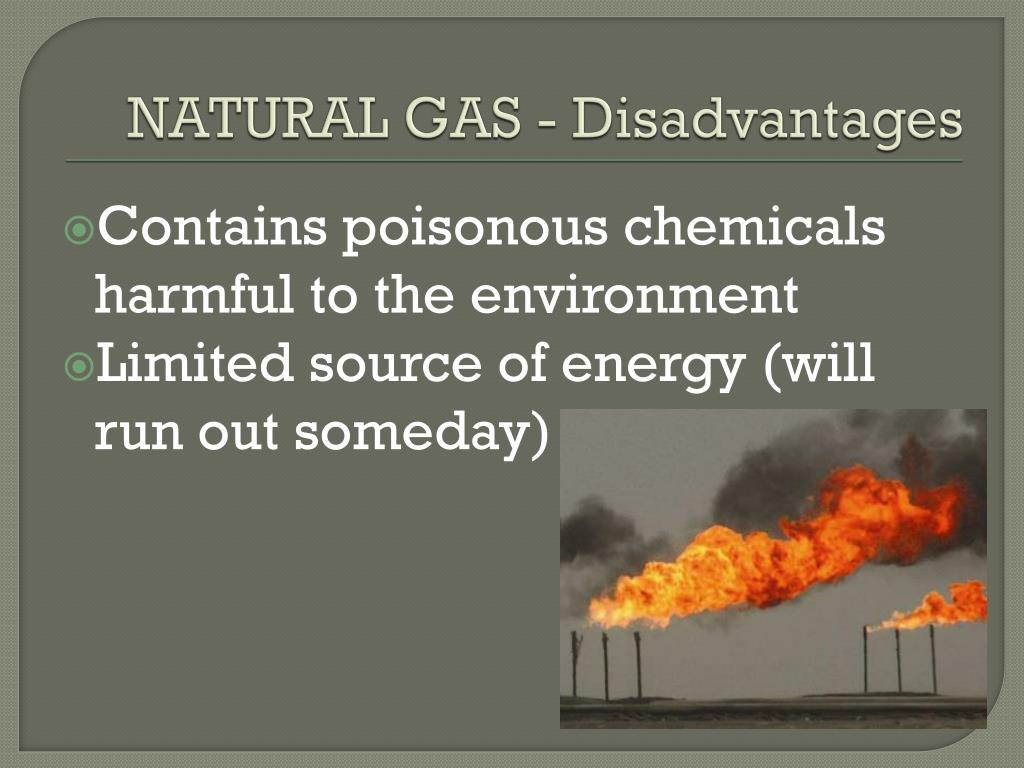
Burning natural gas releases carbon monoxide (CO), a silent killer. That's why it's crucial to have working CO detectors in your home, especially near your furnace and other gas-burning appliances. Think of them as your home's smoke alarm for an invisible, odorless danger.
Gas leaks can also lead to explosions. While rare, they can be devastating. A well-maintained system, along with a keen sense of smell (that rotten egg smell added to natural gas is a lifesaver!), can help prevent these accidents.
The Fossil Fuel Question: Long-Term Sustainability
Ultimately, natural gas is a fossil fuel. It's a finite resource that, when burned, contributes to greenhouse gas emissions (albeit less than coal). While it might be a "bridge fuel" to a cleaner energy future, we can't rely on it forever.
Think of it like this: natural gas is like using a slightly less sugary soda than a super sugary one to help you wean off sugar completely. It's better than the super sugary one, but ultimately, you want to switch to water (renewable energy!) for the long-term health of the planet.
So, there you have it! The less-sunny side of natural gas. It's important to be aware of these disadvantages so we can make informed decisions about our energy use and advocate for cleaner, more sustainable alternatives. The more we know, the better equipped we are to build a brighter, greener future for everyone!