
What Are Properties Of Alkaline Earth Metals

Have you ever wondered what gives fireworks their brilliant, vibrant colors? Or perhaps pondered the science behind strong bones and teeth? Chances are, the answer lies, at least in part, with the fascinating world of alkaline earth metals. These elements, often working behind the scenes, contribute to our daily lives in surprising and beneficial ways. Think of them as the unsung heroes of the periodic table!
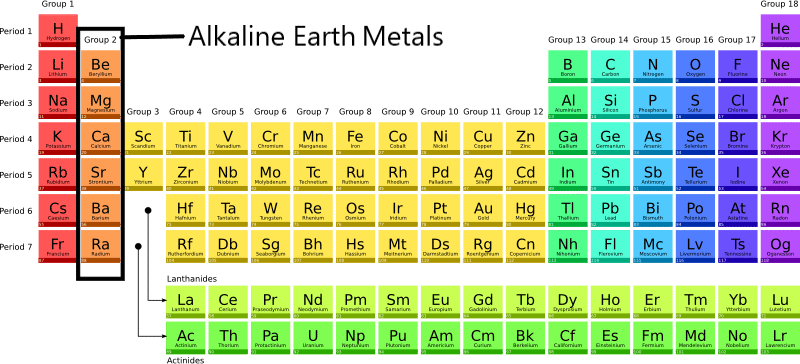
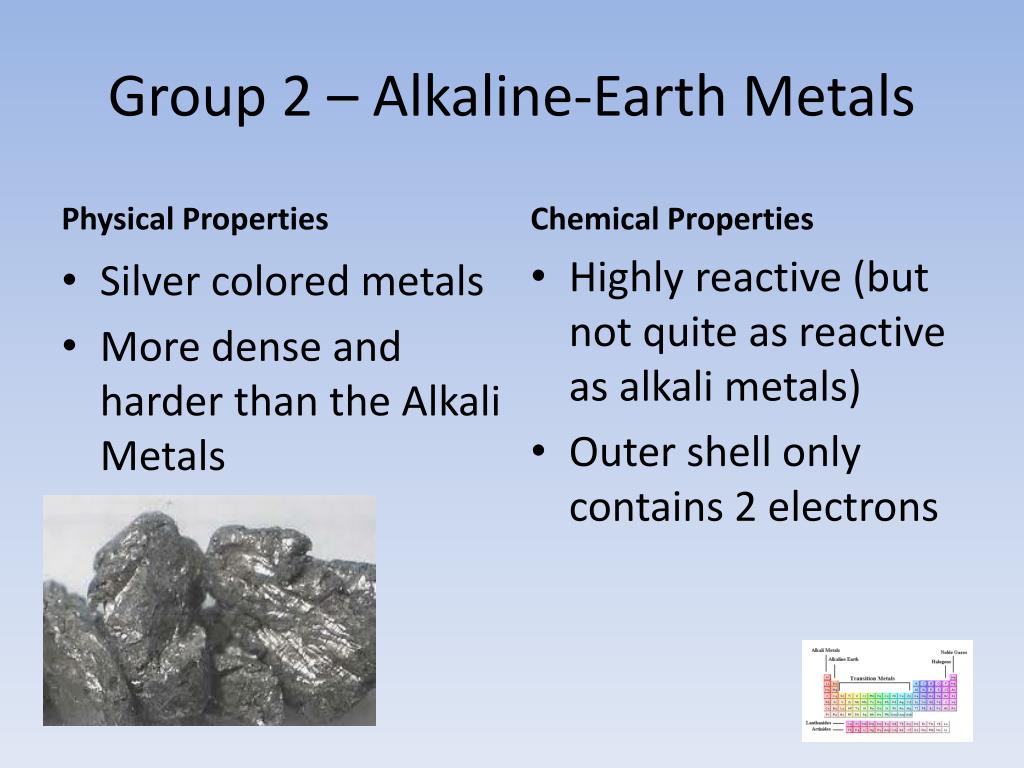
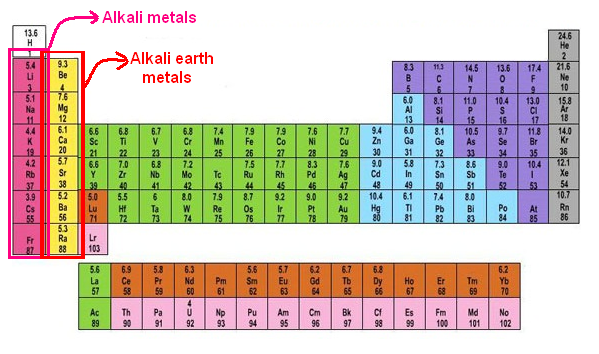
So, what exactly are the properties of these intriguing metals and why should you care? Well, let's dive in! Alkaline earth metals, found in Group 2 of the periodic table, share some key characteristics. They are all silvery-white, relatively soft metals, though a bit harder than their alkali metal cousins (Group 1). The most common examples you might recognize are magnesium (Mg), calcium (Ca), strontium (Sr), and barium (Ba). Beryllium (Be) and radium (Ra) are also part of the group, but are less commonly encountered in everyday applications.
One of the most important properties they share is their tendency to readily lose two electrons to form positive ions (cations) with a +2 charge. This reactivity, though less vigorous than alkali metals, is what makes them so useful. For example, calcium is absolutely essential for building and maintaining strong bones and teeth. Magnesium plays a crucial role in muscle function and nerve transmission. In fact, both are essential electrolytes that help maintain fluid balance in our bodies.
Must Read
The applications of alkaline earth metals extend far beyond just keeping us healthy. Magnesium, being lightweight and strong, is used in alloys for aircraft and automotive parts. Think of the fuel efficiency gained from lighter vehicles – thanks, in part, to magnesium! Calcium is not only in our bones but also used in cement and plaster, key components of construction. Strontium compounds are responsible for the brilliant red color in fireworks, adding that dazzling spectacle to celebrations. Barium sulfate is ingested as a "barium meal" before X-rays of the digestive system, helping doctors visualize the organs clearly. Even radium, though radioactive and requiring careful handling, was once used in luminous paints for watch dials.
Want to appreciate alkaline earth metals more effectively? Here are a few tips: Firstly, pay attention to the nutritional information on food labels to ensure you are getting enough calcium and magnesium in your diet. Consume a varied and balanced diet rich in leafy green vegetables, nuts, seeds, and dairy products. Secondly, when enjoying fireworks, remember the science behind the spectacle. The vibrant colors are a result of different elements, including strontium, being heated and emitting light. And finally, consider the materials around you. From the concrete beneath your feet to the alloys in your car, alkaline earth metals are working hard to make our lives safer, stronger, and a little more colorful. So next time you see a firework explode or think about the strength of your bones, remember the powerful properties of alkaline earth metals!
.PNG)