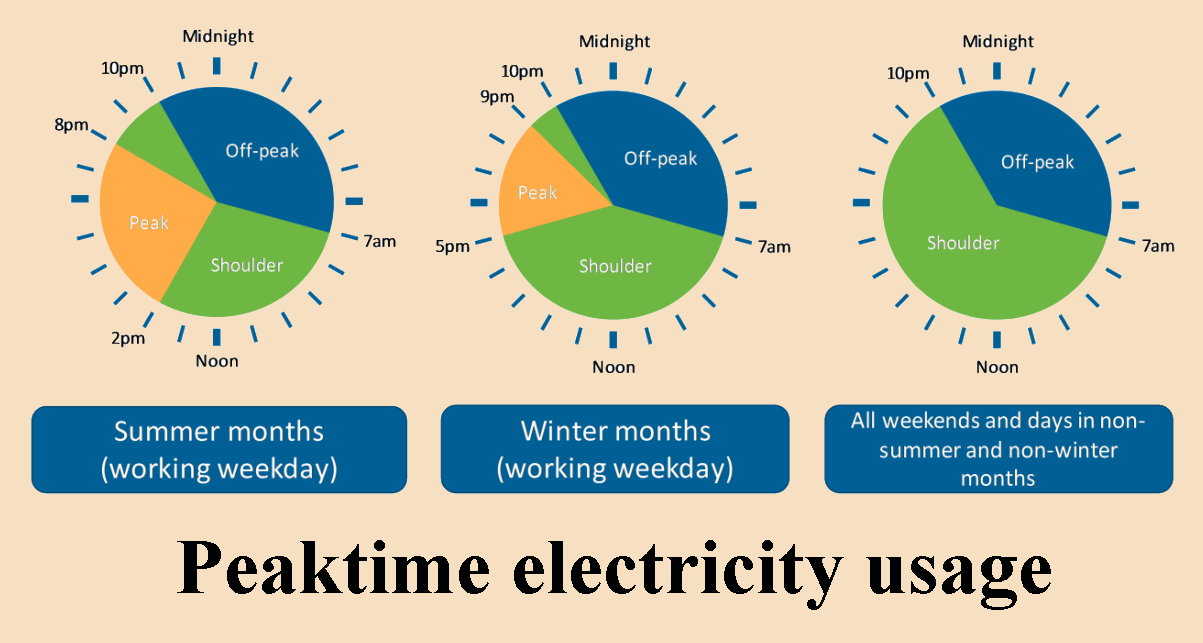
What Are Peak And Off Peak Times For Electricity
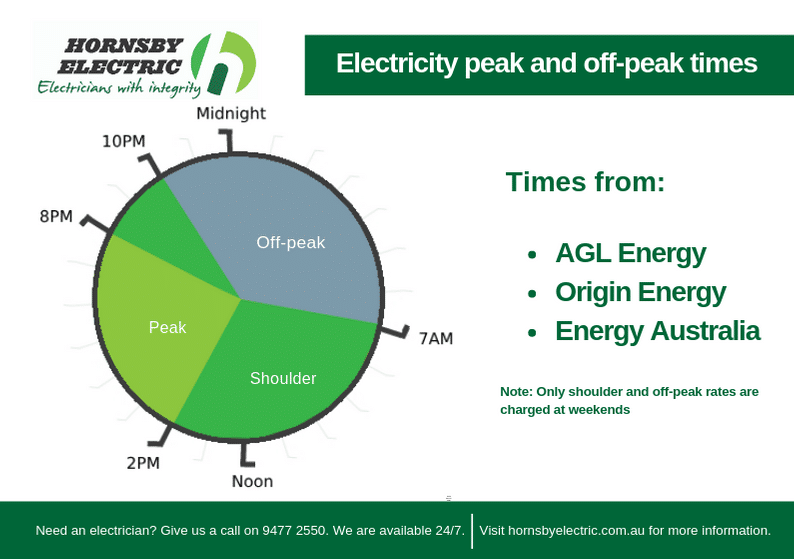
Let's face it, most of us don't spend our days pondering the intricacies of electricity grids. But think about what electricity powers: our cozy homes bathed in warm light, our entertainment systems bringing us movies and music, our refrigerators keeping our food fresh. We rely on electricity so much, it's like an invisible friend powering our lives. Understanding how it works, and specifically when it's in high demand versus low demand, can actually save you money and contribute to a greener planet!
The concept of peak and off-peak electricity times is simple. Think of it like a popular restaurant: lunch and dinner are peak hours, when everyone wants a table. In the electricity world, peak times are when the demand for electricity is highest. This usually corresponds to when most people are awake and active – think mornings when everyone is getting ready for work or school, and evenings when everyone is home cooking dinner, watching TV, and running appliances. Off-peak times, conversely, are periods when demand is lower, typically late at night or early in the morning when most people are asleep.
So, why does this matter? Well, generating electricity isn't like flipping a light switch at a power plant. It requires resources and infrastructure. To meet peak demand, power companies often have to fire up extra, sometimes less efficient, power plants. This can be more expensive and can contribute more to pollution. By shifting some of your electricity usage to off-peak hours, you help the power company balance the load on the grid, reducing the need for these extra power sources and potentially leading to lower electricity bills for everyone.
Must Read
Common examples of peak and off-peak usage abound. Consider using your washing machine, dryer, or dishwasher late at night or early in the morning instead of during the evening rush. Charging your electric car during off-peak hours is another great example. Many smart thermostats can be programmed to reduce energy consumption during peak times, and some utility companies even offer specific time-of-use rates, rewarding you for shifting your usage.
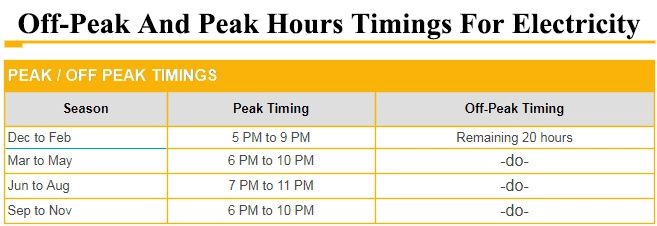
Here are some practical tips to enjoy your electricity usage more effectively and efficiently:
- Know Your Utility's Rates: Contact your electricity provider or check their website to understand their peak and off-peak hours. Some utilities have detailed schedules, while others offer variable pricing plans.
- Embrace Smart Technology: Invest in a smart thermostat or smart plugs to automate your energy usage and schedule tasks for off-peak times.
- Program Your Appliances: Many appliances have timer functions. Set your washing machine, dryer, and dishwasher to run overnight.
- Consider Energy Storage: If you have solar panels, consider adding battery storage to store excess energy generated during the day for use during peak hours.
- Be Mindful: Even small changes, like turning off lights when you leave a room or unplugging electronics when not in use, can make a difference.
Understanding and leveraging peak and off-peak electricity times is a win-win. You can save money, reduce your carbon footprint, and help ensure a more stable and efficient electricity grid for everyone. So, next time you're about to run the dishwasher, take a moment to think about the time, and you might just be surprised at the positive impact you can make!