
What Are Microplastics And Where Do They Come From
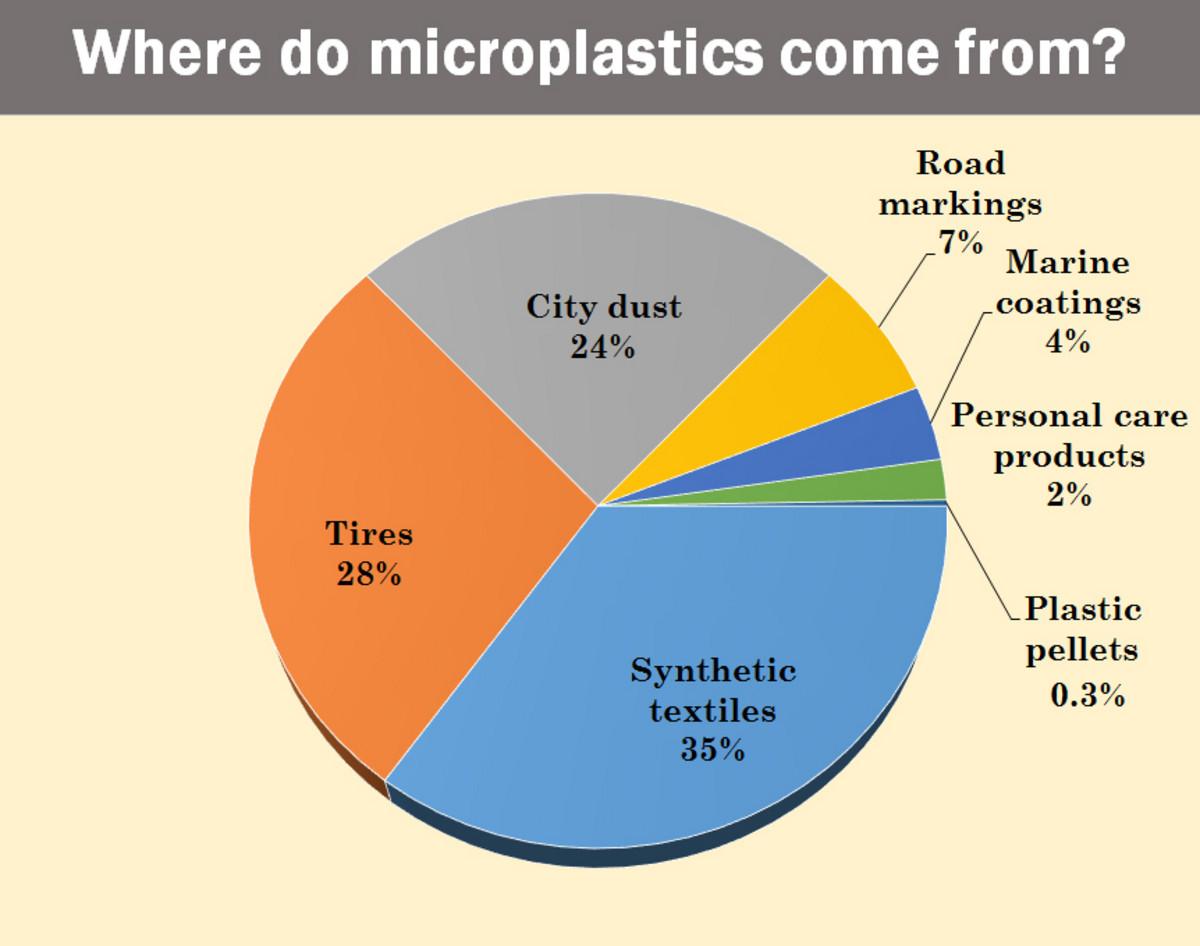
Ever heard of something so tiny, it's almost invisible? Yet, it's everywhere! We're talking about microplastics. They're like the ninjas of pollution. Sneaky, aren't they?
What Exactly Are These Microscopic Menaces?
Imagine taking a plastic bottle and shredding it...a lot. Then shredding those tiny bits some more. Keep going until they are smaller than a sesame seed! That, in a nutshell, is a microplastic.
Specifically, they're defined as plastic pieces smaller than 5 millimeters. That's about the size of a pencil eraser. So small, yet so mighty in their ability to cause a ruckus.
Must Read
Primary Suspects: The Original Sinners
Some microplastics are born tiny. These are called primary microplastics. Think of them as the villains who start out evil from the get-go.
One major culprit? Microbeads. These tiny spheres were once super popular in face washes and toothpastes. They were used to exfoliate your skin.
Thankfully, many countries have banned them now. But the damage, unfortunately, is already done. They're still lurking out there.
Another example? Nurdles! These are small plastic pellets used to manufacture larger plastic products. They're often spilled during production and transportation. Whoops!
Glitter also falls into this category. It's pretty, sure. But each tiny sparkle is a microplastic. Something to consider next time you're bedazzling your eyebrows.
Secondary Sources: The Broken-Down Brigade
Then there are secondary microplastics. These start as larger plastic items. And then they break down over time. It’s like watching your favorite plastic toy slowly crumble.
Think of that plastic water bottle you tossed in the ocean. The sun, waves, and wind all work to break it down. Into smaller and smaller pieces.
Eventually, it becomes a microplastic. That's a one-way ticket to pollution station. Not a fun vacation.
Where Do These Tiny Terrors Come From?
Microplastics are masters of disguise. They pop up in the most unexpected places. Let's explore some of their favorite haunts.
The Ocean: A Microplastic Soup
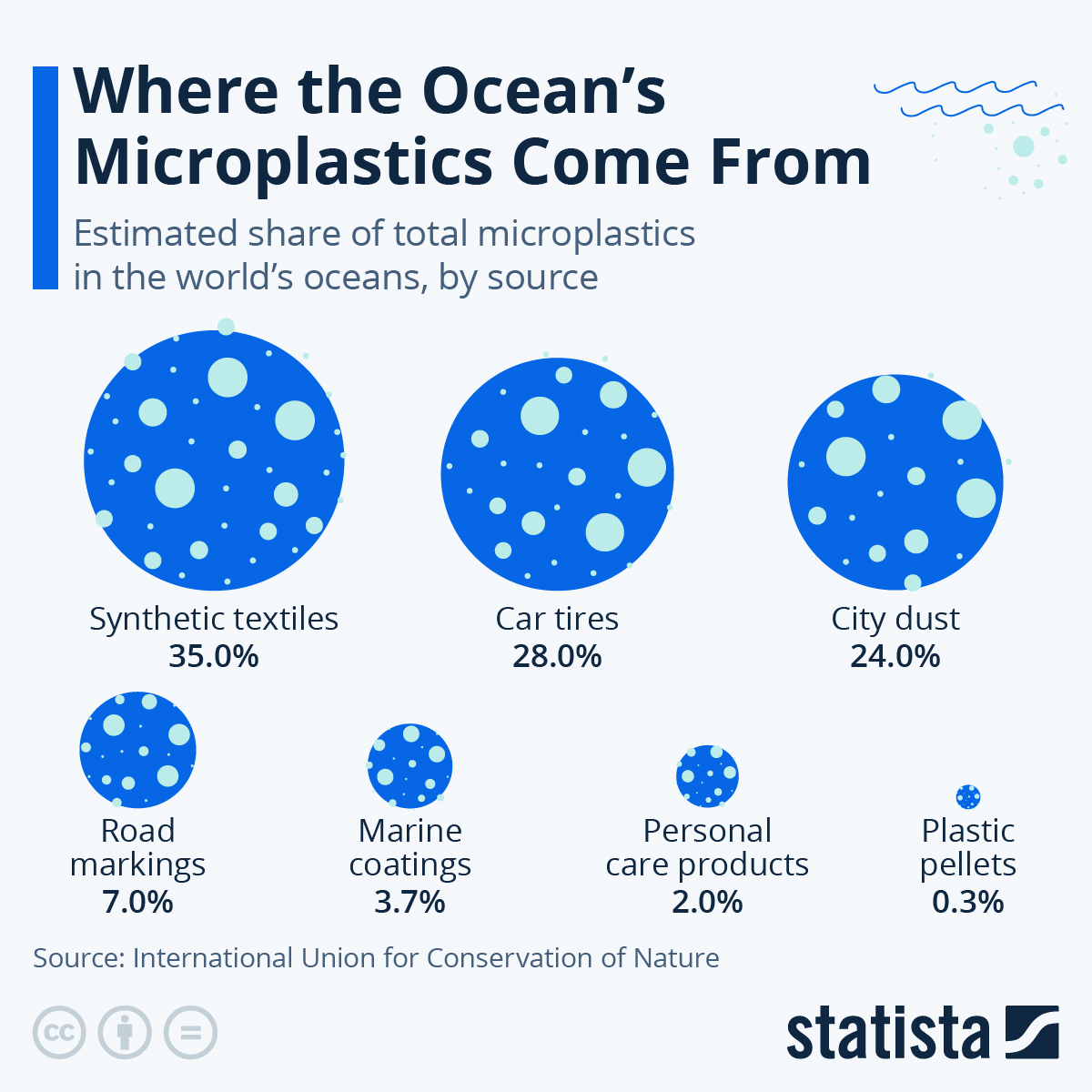
The ocean is, sadly, a microplastic buffet. It’s the ultimate destination for much of our plastic waste. A swirling, churning sea of tiny plastic particles.
Wastewater treatment plants can't filter them all out. So, some microplastics end up flowing directly into our oceans. It’s like a leaky faucet of pollution.
Fishing nets are another major source. They're often made of plastic. And when they get lost or abandoned, they break down into microplastics.
These “ghost nets” also continue to trap marine life. Adding insult to injury for our ocean friends. It's a double whammy of bad news.
Our Rivers and Lakes: Inland Intrigue
Our rivers and lakes aren't immune either. They act as highways for microplastics. Transporting them from land to the sea.
Runoff from agricultural fields can carry plastic mulch into waterways. Plastic mulch is often used to suppress weeds. Another well-intentioned product with unintended consequences.

Even the simple act of washing our clothes can contribute! Synthetic fabrics like polyester shed tiny plastic fibers. These fibers then end up in our wastewater.
The Air We Breathe: Invisible Invaders
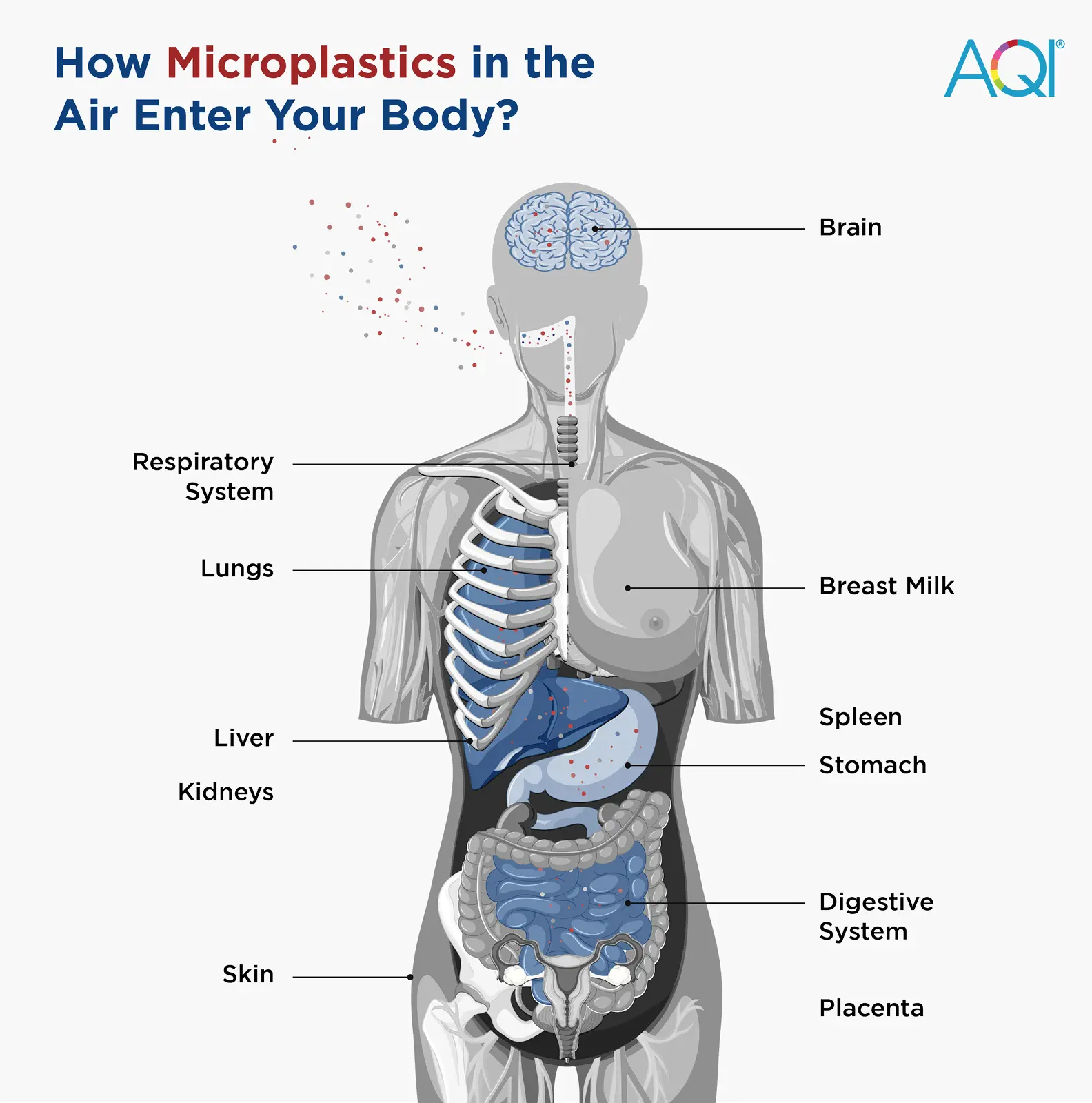
Believe it or not, microplastics are even floating in the air. It's like living in a plastic snow globe. Except, not as festive.
They can be released from car tires as they wear down. The friction creates tiny plastic particles. Which then become airborne.
Microplastics can also be kicked up by wind from contaminated soil. Or released during the breakdown of plastic waste. They're sneaky little travelers!
Even Our Food and Drinks: A Plastic Plate?
Here’s where things get really unsettling. Microplastics have been found in our food and drinks. It's like a surprise ingredient no one asked for.
Seafood is particularly vulnerable. Fish and shellfish can ingest microplastics. It's a sad reality of ocean pollution.
Microplastics have also been found in beer, honey, and even table salt! Seems like nowhere is truly safe. It’s a plastic invasion!
Why Should We Care? The Big Picture
So, why all the fuss about these tiny pieces of plastic? It's not just about aesthetics. It's about the health of our planet and ourselves.
Environmental Impacts: A Tangled Web
Microplastics can harm marine life. Animals can mistake them for food. Leading to malnutrition and starvation.
These plastics can also accumulate in the food chain. Meaning that larger animals, including us, can ingest them. It's a plastic pyramid of doom.
Microplastics can also absorb pollutants from the surrounding environment. Then, they can release these pollutants when ingested. It’s like a toxic Trojan horse.
Potential Human Health Risks: The Great Unknown
The potential human health impacts of microplastics are still being studied. But early research is raising some concerns. It's a scientific mystery unfolding.
Some studies suggest that microplastics can cause inflammation in the gut. Or even carry harmful chemicals into our bodies. But we need more research to fully understand the risks.
However, the precautionary principle suggests we should reduce our exposure. Better safe than sorry, right?
What Can We Do? Beating Back the Plastic Tide
Feeling overwhelmed? Don't be! There are plenty of things we can do to combat microplastic pollution. Every little bit helps.
Reduce, Reuse, Recycle: The Classic Trio
This is the golden rule of sustainability. Reduce your plastic consumption. Reuse what you can. And recycle properly.

Choose products with less packaging. Bring your own reusable bags to the store. And avoid single-use plastics whenever possible. Small changes, big impact!
Choose Natural Alternatives: Ditch the Synthetics
Opt for clothing made from natural fibers. Like cotton, wool, or linen. Avoid synthetic fabrics like polyester and nylon. They are big shedders of microplastics.
Use natural cleaning products. And avoid products containing microbeads. Read the labels carefully!
Support Legislation and Advocacy: Use Your Voice
Support policies that reduce plastic pollution. And hold companies accountable for their plastic waste. Demand change!
Educate yourself and others about the issue. Spread the word! The more people who are aware, the more likely we are to find solutions.
Participate in Cleanups: Get Your Hands Dirty (Safely)
Join a local beach or river cleanup. Every piece of plastic you remove makes a difference. It's a hands-on way to help.
Organize your own cleanup. Gather your friends and family. Make it a fun and rewarding activity!
By working together, we can turn the tide on microplastic pollution. It won't be easy. But it's definitely worth the effort. Let's get to work!