
What Are Examples Of Non Renewable Resources
Ever run out of hot water halfway through a shower? Yeah, we’ve all been there. Shivering like a polar bear at a picnic, wondering where all that lovely warmth went. Well, that feeling is a tiny, very tiny, glimpse into the world of non-renewable resources.
Think of non-renewable resources like that last slice of pizza in the box. Everyone wants it, it's delicious, but once it's gone... it's gone. No amount of pleading, wishing, or even puppy-dog eyes will bring it back (unless you order another pizza, of course, but that's beside the point!).
So, What Are These "Last Slice of Pizza" Resources?
Okay, less pizza metaphors (maybe). Non-renewable resources are things we use that can't be easily replaced. They take millions of years to form, so using them up faster than they can be replenished is a big no-no. It's like spending your entire paycheck on day one and then wondering where your rent money went. Not a good look.
Must Read
Let's dive into some everyday examples you might recognize:
Fossil Fuels: The Energy All-Stars
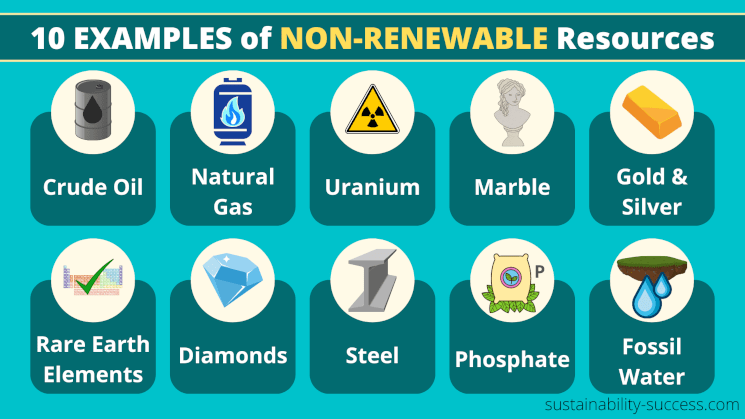
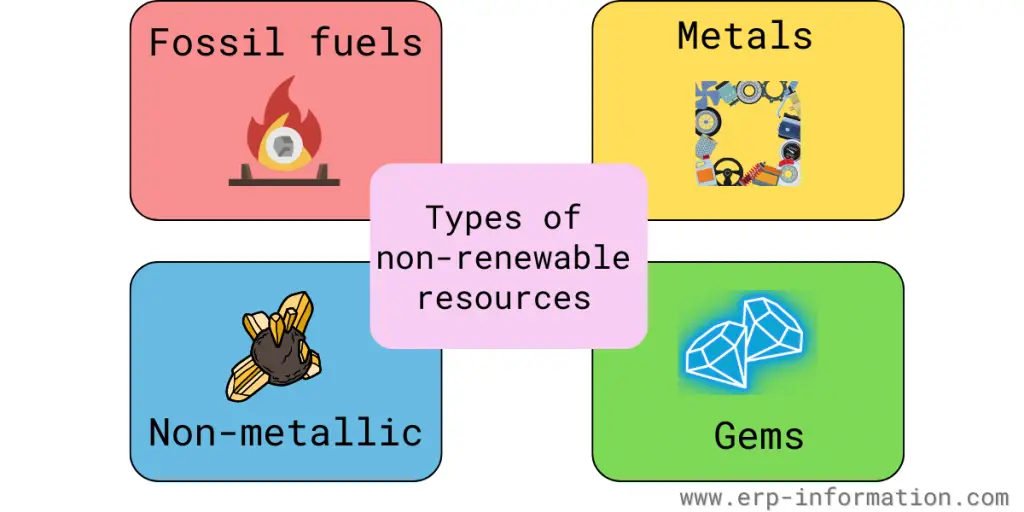
These are the big players, the rock stars of the non-renewable world. We're talking about coal, oil (petroleum), and natural gas. These bad boys are formed from the remains of ancient plants and animals (think dinosaurs... rawr!). They’ve been squished and squeezed and transformed over millions of years into energy-rich goodies.
We burn them to power our cars, heat our homes, and generate electricity. Basically, they’re the unsung heroes (or maybe not so unsung, given all the environmental discussions) behind a lot of what we do.
Think about your commute. That car chugging along? Probably running on gasoline, which is derived from oil. That cozy feeling you get when you crank up the thermostat in winter? That's likely natural gas or heating oil at work. Even your phone, charging away, relies on electricity that might have been generated by burning coal.
Coal: The OG of Energy
Coal is that old reliable friend, always there but maybe not the flashiest. It’s used primarily to generate electricity. It's like that comfy, slightly worn-out sweater you always reach for on a cold day. It gets the job done.
But burning coal isn't exactly environmentally friendly. It releases pollutants into the air, contributing to air pollution and climate change. Think of it as your comfy sweater accidentally triggering your allergies. Reliable, but with consequences.
Oil (Petroleum): More Than Just Gasoline
Oil is the versatile player on the team. Not only does it give us gasoline for our cars, but it’s also used to make plastics, lubricants, and a whole bunch of other things we use every day. It's like that Swiss Army knife you keep in your drawer – always useful in unexpected ways.

However, extracting and transporting oil can be tricky and sometimes… messy (think oil spills. Yikes!).
Natural Gas: The Clean-ish Option
Natural gas is often touted as a "cleaner" fossil fuel compared to coal and oil, as it produces fewer pollutants when burned. It's used for heating, cooking, and generating electricity. It’s like opting for a salad over a double cheeseburger – a slightly healthier choice, but still not exactly kale and quinoa.
Nuclear Energy: The Controversial Cousin
Now, this one's a bit of a debate starter. Nuclear energy uses uranium, a non-renewable resource found in the Earth's crust, to generate electricity. It doesn't produce greenhouse gases like fossil fuels do, but it does create radioactive waste, which needs to be stored safely for thousands of years. It's like having a super-powered, highly efficient appliance that comes with a complicated instruction manual and a few potential safety hazards.

Think about the Simpsons. Remember the Springfield Nuclear Power Plant? Okay, maybe don't entirely base your understanding of nuclear energy on a cartoon, but it highlights the general perception: powerful, but requires careful management.
Why Should We Care?
Because, like that last slice of pizza, these resources are finite. Once they're gone, they're gone. Over-reliance on them also contributes to environmental problems like climate change, air pollution, and habitat destruction. Think of it as throwing a really awesome party, but trashing your house in the process. Fun in the short term, but a mess to deal with later.
The good news is, we're not doomed! There are plenty of renewable energy sources – like solar, wind, and hydro power – that can help us transition to a more sustainable future. It's like learning to cook healthy meals instead of always ordering takeout. It takes some effort, but it's worth it in the long run. So, let's all do our part to conserve these resources and embrace a greener tomorrow!