What Are End Mills Used For
Ever gazed at the perfectly smooth curve of your smartphone, or wondered how a custom engine part gets its intricate grooves? Chances are, you've been admiring the handiwork (or rather, machine-work) of something called an end mill. Sounds a bit mysterious, right? Like a secret agent of manufacturing? Well, in a way, it is! Let's pull back the curtain and peek into the fascinating world of what end mills are used for.
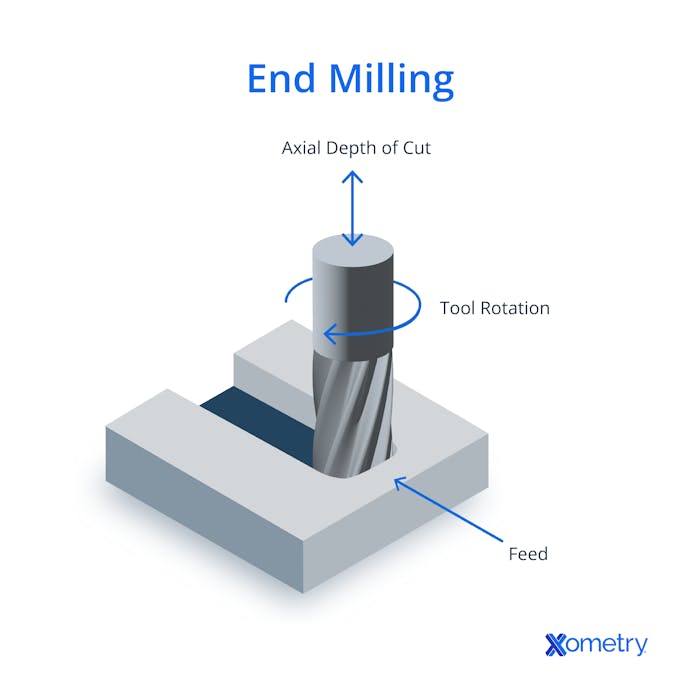
At its heart, an end mill is a cutting tool. But not just any cutting tool. Think of it less like a simple drill bit that just punches holes, and more like a tiny, super-precise sculptor's chisel for industrial-grade materials. Its main gig? To remove material from a workpiece, creating everything from flat surfaces and intricate slots to complex 3D contours and deep pockets.
What Makes an End Mill So Special?
Unlike a drill bit, which primarily cuts downwards, an end mill is designed to cut in multiple directions – downwards, sideways, and even upwards! This versatility is what makes it such a powerhouse in manufacturing. Imagine trying to carve a delicate design into a block of metal with just a regular drill. Impossible, right? That's where our hero, the end mill, steps in.
Must Read
They work in conjunction with machines like a CNC (Computer Numerical Control) mill. Picture a highly skilled artisan, but instead of hands, they have incredibly accurate robot arms, and instead of a carving knife, they use an end mill. The CNC machine precisely guides the end mill along a programmed path, shaving away material layer by layer, until the desired shape emerges. It's like magic, but with a lot of math and engineering!
Where Do These Marvels Show Up?
You might be surprised just how often end mills touch our lives. They're the unsung heroes behind countless objects we use every single day. Let's explore some cool examples:

- Your Gadgets: That sleek aluminum casing of your laptop or the internal components of your smartwatch? Very likely shaped by an end mill. They create the precise cutouts for buttons, ports, and internal chambers.
- Automotive Parts: From engine blocks and transmission components to the molds for dashboards and intricate brackets, end mills are essential. They ensure parts fit together perfectly, which is pretty crucial when you're going 70 mph!
- Aerospace Wonders: Think about aircraft parts – they need to be incredibly strong yet lightweight, and fit with extreme precision. End mills craft turbine blades, structural components, and even satellite parts with mind-boggling accuracy.
- Medical Devices: Need a custom implant or a highly specialized surgical instrument? End mills can machine incredibly intricate shapes in biocompatible materials, contributing to life-saving technology.
- Molds and Dies: Ever wondered how plastic toys, bottle caps, or even metal car panels get their shape? End mills are used to create the molds and dies that then stamp or inject molten material into those familiar forms. It's like they're making the cookie cutters for all the world's cookies!
- Custom Fabrication: Artists, designers, and hobbyists use smaller CNC machines with end mills to create bespoke signs, intricate wooden carvings, custom metal brackets, and unique prototypes.
It's Not Just One Tool; It's a Whole Family!
Just like a carpenter has different chisels for different jobs, there's a whole family of end mills, each designed for a specific task. Here are a few common types:
Flat End Mills (aka Square End Mills)
These are the workhorses. Imagine a tiny, multi-fluted cylindrical cutter with a flat bottom. They're perfect for creating flat surfaces, square shoulders, and precise slots or pockets with crisp, 90-degree corners. If you need a perfectly flat bottom in a recess, this is your go-to.

Ball End Mills
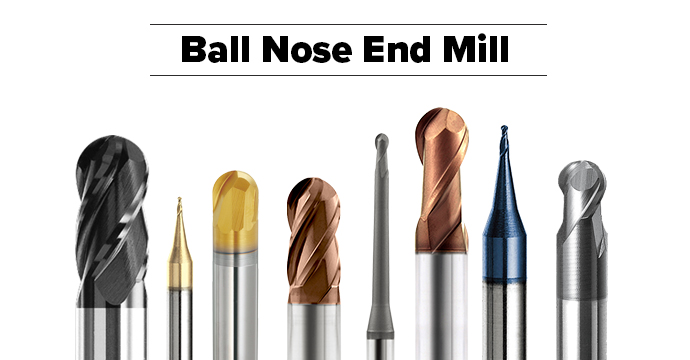
As the name suggests, these have a rounded, spherical tip. Think of them as tiny, industrial-strength ballpoint pens for metal. They're fantastic for machining curved surfaces, 3D contours, and smooth, flowing shapes. Perfect for sculpting intricate molds or creating aesthetic curves on parts.
Roughing End Mills (aka Hogging Mills)
These look a bit like a corn cob! They have serrated edges designed to remove a lot of material very quickly, but not with extreme precision. Think of them like the bulldozer of the end mill world – they get rid of the bulk material efficiently. Once the roughing mill has done its job, a finishing end mill (like a flat or ball end mill) comes in to create the smooth, precise final surface. It’s a bit like taking off big chunks with an axe before you start carving with a fine knife.
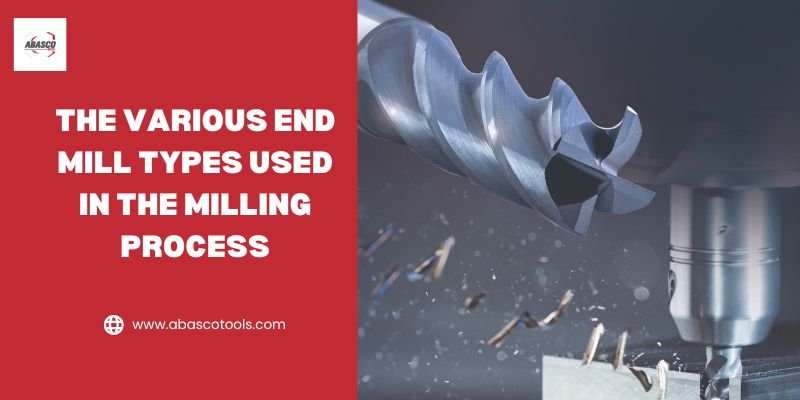
There are many other specialized types, of course, but these three give you a great sense of the variety and purpose-built design inherent in these tools.
The Takeaway? They're Everywhere!
So, the next time you marvel at the seamless design of a product, or wonder about the perfect fit of a component, take a moment to appreciate the humble yet mighty end mill. These incredible tools, guided by precise machinery, are continuously shaping our modern world, turning raw materials into the sophisticated, intricate, and often beautiful objects that surround us. Pretty cool, right? It's a testament to human ingenuity and precision engineering working in perfect harmony.