What Are Considered Utilities For Tax Purposes

Ever looked at your monthly bills and felt a pang of… well, something? Maybe it's dread. Maybe it's resignation. But have you ever looked at them and thought, “Hey, these could be tax deductible!” Probably not. Because, let's face it, taxes are about as fun as watching paint dry (unless you’re a paint enthusiast, in which case, rock on!). But hold on to your hats, folks, because we’re about to talk about utilities and, believe it or not, they can sometimes tango with your tax return.
The Usual Suspects: Your Everyday Essentials
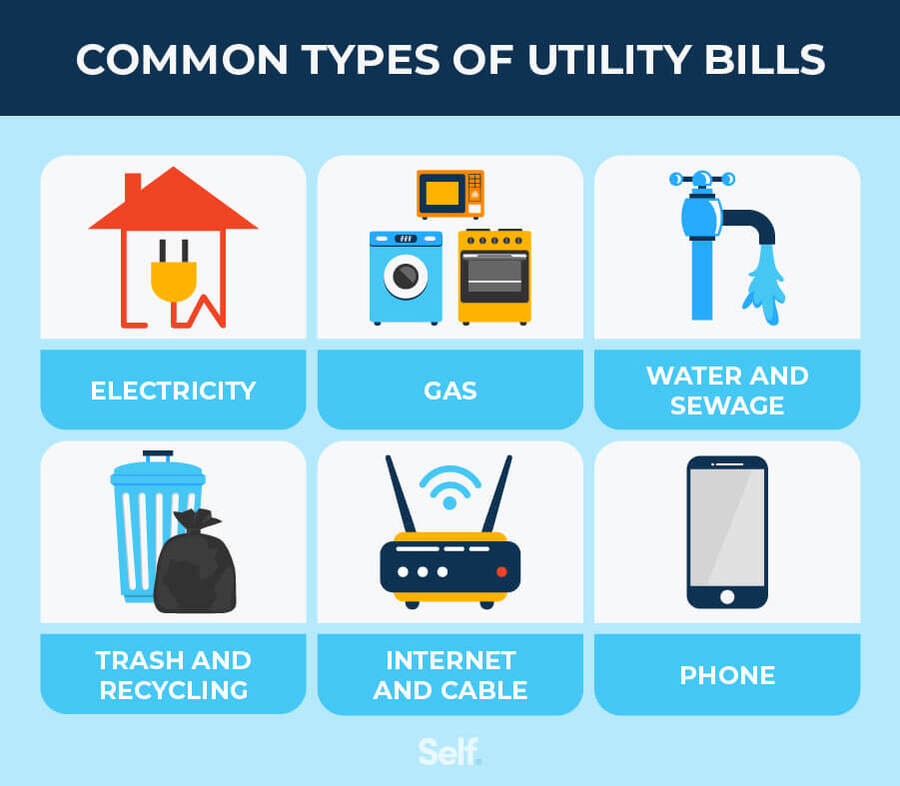
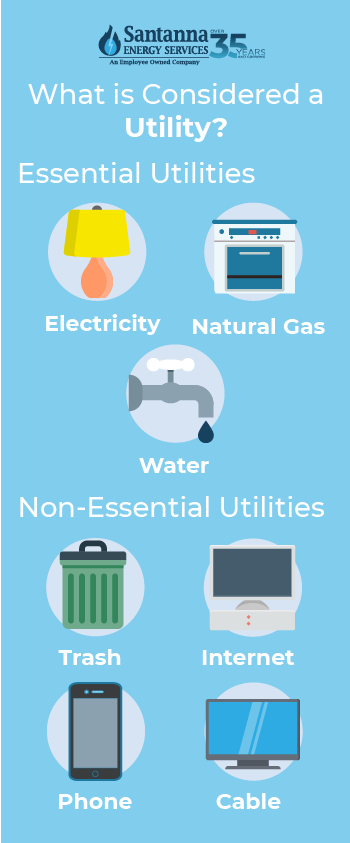
Okay, so what exactly are we talking about when we say "utilities"? Think about the things you absolutely need to keep the lights on, the oven running, and your Netflix streaming. We’re talking about:
- Electricity: The juice that powers your world. Literally.
- Gas: For cooking, heating, and maybe even that fancy outdoor grill you only use twice a year.
- Water: Essential for, you know, surviving. Also, for those long, luxurious bubble baths you deserve.
- Sewer: Let’s just say we’re all grateful it exists.
- Trash Collection: Because who wants a mountain of smelly garbage in their backyard? Not me!
These are the heavy hitters, the stalwarts of the utility world. The ones that keep our modern lives humming along. But here’s the kicker: for most of us, these aren’t directly deductible on our personal income tax returns. Bummer, right? Don't lose hope yet!
Must Read
The Plot Thickens: When Utilities Become Tax-Savvy
So, when do utilities become tax deductible? Well, it usually involves a bit of a plot twist. Picture this:
- Home Office Deduction: Ah, the holy grail of the self-employed! If you use a portion of your home exclusively and regularly for your business, you can deduct a percentage of your utility costs. Think of it this way: the IRS is essentially chipping in for your home office electricity bill. Just be sure to keep accurate records!
- Rental Properties: Landlords, rejoice! Utilities paid for your rental properties are generally deductible. This is because they're considered an expense related to running your business (being a landlord). Just remember to keep those receipts organized!
- Business Use: Maybe you run a bakery out of your kitchen (ambitious!). Or perhaps you have a workshop in your garage. To the extent you use utilities for business purposes, you can deduct those expenses. The key is to accurately allocate the costs between personal and business use.
It all boils down to business use. If your utilities are directly tied to generating income, you're in the game. If they're solely for personal enjoyment (like those aforementioned bubble baths), you’re probably out of luck. But hey, the bubble bath was worth it, right?
The Nuances: A Few Things to Keep in Mind
Now, before you start dreaming of tax refunds and early retirement, let’s temper expectations with a dose of reality.
- Keep Good Records: This is tax advice 101. If you plan on deducting utility expenses, you must keep accurate records. This includes bills, receipts, and documentation showing how you calculated the business use percentage. The IRS loves documentation. Treat it like your best friend.
- Consult a Tax Professional: Taxes can be complicated, and everyone’s situation is different. If you’re unsure about whether you can deduct your utilities, consult with a qualified tax professional. They can provide personalized advice and help you navigate the murky waters of the tax code.
In conclusion, while your everyday utilities might not seem like a tax-deductible goldmine, they can offer some tax relief if you use them for business purposes. The key is to understand the rules, keep good records, and seek professional advice when needed. And who knows, maybe understanding this tiny corner of the tax world will make those monthly bills feel just a little bit less… dreadful.
Now, if you’ll excuse me, I'm going to go take a bubble bath. Purely for personal enjoyment, of course. No tax deduction here!