What Are All Types Of Engineers
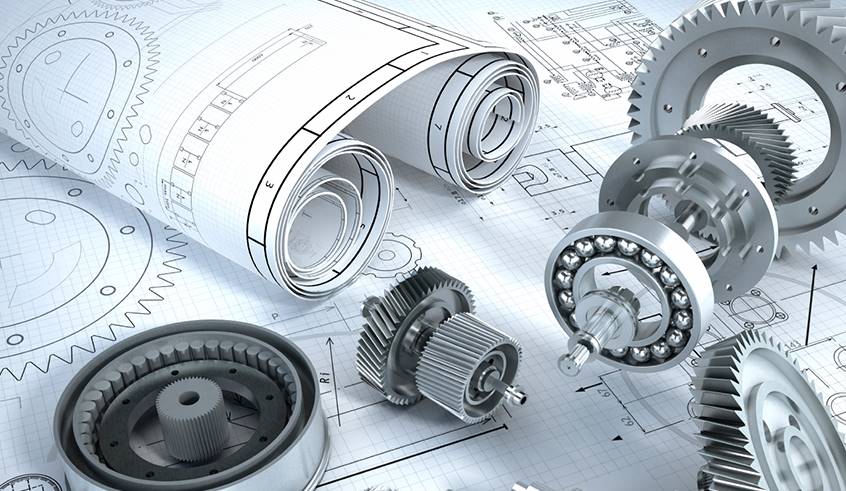
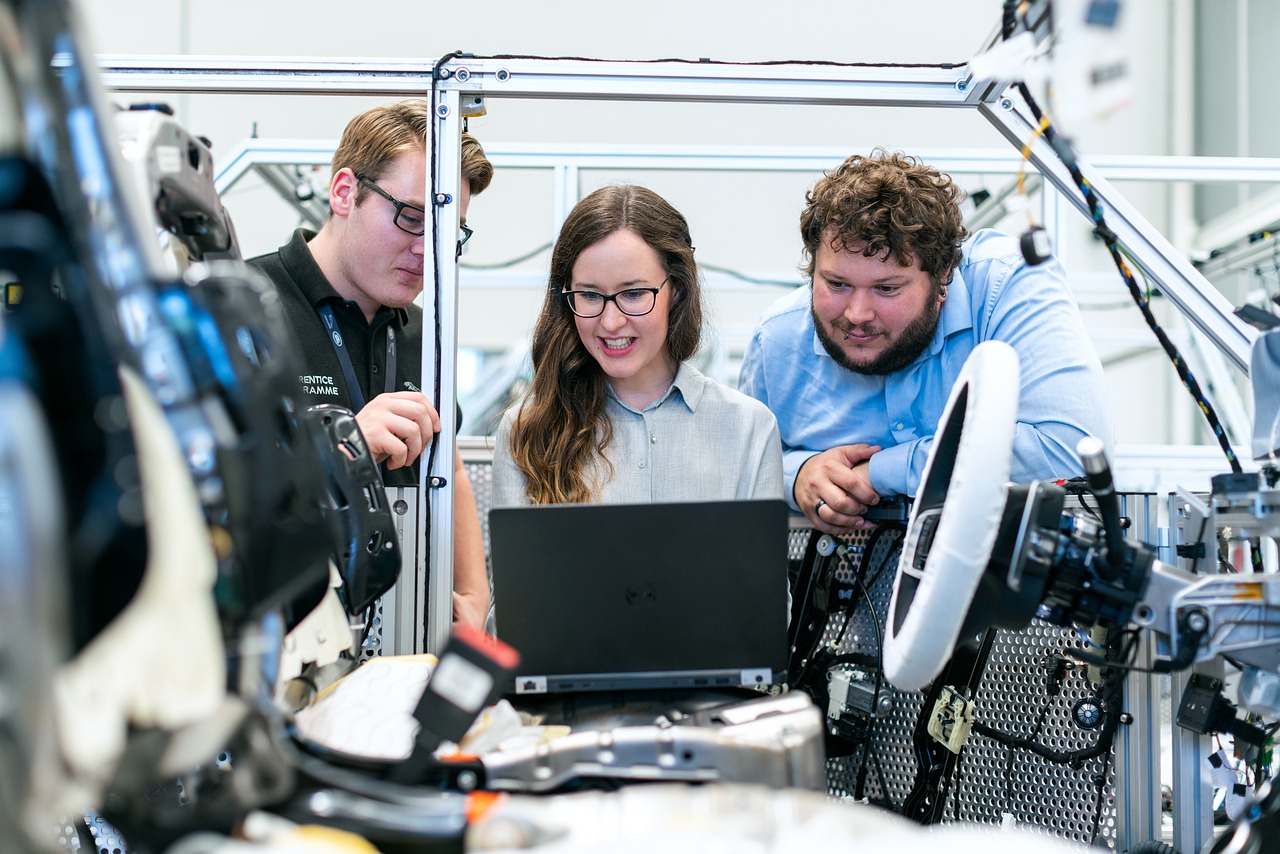
Have you ever stopped to wonder who designs the amazing phone you're holding, the towering bridge you drive over, or even the incredible roller coaster that makes your heart race? If so, you're already tapping into the fascinating world of engineering! It's not just about math and science; it's about creativity, problem-solving, and making our world a better, more functional, and often more exciting place. Exploring the different types of engineers is like peeking behind the curtain of innovation, revealing the incredible minds that build the future.
Understanding this vast field is super beneficial for all sorts of people. For beginners, especially students or young adults, it's a fantastic way to discover potential career paths you might never have considered. It broadens your horizons beyond just the most common jobs. For families, it's a wonderful topic for sparking curiosity in children, helping them see the real-world applications of what they learn in school, and inspiring them to think about how things work. And for the generally curious hobbyist, it simply offers a deeper appreciation for the ingenuity embedded in everyday objects and grand structures alike. It’s about appreciating the sheer human brilliance that surrounds us.
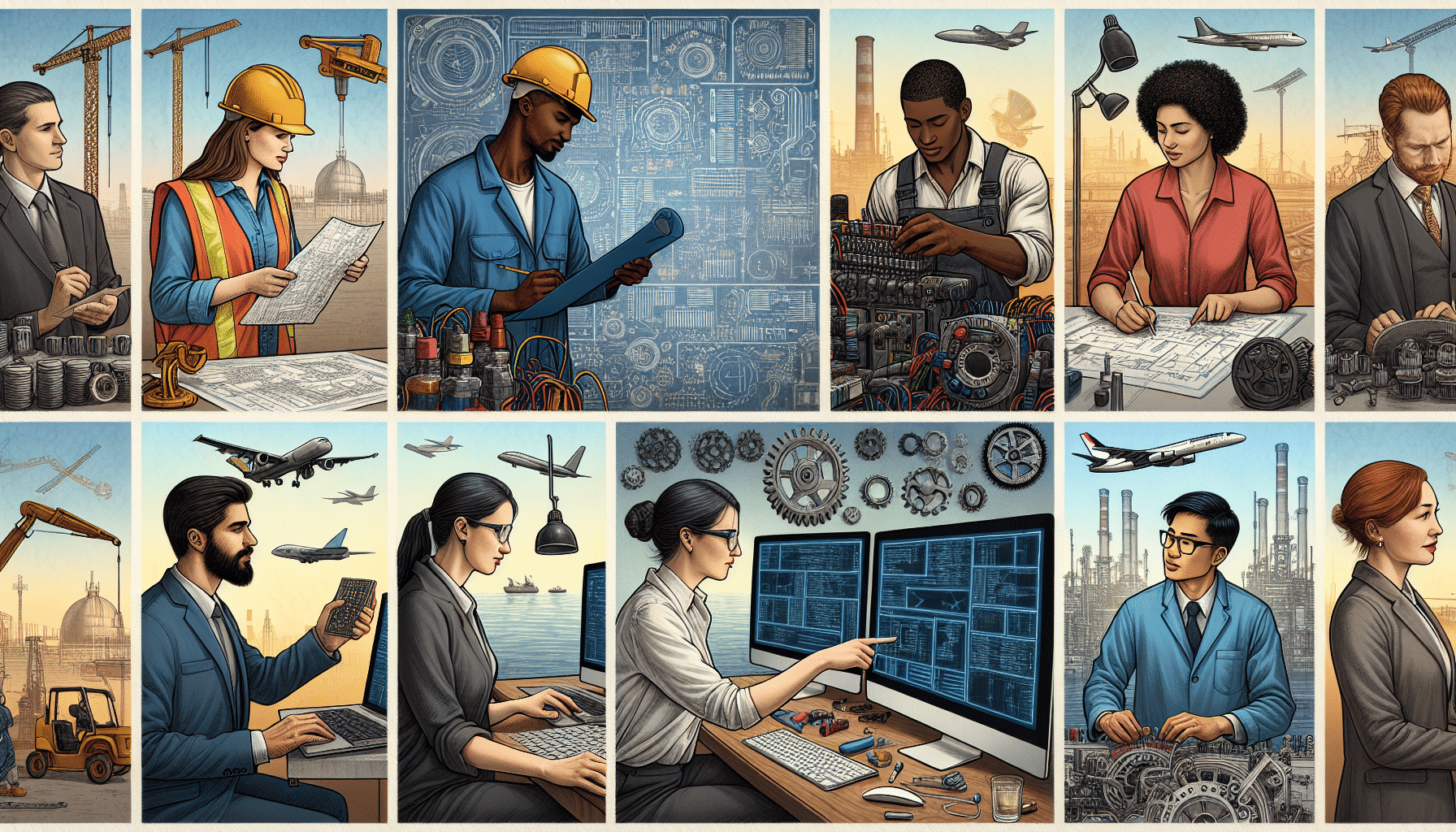
So, what kind of engineers are out there? It's a truly diverse bunch! You've got Civil Engineers, who design and build our roads, bridges, buildings, and water systems – essentially the backbone of our cities. Then there are Mechanical Engineers, who are all about things that move, from engines and robots to heating and cooling systems in your home. Think cars, planes, and factory machines. Electrical Engineers focus on electricity, electronics, and electromagnetism, designing everything from power grids to microchips in your computer and smartphone. Closely related are Computer Engineers, who blend electrical engineering with computer science to design computer hardware and software systems.
Must Read
But the list goes on! Chemical Engineers transform raw materials into useful products, working in industries that make everything from medicines and fuels to food and plastics. Ever flown in a plane or dreamed of space travel? Thank an Aerospace Engineer, who designs aircraft and spacecraft. For those interested in health, Biomedical Engineers combine engineering principles with biology and medicine to create medical devices, prosthetics, and new healthcare technologies. And let's not forget Environmental Engineers who tackle issues like pollution control and sustainable resource management, or Software Engineers who write the code that powers our digital world. Each type plays a vital, unique role in shaping our existence.

Ready to dive in? Getting started is easier than you think. First, simply observe the world around you and ask "how does that work?" or "who made that?" Try some hands-on fun: build with LEGOs, tinker with simple electronic kits, or even design and fold different paper airplanes. Many great engineers started by playing! You can also watch engaging documentaries or YouTube channels that explore scientific and engineering concepts in an accessible way. Look for local STEM (Science, Technology, Engineering, Math) clubs or camps, which are fantastic for hands-on learning. Don't be afraid to experiment and break things (safely, of course!) – that's often how we learn the most.
Ultimately, understanding the vast world of engineering is incredibly rewarding. It’s a journey that reveals the ingenuity behind almost everything we see, use, and enjoy. It truly highlights humanity's endless capacity for innovation and problem-solving. So, keep that curiosity alive and keep exploring – the world of engineering is full of wonders just waiting to be discovered!