
What Are All The Energy Sources
You know that heart-stopping moment? The one where you're mid-text, about to send that super important meme, or maybe you're navigating using GPS, and suddenly... your phone screen goes black. Yup. Dead. Gone. And with it, a tiny piece of your soul, right?
That immediate panic, that feeling of being utterly cut off, disconnected – it's a small-scale version of what the entire world would feel if it suddenly ran out of juice. Because, let's face it, everything needs energy. From boiling your morning coffee to scrolling through endless cat videos, from lighting up cities to powering rocket launches, energy is the invisible force making it all happen.
So, where does all this magical, world-driving energy actually come from? Let's dive in, shall we? You might be surprised by the sheer variety!
Must Read
The Old Guard: Fossil Fuels (The OG, but with a Catch)
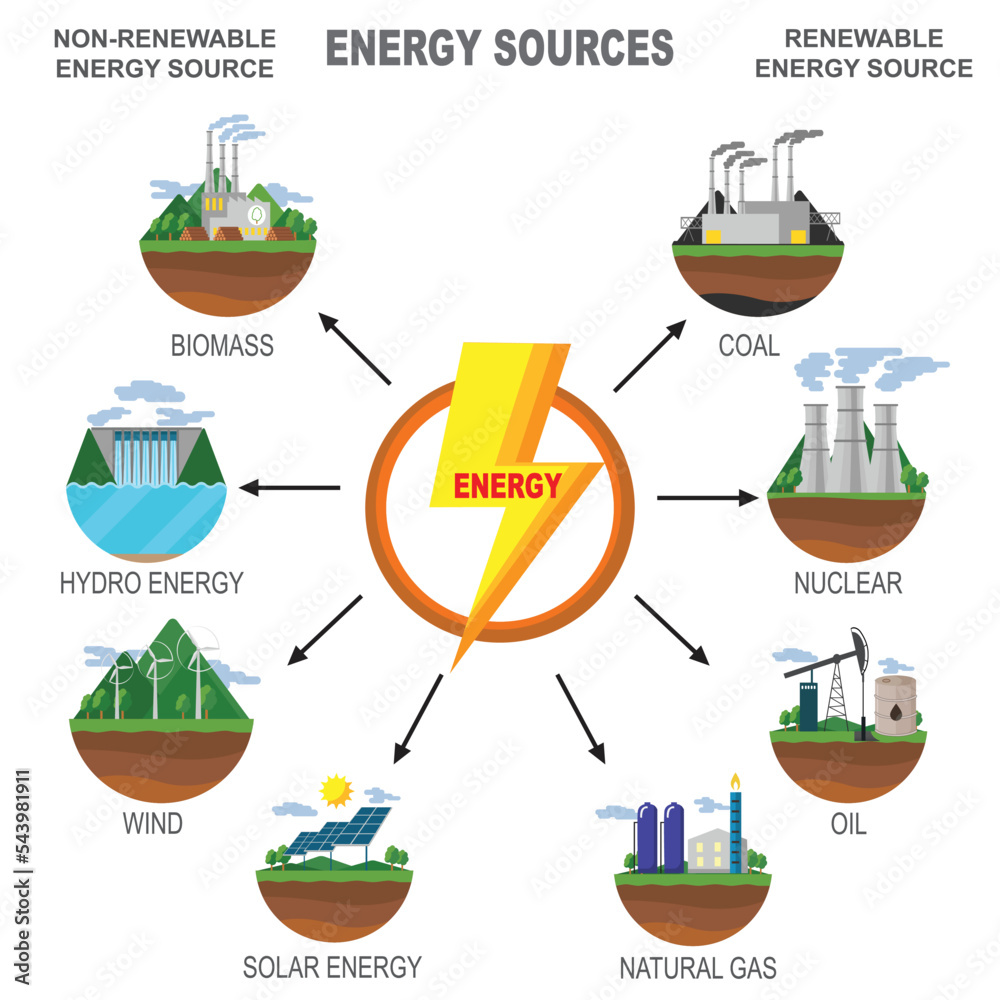
First up, we have the old faithfuls, the workhorses that built much of the modern world. These are the fossil fuels, and they're basically ancient sunlight stored up in decayed organic matter over millions of years. Pretty wild, when you think about it.
There's Coal: chunky black stuff, essentially super-compressed ancient forests. We burn it to boil water, make steam, and spin turbines. Simple, effective, but turns out, lighting a huge chunk of ancient forest on fire isn't the most eco-friendly dinner party trick for our atmosphere.

Then we have Oil (or petroleum): the liquid gold. This comes from ancient marine organisms, cooked and squeezed deep underground. It powers our cars, planes, and produces everything from plastics to medicines. Super versatile, but also super messy when it spills, and still pumps out those lovely greenhouse gases.
And let's not forget Natural Gas: often found alongside oil. It’s mostly methane, and it burns cleaner than coal or oil. It's great for heating homes and generating electricity, but hey, it's still a fossil fuel, and leaks of methane (a potent greenhouse gas) are a concern. The big takeaway here? These guys are finite. We're burning through millions of years of stored energy like there's no tomorrow... which, if we're not careful, might actually be the case for their supply!
The Atom's Secret: Nuclear Energy
Moving on, we get to something a bit more... atomic. Nuclear energy. This isn't about burning anything; it's about splitting atoms, usually uranium, in a process called fission. When those atoms split, they release a ton of heat, which, you guessed it, boils water to make steam to spin turbines. Boom! Electricity.

The upside? It produces massive amounts of power and, crucially, creates almost zero greenhouse gas emissions during operation. Pretty cool, right? The downside? Well, there's that pesky radioactive waste that needs to be stored safely for thousands of years, and the teeny-tiny, but very real, risk of accidents like Chernobyl or Fukushima. So, it's a bit of a double-edged sword, but a powerful one nonetheless.
Hello Sunshine! The Renewables Revolution
Now, let's talk about the rock stars of the energy world, the ones that don't run out (at least not on human timescales) and have a much lighter touch on our planet. These are the renewables!
First up, Solar Power: direct from the sun! Photovoltaic panels on roofs (or in huge fields) convert sunlight directly into electricity. It's literally harnessing the power of the star that gives us life. How cool is that? The sun isn't going anywhere for a few billion years, so we're good there.
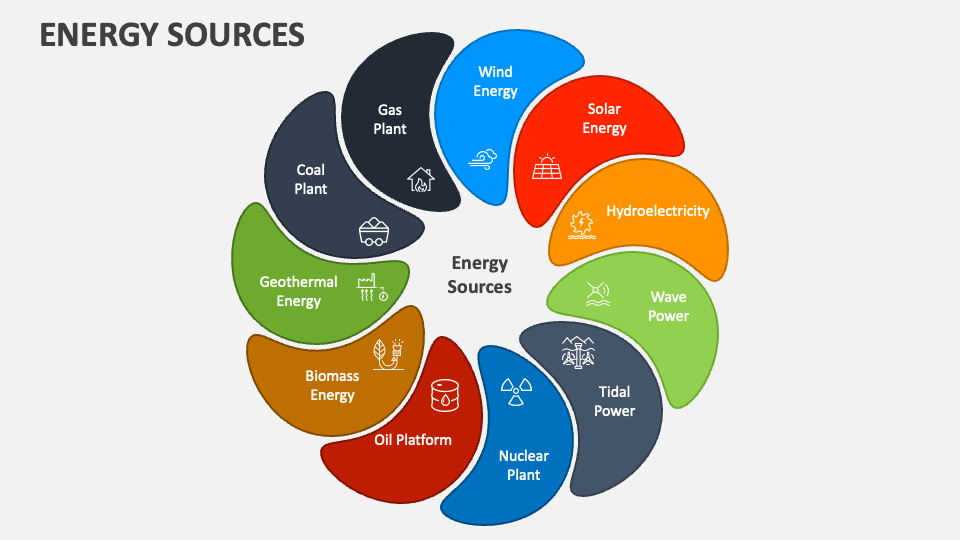
Then there's Wind Power: those elegant, giant turbines you see dotting landscapes or out at sea. They simply capture the kinetic energy of the wind and convert it into electricity. It's clean, abundant, and looks pretty futuristic, if you ask me!
Hydroelectric Power uses the force of moving water, usually by building dams on rivers. As water rushes downhill, it spins turbines. It's incredibly reliable and powerful, though damming rivers can have significant environmental impacts on ecosystems.
Digging a bit deeper, literally, we have Geothermal Energy. This taps into the Earth's internal heat. Think hot springs and volcanoes! We drill down, extract steam or hot water, and use it to generate electricity or directly heat buildings. It's like having a giant, natural furnace under our feet, which is pretty amazing.
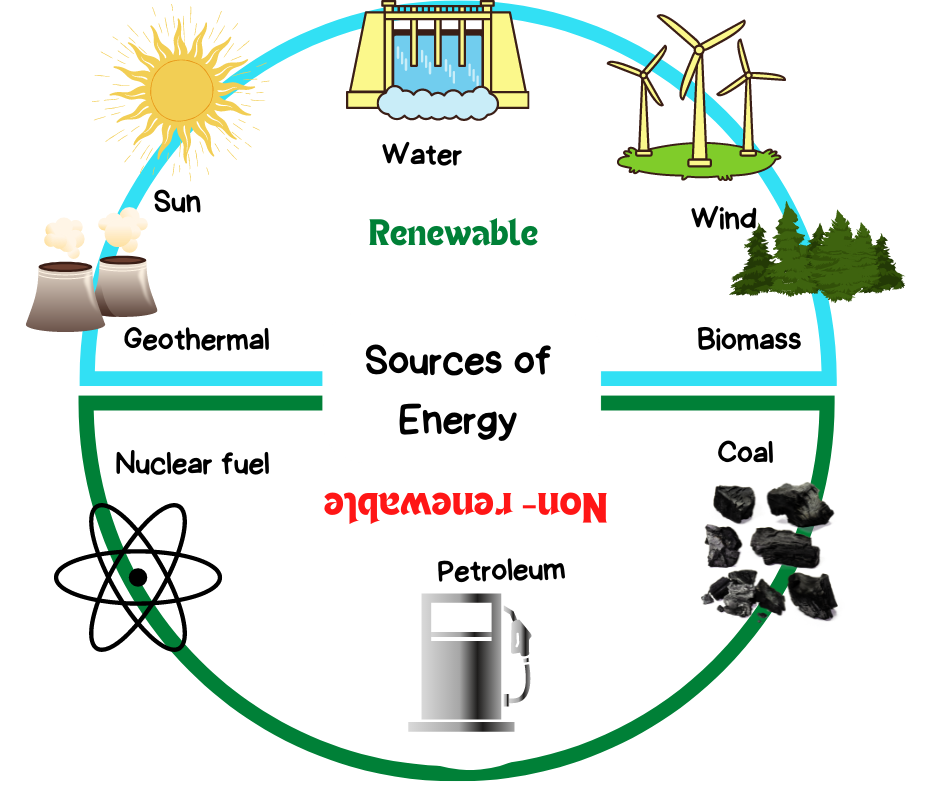
Finally, there's Biomass and Biofuels. This involves using organic matter – wood, agricultural waste, specific energy crops – either by burning it directly for heat/electricity, or converting it into liquid fuels like ethanol. It's like Mother Nature's own energy bar, but sometimes you just burn it. The trick here is making sure what we harvest grows back quickly, making it sustainable.
The Big Picture (and a Peek into the Future)
So, there you have it! A whirlwind tour of where we get all our energy. From ancient forests to splitting atoms, from sunshine to the Earth's core, it's a wonderfully diverse and complex puzzle. Each source has its unique advantages and challenges, and the truth is, we need a mix of all of them (with a strong lean towards renewables!) to power our increasingly hungry world.
The journey to a sustainable energy future is ongoing, and it's a fascinating one to watch, don't you think? Maybe next time your phone dies, you'll think a little bit more about the incredible forces that could have kept it alive!