
What Are Advantages Of Non Renewable Resources
Okay, picture this: You’re camping. Roasting marshmallows, telling spooky stories, the whole shebang. Suddenly, the propane tank for your little portable stove runs out. Disaster! Now, you could spend an hour gathering dry wood and trying to coax a fire from damp twigs. Or, you could have just brought an extra propane tank. (Lesson learned, right?)
That little camping snafu got me thinking… we often hear about how awesome renewable resources are (solar panels! wind turbines! woo!), but what about the good ol’ non-renewable guys? Are they completely useless? Surprisingly, no. There are, dare I say, advantages. Let's dive in.
Before we get flamed, let's be clear: I'm not saying non-renewable resources are better than renewables in the long run. Sustainable is the name of the game, ultimately. But acknowledging the perks of what we're currently using helps us understand the transition we’re making.
Must Read
The Biggie: Existing Infrastructure
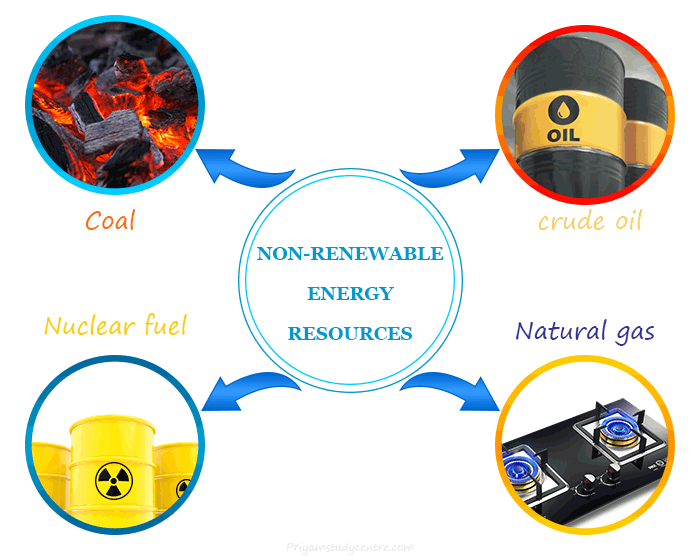
This is HUGE. We've spent decades, if not centuries, building pipelines, power plants, refineries, and entire economies around fossil fuels like oil, natural gas, and coal. You can’t just snap your fingers and replace all that overnight. (Trust me, I’ve tried. My apartment still runs on electricity.)
Switching to renewables requires a massive overhaul – new infrastructure, new technologies, new everything! And that takes time, money, and a whole lot of planning. Meanwhile, the old system? It’s still… well, working. Imperfectly, but working. Think of it as driving your old, reliable (but gas-guzzling) car while you save up for that shiny new electric vehicle.
Energy Density: Pack a Punch!
Non-renewable resources, particularly fossil fuels, have incredibly high energy density. This means you get a LOT of energy from a relatively small amount of fuel. Think about it: a gallon of gasoline can power your car for quite a distance. Try doing that with a gallon of sunshine. (Spoiler alert: it won’t work.)
This high energy density makes them incredibly useful for applications where portability and power are crucial. Airplanes, for example, rely on jet fuel. Electric planes are being developed, but they aren't exactly ready for long-haul flights just yet. Similarly, large-scale industries often depend on the intense heat generated by burning coal or natural gas.
Reliability: When You Need It, You Got It!
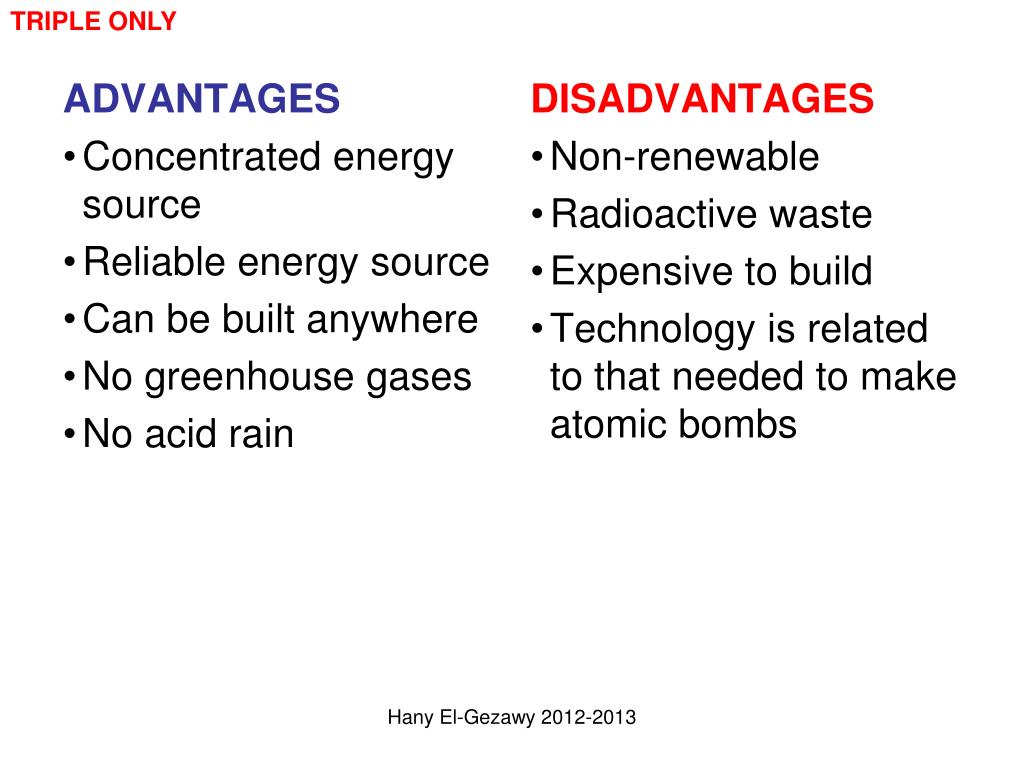
Okay, so the sun isn't shining? The wind isn't blowing? Guess what? Your coal-fired power plant doesn't care. It just keeps churning out electricity. Non-renewable energy sources are generally more reliable than renewables, which are often intermittent. This reliability is crucial for maintaining a stable and consistent power supply.
Of course, we can use battery storage to address the intermittency of renewables, but that adds complexity and cost to the equation. (And batteries aren't exactly environmentally neutral to produce, are they?). So while we’re figuring out better storage solutions, having the reliability of non-renewables provides a buffer.

Economic Considerations: For Better or Worse
Let's be honest, non-renewable resources have historically been relatively cheap (though prices fluctuate wildly, I know). This has fueled economic growth and made energy more accessible to a larger portion of the population. (I'm not saying it's a fair distribution, just that it's been relatively affordable in many cases).
Switching to renewables requires significant upfront investment, which can sometimes make them appear more expensive in the short term. (Remember, we're talking economics, not necessarily long-term sustainability). Governments often offer subsidies and incentives to make renewables more competitive, but the transition can still be economically challenging.

The Flip Side (Because There’s Always a Flip Side)
Now, before anyone accuses me of being a fossil fuel apologist, let's not forget the HUGE downsides: pollution, climate change, depletion of resources… the list goes on. These are serious concerns that outweigh the short-term advantages in the long run. The long game is sustainability, no doubt about it.
But understanding the advantages, even as we work to overcome the disadvantages, helps us make informed decisions about our energy future. It’s about acknowledging the complex reality of the situation, not just blindly demonizing one side or the other.
So, yeah, non-renewable resources have some perks. But let's keep that extra propane tank as a backup plan, not the main course, alright?