What Are Advantages And Disadvantages Of Nuclear Power
Alright folks, buckle up! We're diving headfirst into the wonderful, sometimes wacky, world of nuclear power. It's got the potential to be a superhero in our quest for clean energy, but like any good superhero, it's got its quirks and weaknesses. Let's explore the ups and downs in a way that hopefully won't make your head explode (unlike, you know...certain nuclear scenarios we're trying to avoid!).
The Shiny, Happy Advantages: Why Nuclear is Kinda Awesome
Powerhouse Production!
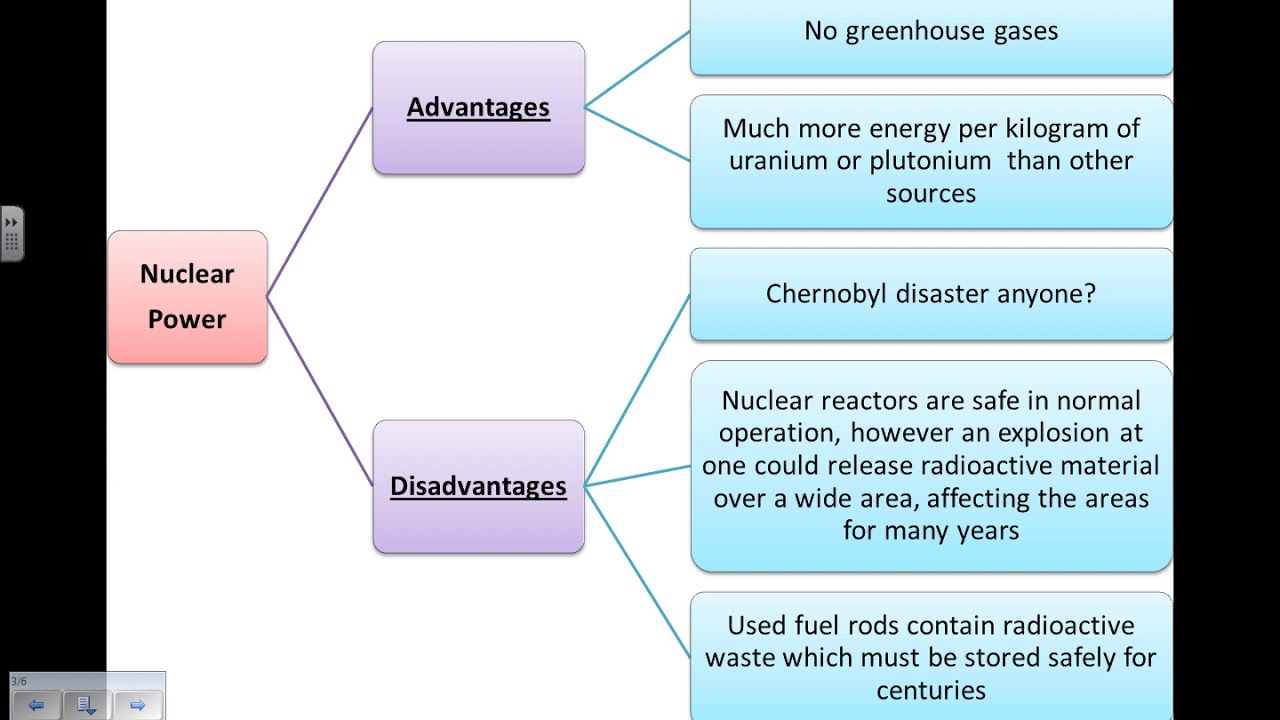
Imagine a tiny little pellet, smaller than your pinky nail. Now imagine that pellet powering your entire house for, like, a year. That's essentially the magic of nuclear fuel! A small amount creates a massive amount of energy. We're talking about serious power here, folks. Think of it as the energy equivalent of a thousand squirrels on tiny treadmills… except, you know, without the squirrel union complaints.
Reliability, Baby!
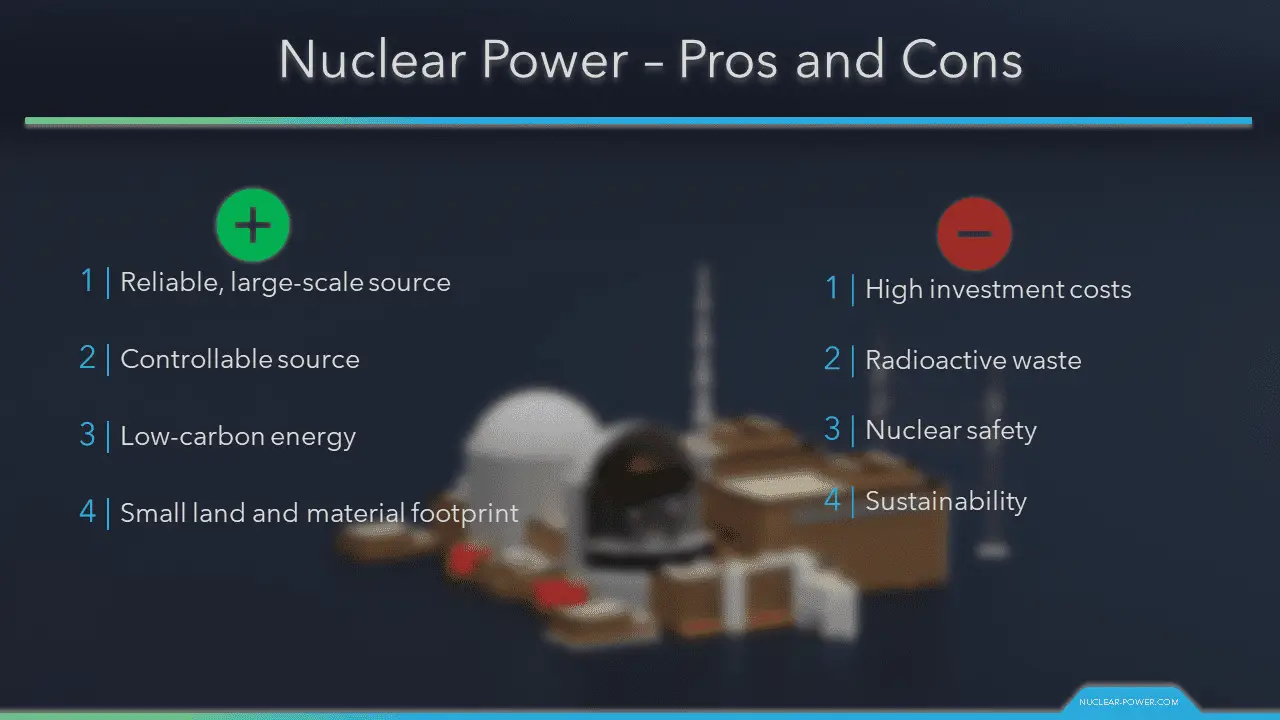
Unlike solar panels that need sunshine (duh!) and wind turbines that need wind (double duh!), nuclear power plants are pretty darn reliable. They can hum along day and night, rain or shine, even when your neighbor's convinced it's the zombie apocalypse and forgot to pay their electricity bill. This consistent energy production makes it a dependable backbone for our power grid. Think of it as the sturdy, unflappable friend you can always count on to drive you home after a questionable karaoke night.
Must Read
Relatively Clean Air (Emphasis on "Relatively")
Here's the big one: no greenhouse gases! Nuclear power doesn't spew out the same carbon dioxide and other nasties that fossil fuel plants do. This helps reduce air pollution and combat climate change. It's like switching from a gas-guzzling monster truck to a sleek, electric car... a car that runs on the power of carefully controlled atomic reactions, of course.
Fuel Availability
While uranium (the fuel for most nuclear reactors) isn't infinite, it's pretty plentiful. We have significant reserves around the world, ensuring a relatively stable fuel supply for decades to come. That means less reliance on unpredictable fossil fuel markets. Think of it as having a well-stocked pantry instead of having to rely solely on that one grocery store that's always out of your favorite brand of peanut butter.

The Uh-Oh Disadvantages: When Nuclear Gets a Little Dicey
The Waste Issue: A Radioactive Elephant in the Room
Okay, let's be real. Nuclear waste is a big problem. After the uranium has done its job, it becomes radioactive waste that needs to be stored safely for thousands of years. That's longer than the existence of pizza! Finding a permanent storage solution that everyone agrees on is... challenging. It's like trying to convince your cat to take a bath – good luck with that!
Accident Potential: The Scary Headlines
Chernobyl. Fukushima. These names send shivers down spines for a reason. While nuclear power plants are designed with multiple safety layers, accidents can happen, and when they do, the consequences can be severe. The risk is low, but the potential impact is high. It's like knowing there's a very small chance of winning the lottery... but also a very small chance of being struck by lightning while you buy the ticket.

Cost, Cost, and More Cost!
Building a nuclear power plant is incredibly expensive. We're talking billions of dollars! The initial investment is huge, and it takes a long time to recoup that investment. It's like buying a fancy, self-cleaning robot vacuum – it's amazing, but your wallet might cry a little (or a lot).
Proliferation Concerns: Playing with Dangerous Toys
The technology used in nuclear power can also be used to create nuclear weapons. This creates the risk that countries with nuclear power programs might try to develop weapons. It’s like giving a toddler a box of LEGOs – they might build something amazing, or they might create a chaotic mess that you’ll be stepping on for weeks.
So, there you have it: the good, the bad, and the slightly radioactive. Nuclear power is a complex issue with compelling arguments on both sides. Ultimately, deciding whether or not to embrace it is a decision that societies need to make carefully, weighing the risks and benefits. But hey, at least now you're armed with some knowledge to impress your friends at your next trivia night!