
What Are 3 Basic Types Of Destructive Testing
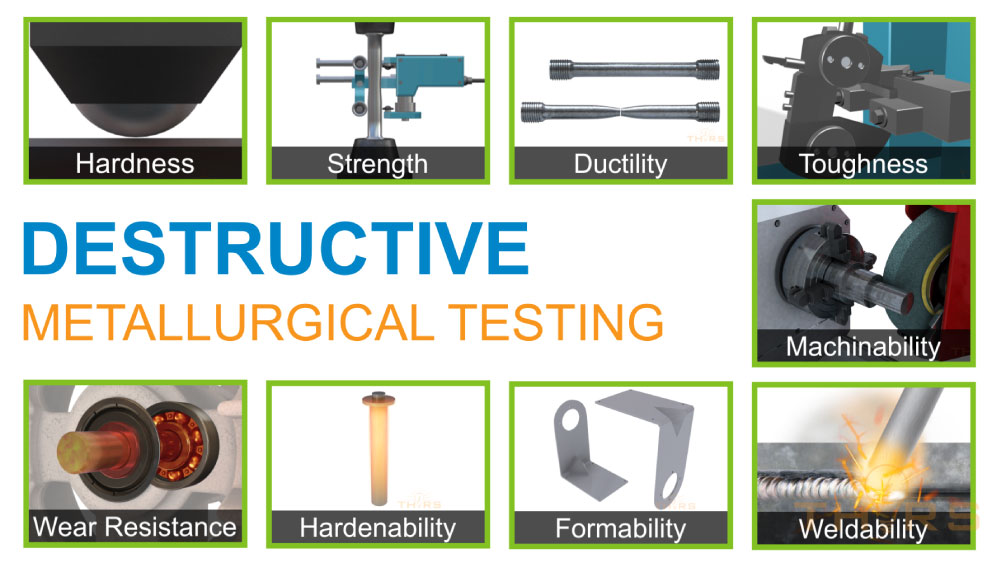
Ever wonder how they make sure bridges don't just... snap? Or that your phone can survive being dropped (again)? It's not just good luck and fairy dust! It often involves something called destructive testing.
Now, "destructive" sounds ominous, doesn't it? Like a toddler with a brand new box of crayons meeting a freshly painted wall. But don't worry, it's all in the name of science... and safety!
Let's dive into three types of destructive testing that might just surprise you.
Must Read
The Brute Force Approach: Tensile Testing
Imagine a medieval torture rack, but for metal (or plastic, or even fabric!). That's basically what a tensile test is.
A sample of the material you want to test is clamped at both ends and then... stretched! A machine steadily pulls and pulls, measuring how much force it takes to elongate the material and eventually, break it.
Think of it like pulling on a rubber band until it snaps. Except, instead of just getting a sore finger, you get data! This data tells engineers a lot about the material's strength, ductility (how much it can stretch before breaking), and elasticity (how well it returns to its original shape after being stretched).
It's like the ultimate stress test, only instead of worrying about deadlines, the material is worrying about impending doom. The information gathered is crucial. Imagine building a skyscraper with material that snaps at the first strong wind.

There's a strange beauty in watching something be deliberately destroyed. It's a kind of controlled chaos, revealing the hidden limits of the material. And hey, at least it's not your limits being tested!
The Hammer Time: Impact Testing
Next up, we have the aptly named impact test. This one is exactly what it sounds like: whacking something really hard with a hammer (or a standardized, calibrated hammer, to be precise).
There are a couple of common variations. One is the Charpy impact test, where a notched sample is struck by a pendulum. The other is the Izod impact test, where the sample is held vertically and struck from the side.
The amount of energy absorbed by the material during the impact tells engineers how tough it is. A material that shatters easily absorbs very little energy, while a material that bends or deforms absorbs more.
Think of dropping your phone. Hopefully, your screen survives! The plastic casing and the screen itself have undergone impact testing to ensure they can withstand a certain level of clumsiness.

It's a bit like watching a slow-motion car crash, except the "car" is a carefully prepared sample, and the "crash" is a controlled experiment. And the good news: nobody gets hurt, except maybe the sample's pride.
This is important for things that need to withstand sudden shocks, like vehicle bumpers, protective helmets, and even pipelines. You wouldn't want a pipeline to crack just because someone accidentally bumped it with a shovel, right?
It's also used to assess how materials behave at different temperatures. Imagine a bridge built with steel that becomes brittle in the winter. Not a fun thought!
The Slow Burn: Fatigue Testing
Finally, we have fatigue testing. This one is a bit more insidious than the others. It doesn't involve a single, dramatic break. Instead, it's about the slow, relentless accumulation of damage over time.
Imagine bending a paperclip back and forth, back and forth, back and forth. Eventually, it snaps, right? That's fatigue in action.
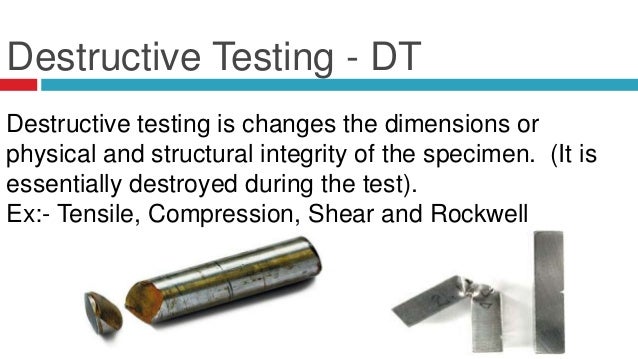
In fatigue testing, a sample is subjected to repeated cycles of stress. This could be bending, twisting, pulling, or even applying pressure. The stress is usually much lower than the material's ultimate strength, but over time, tiny cracks begin to form and grow until the material fails.
Think of airplane wings. They're constantly being subjected to stress as the plane flies, takes off, and lands. Fatigue testing is crucial to ensure those wings can withstand millions of cycles without failing mid-flight.
It's like watching a plant slowly wither and die, except instead of a plant, it's a carefully engineered component. And instead of sunlight and water, it's repeated stress causing the demise.
This type of testing can take a long time, sometimes weeks or even months, to get meaningful results. It's a test of patience, both for the material and the engineers running the experiment.
Fatigue testing is vital for components that experience repeated stress in their lifetime. Bridges, car suspensions, and even your refrigerator door hinges all benefit from this type of testing.
More Than Just Destruction
So, there you have it: three basic types of destructive testing. Tensile testing stretches things until they break, impact testing whacks things with a hammer, and fatigue testing slowly wears things down.
While these tests are destructive, they're also incredibly valuable. They help engineers design safer, more durable products that can withstand the rigors of everyday life. It's about making things better by intentionally breaking them.
And while it might seem a bit morbid to enjoy watching something be destroyed, there's a certain fascination in witnessing the limits of materials and the ingenuity of humans in pushing those limits.
Next time you see a bridge, a car, or even your trusty coffee mug, remember the unsung heroes of engineering: the materials that have been stretched, hammered, and stressed to their breaking point, all in the name of making your life a little safer and a little more reliable. Maybe even offer a silent "thank you" to the sacrificial samples!
It's a strange and wonderful world, isn't it? One where breaking things can actually make things stronger.