
What Appliances Qualify For Energy Tax Credit 2023
Ever feel a little thrill when you find a discount code or a hidden sale? Well, think of the 2023 energy tax credits as a big, green, money-saving secret just waiting to be unlocked! Understanding which appliances qualify isn't just about saving a few bucks; it's about contributing to a healthier planet while boosting your home's efficiency. Who knew doing good could also feel so rewarding?
So, what's the deal with these tax credits? Essentially, the government offers financial incentives to homeowners who invest in energy-efficient upgrades. The purpose is twofold: to encourage us to reduce our energy consumption and lessen our reliance on fossil fuels. This translates to a smaller carbon footprint and, crucially, a lower energy bill for you. It's a win-win!
The benefits extend beyond just individual savings. Widespread adoption of energy-efficient appliances contributes to a more sustainable energy grid, reducing strain and improving overall reliability. It also spurs innovation in the appliance industry, leading to even more efficient and affordable options in the future.
Must Read
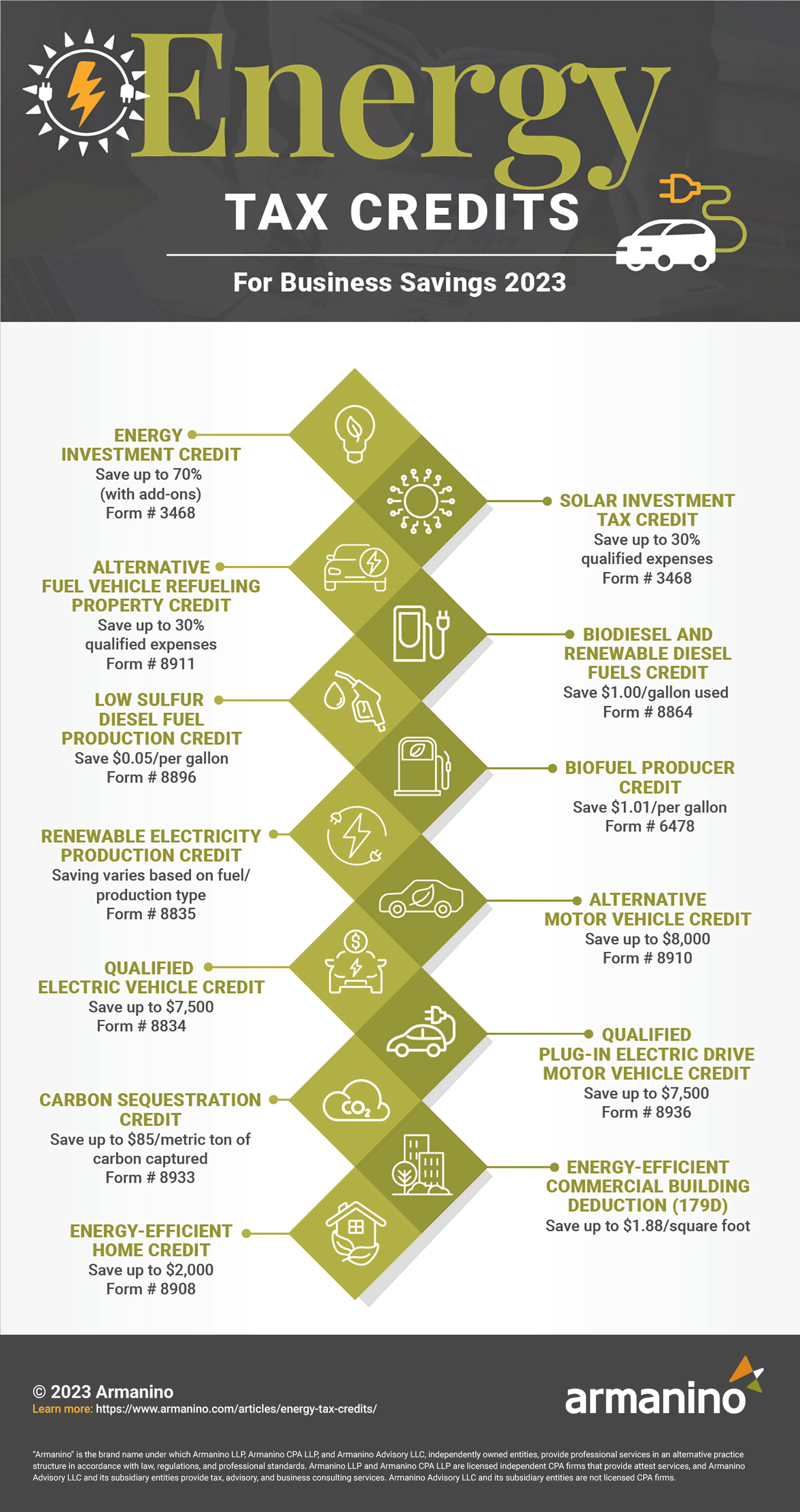
Okay, let's get down to the nitty-gritty. Which appliances are actually eligible for these juicy tax credits? While the specific details can vary and depend on meeting certain efficiency standards (always double-check with the manufacturer's specifications and the official IRS guidelines!), here are some common culprits:
- Heat Pumps: These are super-efficient heating and cooling systems that can significantly reduce your energy consumption compared to traditional furnaces and air conditioners.
- Water Heaters: High-efficiency water heaters, especially those using heat pump technology, are often eligible. Think about it – water heating is a major energy hog in most homes!
- Insulation: While not technically an appliance, upgrading your home's insulation (attic, walls, etc.) can qualify for a tax credit. A well-insulated home requires less energy to heat and cool.
- Doors and Windows: Replacing old, drafty doors and windows with energy-efficient models can also qualify. Look for the Energy Star label!
- Biomass Stoves and Boilers: If you use wood or other biomass as a primary heating source, you might be eligible for a tax credit.
Think of how you might use this knowledge in your daily life. Let's say your old water heater is on its last legs. Instead of just replacing it with the cheapest option, you could research energy-efficient models that qualify for a tax credit. The upfront cost might be a bit higher, but the long-term savings (both on your energy bill and through the tax credit) could make it a smarter investment. Or, imagine a classroom project where students research the energy consumption of different appliances and calculate the potential savings from upgrading to more efficient models – a fantastic way to connect learning to real-world applications!
So, how can you explore this further? A great starting point is the Energy Star website. They have a wealth of information on energy-efficient products and often provide details on available tax credits and rebates. Also, be sure to consult the IRS website or a qualified tax professional for the most up-to-date and accurate information. Finally, talk to local appliance retailers and contractors – they can often provide guidance on qualifying products and help you navigate the application process. Don't be afraid to ask questions! The more you know, the better equipped you'll be to make informed decisions and reap the rewards of going green.
![What Appliances Qualify for Energy Tax Credit? [2024 Guide]](https://www.aireserv.com/us/en-us/aire-serv/_assets/images/qualifying-energy-efficent-appliances.webp)
![What Appliances Qualify for Energy Tax Credit? [2024 Guide]](https://www.aireserv.com/us/en-us/aire-serv/_assets/images/types-of-energy-efficient-home-improvement-credits1.webp)
![What Appliances Qualify for Energy Tax Credit? [2024 Guide]](https://www.aireserv.com/us/en-us/aire-serv/_assets/images/three-steps-to-claim-tax-credit-for-energy-efficient-appliances.webp)