
What Amperage Should I Charge My Car Battery

Hey there, fellow driver! Ever feel like your car battery is a mysterious beast? Fear not! Today, we're demystifying one of its secrets: amperage. Specifically, the amperage you should use when charging it. Trust me, understanding this can save you time, money, and a whole lot of frustration. And who doesn't want that?
So, what's the big deal about amperage anyway? Think of it like this: amperage is the force behind the charge. It's how much "juice" you're sending to your battery. Too little, and you'll be waiting forever. Too much, and... well, let's just say it's not a happy ending for your battery. Imagine trying to fill a water balloon with a fire hose! (Not recommended, by the way.)
Understanding Your Battery's Needs
Before we dive into specific numbers, let's talk about your battery. What kind of battery do you have? Most car batteries are 12-volt lead-acid batteries. That's the standard workhorse. But, and this is important, always check the label on your battery! It will tell you its voltage and, sometimes, even preferred charging amperage. Ignoring this would be like ignoring the directions on a delicious cake recipe – disaster awaits!
Must Read
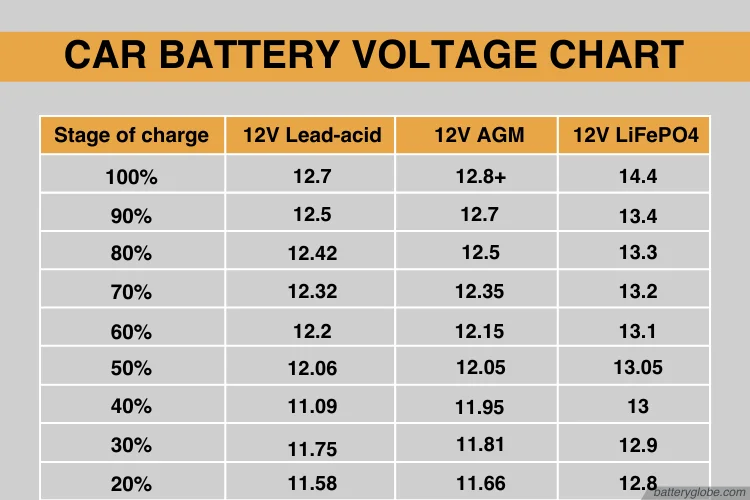
You'll also want to consider the battery's state of charge. Is it completely dead? Or just a little sluggish? A deeply discharged battery will require a different approach than one that's just a bit tired.
The Goldilocks Zone: Finding the Right Amperage
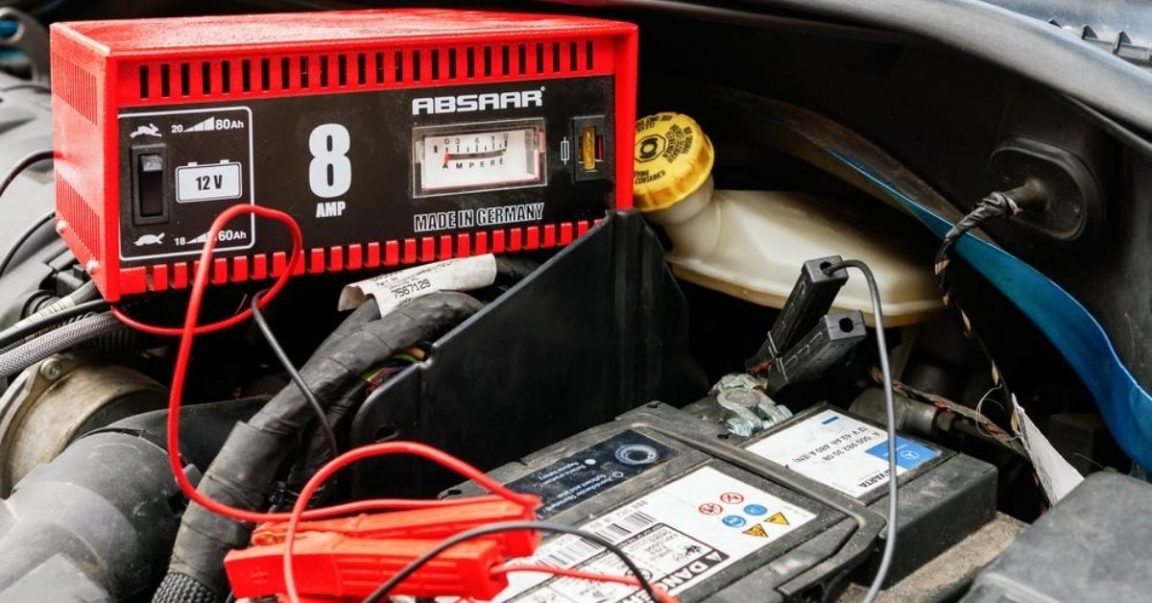
Alright, let's get down to brass tacks. What amperage should you actually use? The general rule of thumb is to use a charging amperage that's about 10% of your battery's amp-hour (Ah) rating.
Wait, what's an amp-hour rating? Good question! The Ah rating tells you how much current your battery can deliver for a certain amount of time. For example, a 50Ah battery can theoretically deliver 50 amps for one hour, or 1 amp for 50 hours. This information is usually found on the battery label. If you can't find it, a quick Google search for your battery model should do the trick!

So, if you have a 50Ah battery, 10% of that is 5 amps. That means a 5-amp charger would be a good choice for a standard charge. Makes sense, right?
But here's where it gets a little nuanced. (Don't worry, it's still fun!) For a slow charge, you can use a lower amperage, like 2 amps. This is gentler on the battery and can actually help prolong its life. Think of it as a spa day for your battery! A slow charge is ideal if you have plenty of time and a deeply discharged battery.
On the other hand, if you're in a hurry (because who isn't sometimes?), you can use a slightly higher amperage, like 10 amps. But be careful! Never exceed the manufacturer's recommended charging amperage. This can overheat the battery, damage it, or even cause it to explode! Safety first, friends!
Smart Chargers: Taking the Guesswork Out
Feeling a little overwhelmed? Don't be! Modern technology has come to the rescue. Enter the smart charger. These clever devices automatically detect your battery's voltage and state of charge and adjust the amperage accordingly. They're like the autopilot for your battery charging! Many also have safety features that prevent overcharging and overheating.
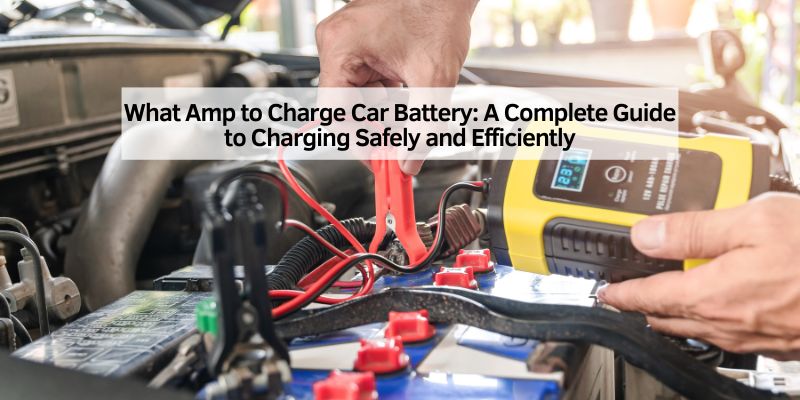
If you're new to battery charging, or just want a hassle-free experience, a smart charger is definitely the way to go. It takes the guesswork out of the equation and ensures that your battery gets the perfect charge, every time. Think of it as investing in peace of mind.
A Quick Recap (and a Few Extra Tips)
Let's recap, shall we?
*Check your battery's label! Know its voltage and Ah rating.
*Aim for a charging amperage around 10% of the Ah rating.
Consider a slow charge (2 amps) for deeply discharged batteries or when you have plenty of time.
*Use a smart charger for a hassle-free and safe charging experience.
*Never exceed the manufacturer's recommended charging amperage.
And here's a bonus tip: Always charge your battery in a well-ventilated area. Batteries can release hydrogen gas during charging, which is flammable. Better safe than sorry!
Another tip: Clean your battery terminals regularly. Corrosion can interfere with the charging process. A little baking soda and water can work wonders!
One final point, always disconnect the negative terminal first when removing your battery. This prevents accidental short circuits.
Go Forth and Charge!
So there you have it! You're now armed with the knowledge to confidently charge your car battery. It's not as scary as it seems, is it? With a little understanding and the right tools, you can keep your battery healthy and your car running smoothly. And that, my friend, is something to celebrate!
Now that you have a handle on amperage, why not delve deeper into the fascinating world of automotive batteries? There's so much to learn, from battery types to maintenance tips and tricks. Embrace the challenge, and you'll be amazed at how empowered you feel. Who knows, you might even become the go-to battery expert among your friends and family! Happy charging!