
What Air Conditioner Do I Need
Okay, picture this: it's the middle of August, the kind of heat that makes you question all your life choices. The air inside my apartment was so thick you could almost chew it. I’d just moved in and, in a moment of pure desperation (and perhaps slightly questionable judgment), I grabbed the cheapest, smallest portable air conditioner I could find. I figured, "Hey, it blows cold air, right? That's all that matters!"
Oh, how wrong I was. That little contraption wheezed and rattled like a dying asthmatic robot, barely dropping the temperature by a degree or two, and certainly not the entire living room. It was like trying to cool an oven with a single ice cube. I spent that summer sweating, cursing, and fantasizing about ice baths. It was a miserable, humid lesson in the fact that when it comes to air conditioning, one size absolutely does not fit all.
That's why we're here today, my friend. Because choosing the right air conditioner isn't just about escaping the heat; it's about preserving your sanity, getting a good night's sleep, and not throwing money at a gadget that's more decorative than functional. So, let’s dive in and figure out what AC you actually need.
Must Read
The Big Question: What's Your Space Like?
Before you even start looking at models, you need to play detective in your own home. Seriously, grab a tape measure if you haven't already. The most crucial factor is the size of the room you want to cool. Too small an AC for a big room, and it'll run constantly, never truly cooling and just guzzling energy. Too big, and it'll short-cycle, meaning it turns on and off too frequently, leaving your room clammy and humid.
Beyond square footage, think about the room's personality:

- Is it a sunny, south-facing room that bakes all day? It'll need a bit more power.
- Is it well-insulated, or does it feel like a sieve for cool air?
- What's the ceiling height? Higher ceilings mean more air to cool.
- Are there multiple windows? More heat gain.
Basically, the more heat sources or leaks, the more power (measured in BTUs, which we'll get to) you'll need. Think about your room right now. Got it?
Decoding the AC Types: A Mini-Guide
Now, let's talk about the main players in the cooling game.
Window Units: The OG Coolers
These are the classic, no-frills champs. They sit right in your window, half in, half out, doing their thing.

- Pros: Generally affordable, relatively easy to install (if you're a bit handy), and very effective for single rooms.
- Cons: They block your view, can be quite noisy, and aren't the prettiest things. Security can also be a minor concern, and you'll need a window that opens vertically or horizontally, depending on the unit.
- Who needs it? Great for renters, smaller apartments, or anyone on a budget who just needs to chill one room. Remember that awkward moment trying to fit it and seal the gaps? Good times.
Portable Units: The Movable (but Compromised) Option
Remember my sad robot AC? That was a portable unit. They sit on the floor and have a hose that exhausts hot air out of a window.
- Pros: No permanent installation, you can move them from room to room (theoretically), and they're good if your landlord forbids window units or if your windows are an unusual shape.
- Cons: Less efficient than window units, often louder, and they take up valuable floor space. That exhaust hose also still needs a window connection, so they're not truly "portable" in the sense of moving them wherever you want. Plus, they tend to be less powerful for their BTU rating.
- Who needs it? Folks in rentals with weird window restrictions, or if you absolutely must have the flexibility to cool different rooms on different days (but prepare for some lugging!).
Split-System (Mini-Split) Units: The Sleek & Silent Hero
These are the cool kids on the block. They have an outdoor compressor unit and one or more indoor units mounted high on a wall.
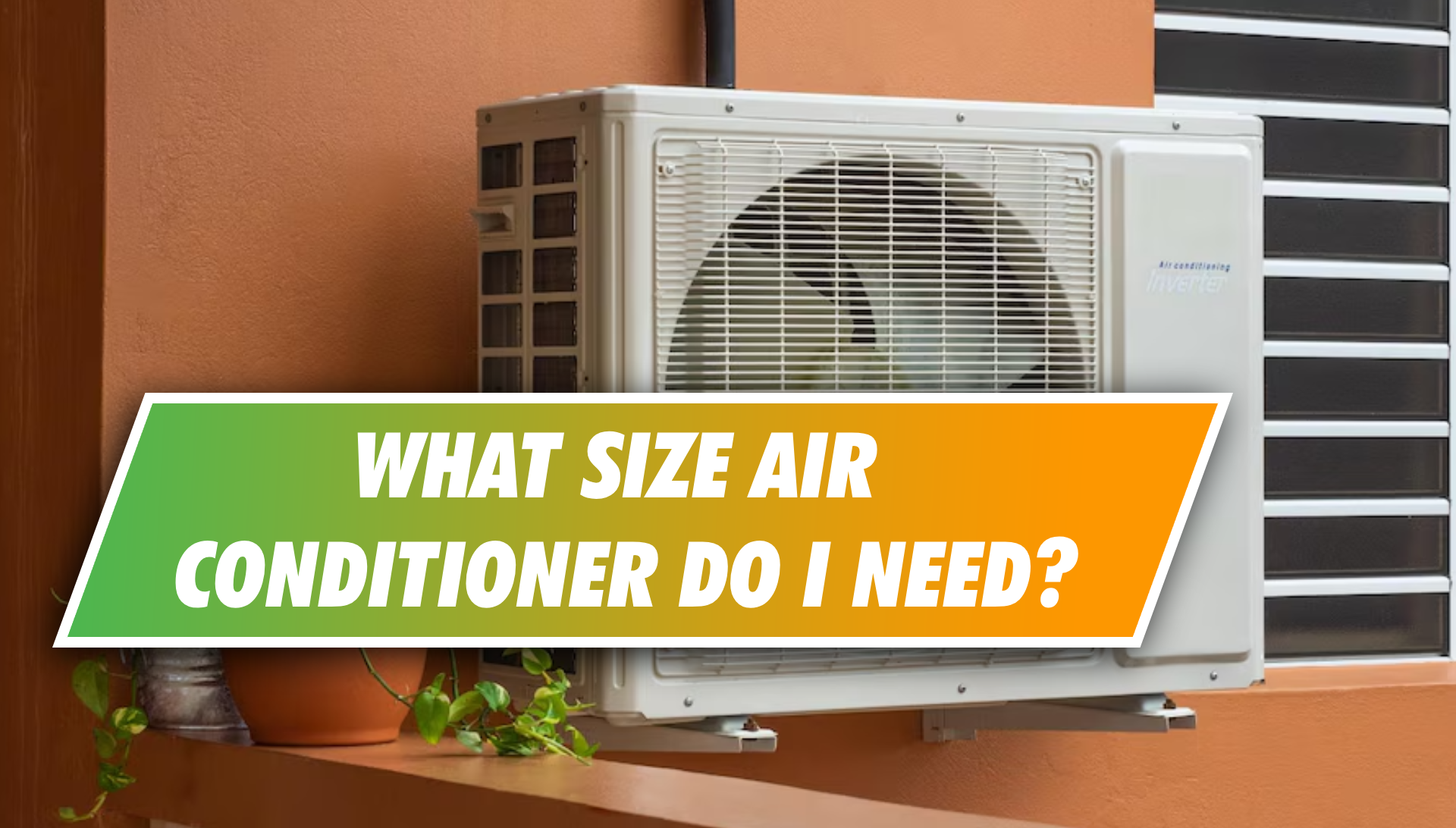
- Pros: Incredibly energy efficient, super quiet (the noisy part is outside!), and they don't require ductwork, making them perfect for additions, converted attics, or older homes. You can also get multi-zone systems to cool different rooms independently.
- Cons: More expensive to purchase and install (definitely needs professional help), and that outdoor unit needs a spot.
- Who needs it? Homeowners looking for a permanent, efficient, and quiet solution, especially if you don't have existing ductwork or want to cool specific zones. They're basically the secret agents of cooling.
Central Air Conditioning: The Whole-Home Embrace
This is the big daddy, cooling your entire house through a system of ducts and vents.
- Pros: Uniform cooling throughout your home, very quiet (all the machinery is hidden), and it adds significant value to your property.
- Cons: The most expensive option for both installation and operation (especially if you don't have existing ducts). Less granular control for individual rooms compared to mini-splits.
- Who needs it? Homeowners doing a major renovation, building new, or those who simply want whole-house comfort and have the budget for it. If you want to feel like every room is a perfectly air-conditioned oasis, this is it.
Beyond the Basics: Important Features to Consider
Once you've narrowed down the type, here are a few other things to keep in mind:
- BTUs (British Thermal Units): This is the cooling power. A general rule of thumb is 20 BTUs per square foot. But remember our earlier chat about sun exposure, ceiling height, etc.? You might need to bump that up by 10-20%. Don't just guess!
- Energy Efficiency (EER/SEER): These ratings tell you how much bang for your buck you're getting. Higher numbers mean more efficient cooling and lower electricity bills. It's worth paying a little more upfront for a higher SEER rating.
- Noise Level: Measured in decibels (dB). Crucial for bedrooms or home offices. Look for units under 50 dB for window/portable, or really low (20-30 dB) for mini-splits.
- Smart Features: Wi-Fi connectivity, programmable timers, and eco modes can make your life easier and save energy.
- Maintenance: Easy-to-clean filters are a huge plus for efficiency and air quality.
Choosing the right air conditioner might seem daunting, but by thinking about your space, understanding the types, and considering key features, you'll be well on your way to a perfectly chilled summer. Don't be like me with my wheezing robot! Do your homework, invest wisely, and enjoy that blissful cool air. You deserve it!
