Welding Stainless To Steel
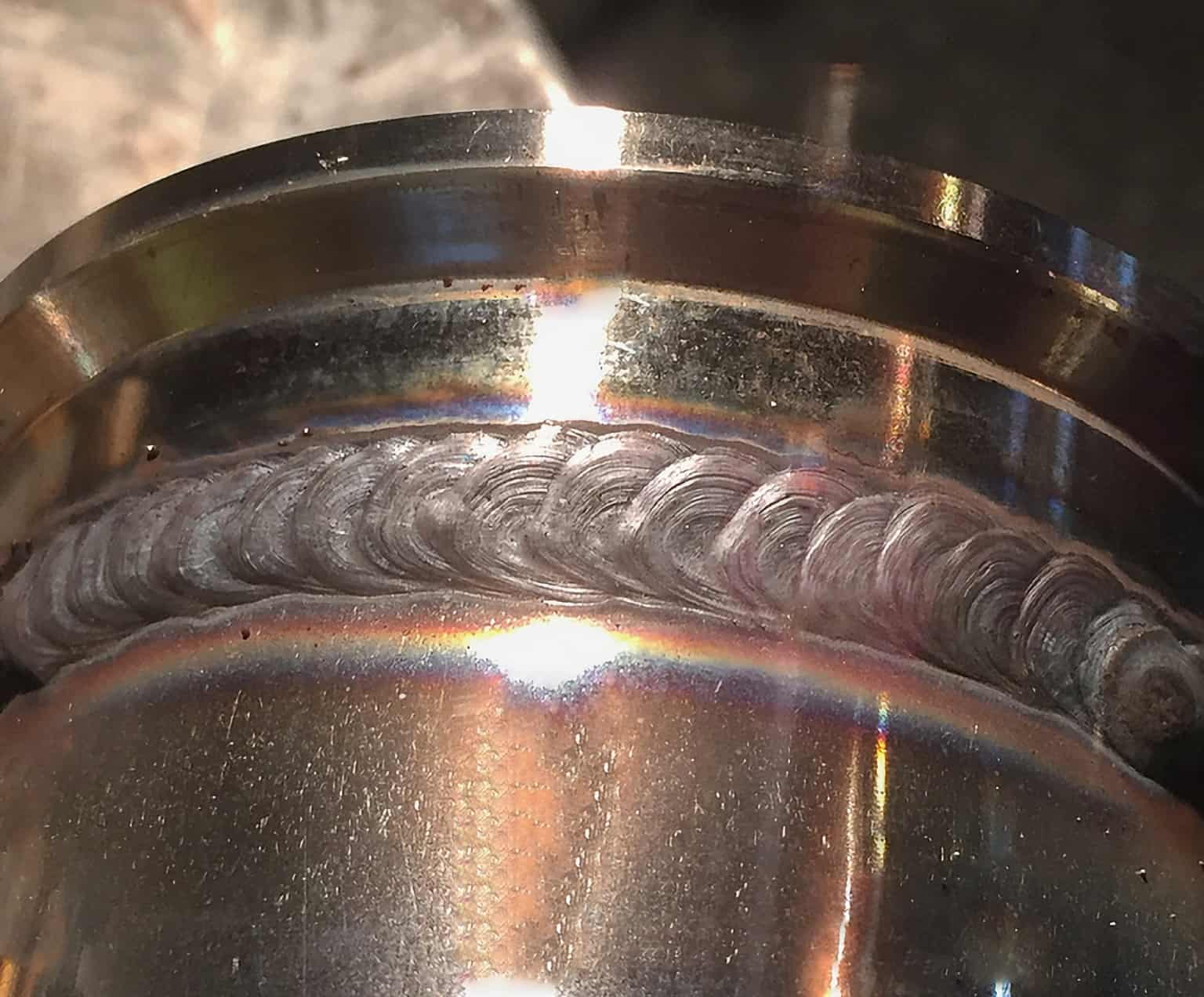
Ever noticed how sometimes, seemingly different things just click together? Like peanut butter and jelly, or a perfectly brewed cup of coffee with a good book? In the world of materials, welding stainless steel to regular steel is a bit like that. It might seem unconventional at first, but when done right, it's a surprisingly powerful and useful technique. For hobbyists, it's a chance to test your skills and create something unique. For professionals, it's an indispensable tool in their arsenal.
So, why bother welding these two seemingly incompatible metals? The simple answer is: versatility. Combining the properties of both metals opens up a world of possibilities. Stainless steel boasts exceptional corrosion resistance, making it ideal for environments where rust is a major concern. Regular steel, on the other hand, is generally more affordable and possesses excellent structural strength. By strategically welding them together, you can create a component that benefits from both sets of characteristics, without breaking the bank.
You've probably encountered this dynamic duo more often than you realize. Think about industrial piping systems carrying corrosive materials. The inner layers might be stainless steel to prevent contamination and degradation, while the outer layers are made of carbon steel for structural integrity. The automotive industry utilizes this combination in exhaust systems to resist high temperatures and corrosive exhaust gases. Even in your kitchen, stainless steel sinks might be welded to a steel frame for added support. These are just a few examples of how this seemingly niche technique impacts our everyday lives, improving the durability and longevity of countless products and systems.
Must Read
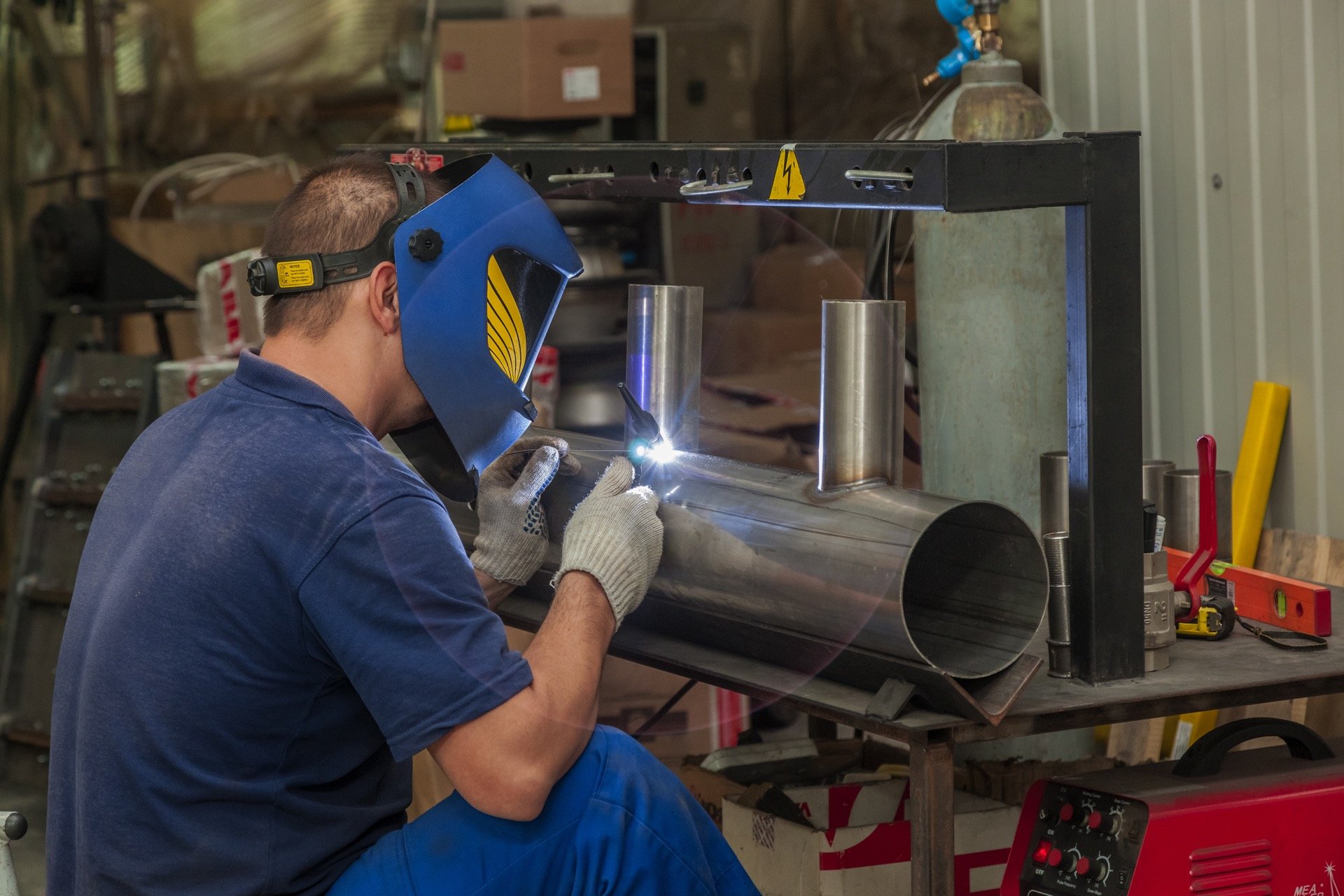
Now, let's get down to brass tacks. Welding stainless to steel isn't as straightforward as welding like metals. Here are a few tips to help you achieve strong, reliable welds:
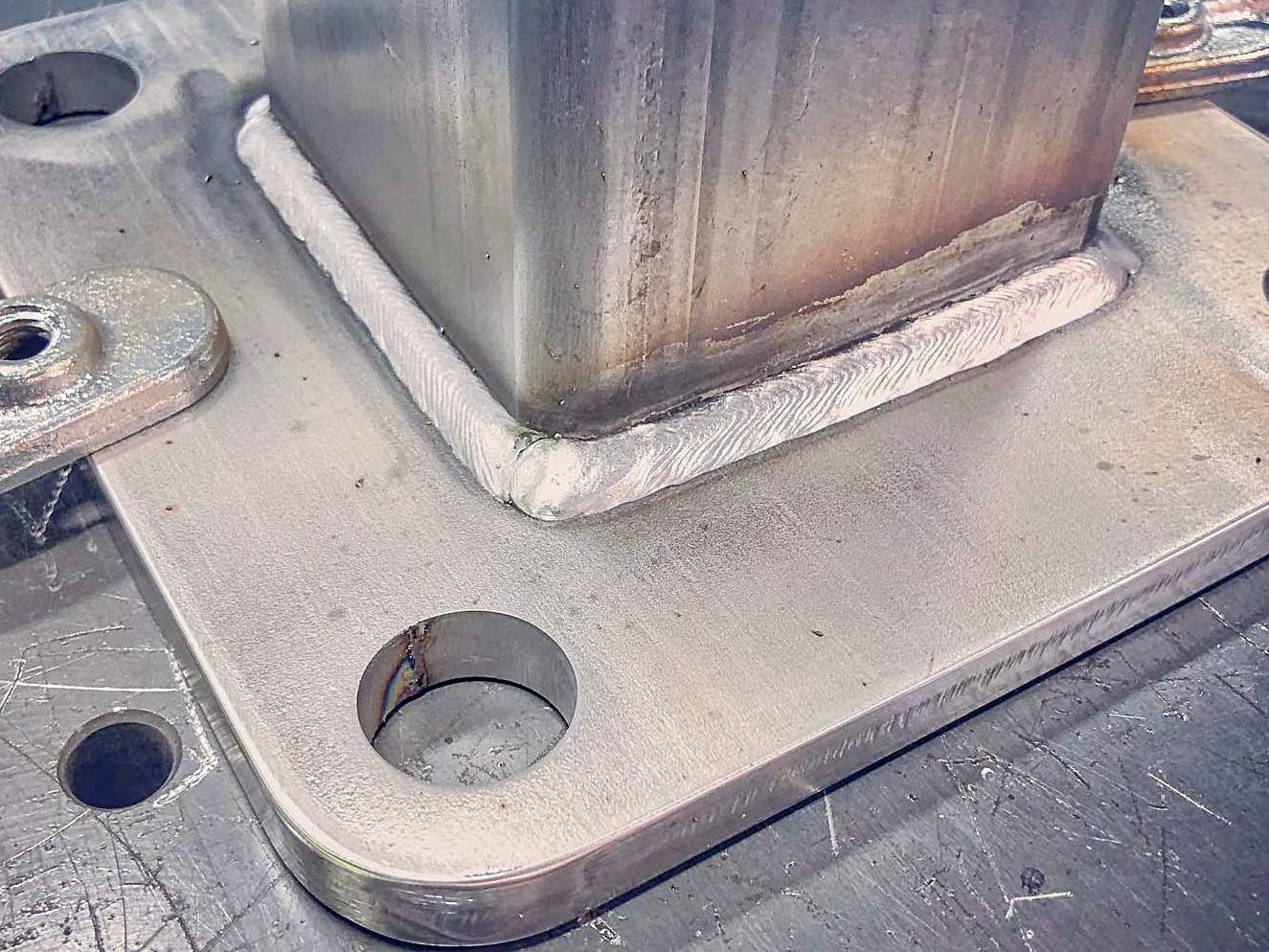
- Choose the right filler metal: This is crucial! ER309L stainless steel filler is the most common and generally recommended choice for welding stainless to carbon steel. It's designed to accommodate the differing expansion and contraction rates of the two metals.
- Clean, clean, clean: Ensure both surfaces are free from rust, scale, oil, and other contaminants. A clean weld is a strong weld. Use a stainless steel brush specifically for stainless steel to avoid cross-contamination.
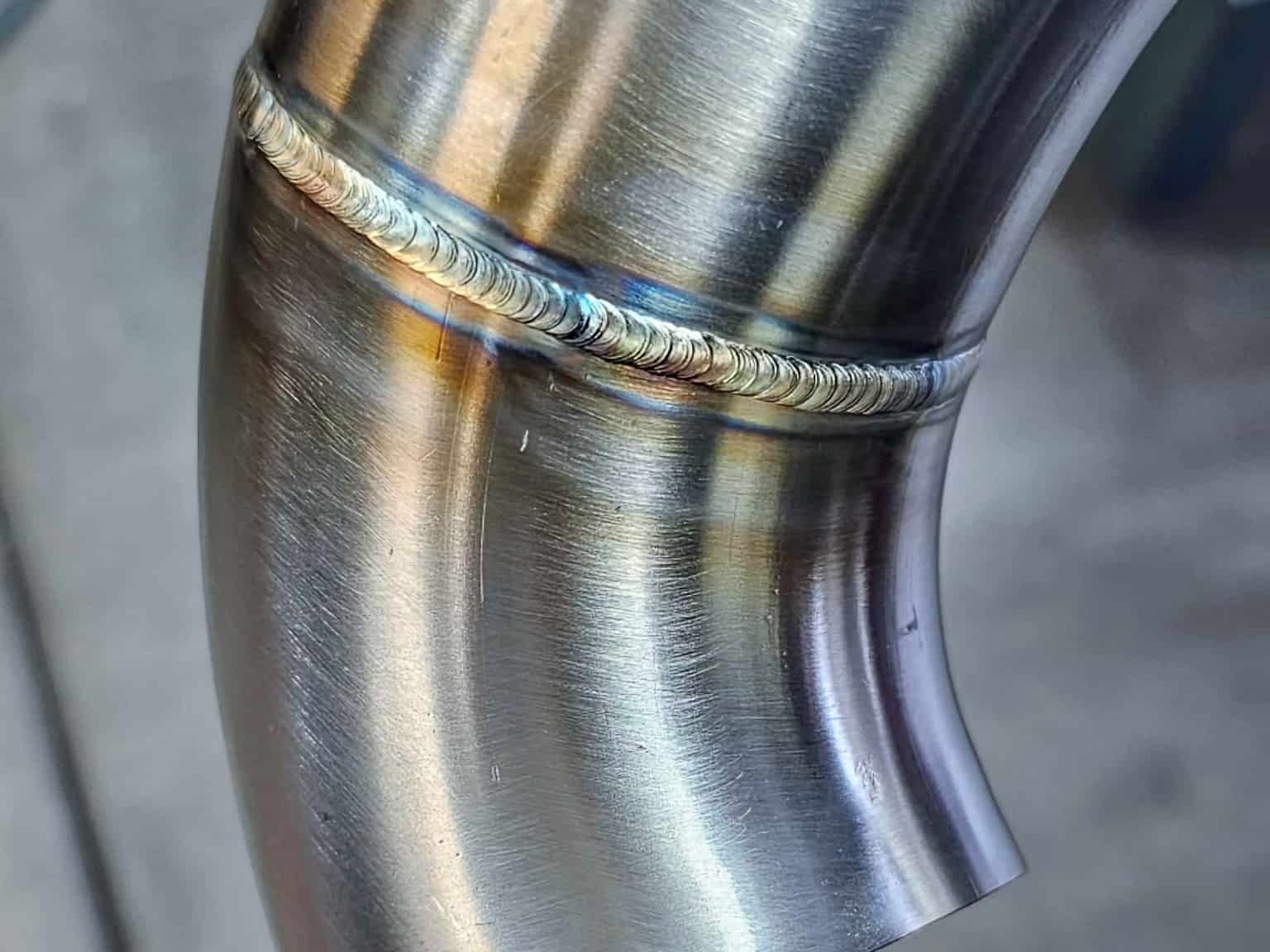
- Control the heat: Stainless steel is sensitive to excessive heat. Use a lower heat input and shorter weld beads to minimize distortion and prevent cracking. Intermittent welding can also help.
- Use a shielding gas: Argon or a mix of argon and CO2 provides a protective atmosphere, preventing oxidation and ensuring a cleaner weld.
- Practice makes perfect: Don't be discouraged if your first attempts aren't perfect. Experiment with different settings and techniques until you find what works best for you. Scrap pieces are your friend!
Ultimately, mastering the art of welding stainless steel to steel is a rewarding endeavor. It allows you to combine the best of both worlds, creating strong, durable, and corrosion-resistant components for a wide range of applications. So, grab your welding helmet, gather your materials, and get ready to explore the fascinating world of dissimilar metal welding. With a little patience and practice, you'll be welding like a pro in no time!