
Welding Shielding Gas Near Me
Alright, pull up a chair, grab a coffee, and let me tell you about something that sounds utterly mundane but is secretly the superhero of your welding projects: shielding gas. This gas just wants to make sure your metal sticks together without looking like a pigeon-attacked tin can.
So, you’ve got your welder, your fancy helmet that makes you look like a sci-fi extra, and a burning desire to fuse two pieces of metal. You strike an arc, sparks fly – it’s glorious! But then, you peek at your weld, and instead of a beautiful, uniform bead, you’ve got something that looks like swiss cheese had a bad day, or maybe a tiny, angry worm tried to burrow through your steel. What went wrong? My friend, you just met the invisible villain: the atmosphere.
The Invisible Enemy: Oxygen and Friends
Yep, that lovely air we breathe, full of oxygen and other invisible mischief-makers, is absolutely terrible for hot metal. When you’re welding, you’re creating a tiny, molten pool of metal, hot enough to make the sun blush. What happens when super-hot metal meets oxygen? Rust, porosity, brittleness, and a general air of "I give up." It's like trying to cook a delicate soufflé in a dust storm. The metal oxidizes, becomes weak, and suddenly your masterpiece looks like it was welded by a particularly clumsy squirrel.
Must Read
This is where our unsung hero, the shielding gas, enters stage left (or rather, from a tank attached to your welder). Its job is simple but critical: to create a protective, inert bubble around your weld pool, pushing all those nasty atmospheric gases away. Think of it as a personal bodyguard for your molten metal, whispering sweet, non-reactive nothings.
The Gas Gang: Who’s Who in the Tank
Now, not all shielding gases are created equal, just like not all superheroes wear capes. Here are the main players you'll typically be looking for when you search for "welding shielding gas near me."
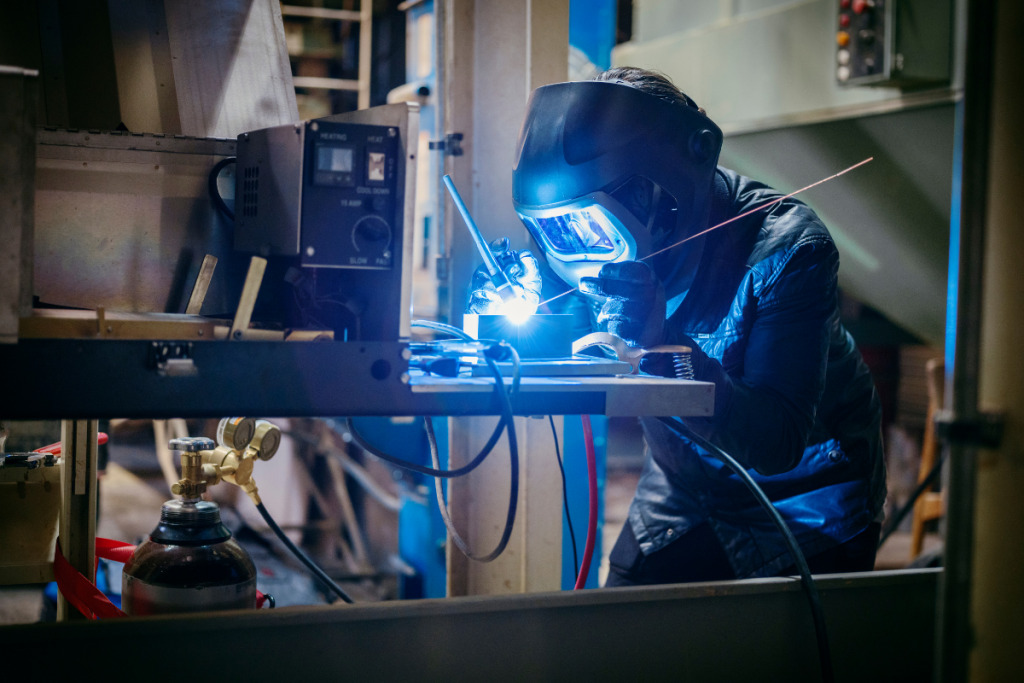
First up, we have Argon (Ar). This guy is the cool, calm, and collected elder statesman of shielding gases. It’s an inert gas, meaning it doesn't react with anything. It’s dense, it’s stable, and it produces a smooth, focused arc. If you’re TIG welding, especially with aluminum or stainless steel, Argon is your go-to. It’s like the smooth jazz of shielding gases – reliable, sophisticated, and always a good choice for delicate work.
Then there's Carbon Dioxide (CO2). Ah, CO2. This is the wild child, the rebel with a cause. It's much cheaper than Argon, but it's an active gas, meaning it does react with the weld pool. This reaction can lead to a slightly spatterier weld – think of it as the heavy metal concert of welding gases. It’s great for MIG welding thicker steel, especially when cost is a concern. If you're building a monster truck or a sturdy garden gate, CO2 is a solid, economical choice, though you might need to clean up a few more spatters.
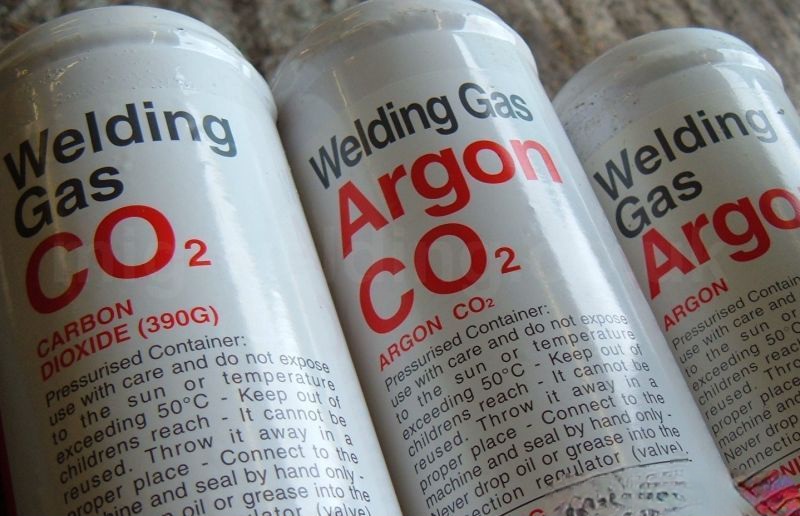
But wait, there's a power couple! Most MIG welders, especially those working on mild steel, will reach for an Argon/CO2 mix. This is often an 80/20 mix (80% Argon, 20% CO2) or similar. This combination is like the perfect buddy cop duo: Argon provides the smooth arc and good penetration, while CO2 adds the arc stability and weld puddle control. It’s the Goldilocks option – just right for a wide range of general-purpose MIG welding, offering the best of both worlds without too much spatter or too much expense.
You might also hear whispers of Helium, especially for really thick or specialized materials, but for 99% of home welders or small workshops, Argon, CO2, or their fabulous mix are your main squeeze.
"Near Me": Finding Your Gas Guardian
So, you’ve decided your molten metal needs its invisible bodyguard. Where do you find this magical gas? The "near me" part is actually really important because these aren't small cans of hairspray. We're talking about heavy, high-pressure cylinders. You definitely don’t want one falling on your foot – trust me, it’s not as fun as it sounds.
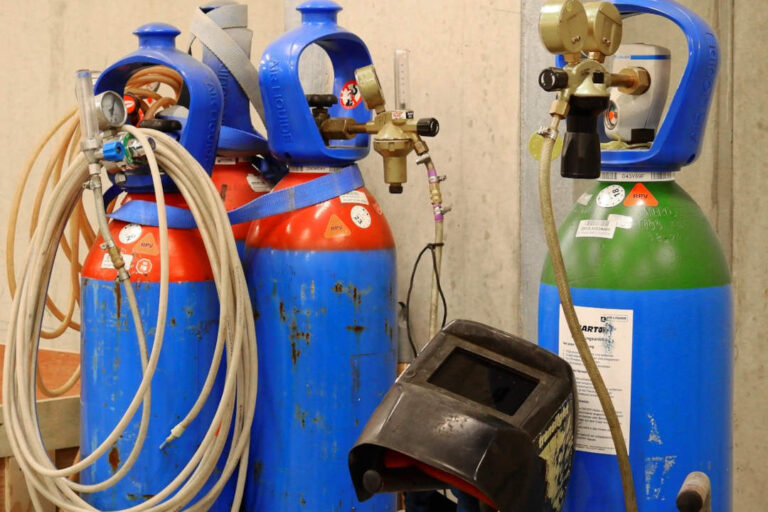
Your first port of call should always be a local welding supply shop. These places are like the candy stores for metalworkers. They’ll have all the different gas mixes, cylinder sizes, and helpful advice. Plus, they usually offer cylinder exchanges, which means you bring in your empty tank and swap it for a full one, paying only for the gas. It's like a reverse recycling program, but way cooler.
You might also find industrial gas suppliers in your area. These are often larger operations that supply hospitals, manufacturers, and, yes, welders. Sometimes they offer better bulk pricing if you’re a heavy user, but for hobbyists, the local welding shop is usually more convenient.
Online retailers exist, of course, but shipping a heavy, high-pressure gas cylinder can be prohibitively expensive and logistically challenging. So, while you can buy almost anything else online, for welding gas, local is definitely the way to go. Think of it as supporting your neighborhood metal-whisperers!
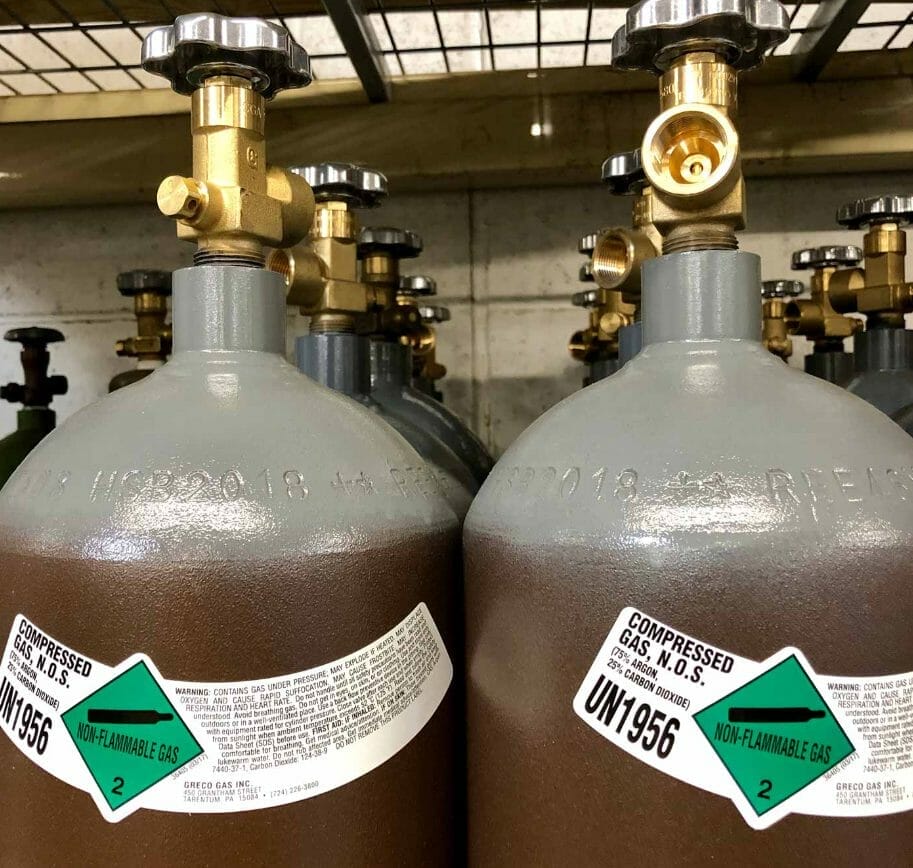
And here’s a fun fact that might surprise you: you’re not usually buying the cylinder itself, especially the larger ones. You’re typically renting it or leasing it from the supplier. This is because these cylinders are expensive, regulated, and require periodic safety checks. So, when you pay, you're paying for the gas inside and the privilege of borrowing its fancy metal container.
The Unsung Hero: Don't Skimp!
Honestly, overlooking shielding gas is one of the biggest mistakes beginners make. It's like buying a Ferrari and then trying to run it on tap water. You might save a few bucks upfront by skipping it, but you'll end up with frustratingly weak, ugly welds that will make you question your life choices. A good weld isn't just about heat and technique; it's about creating the perfect, protected environment for your molten metal to solidify beautifully.
So, the next time you're planning a welding project, remember the invisible hero. Do a quick search for "welding shielding gas near me," swing by your local supplier, and grab the right gas for the job. Your welds (and your sanity) will thank you for it. And who knows, maybe that tiny metal bubble is the real secret to world domination. Just kidding... mostly.