
Welding On Offshore Oil Rigs
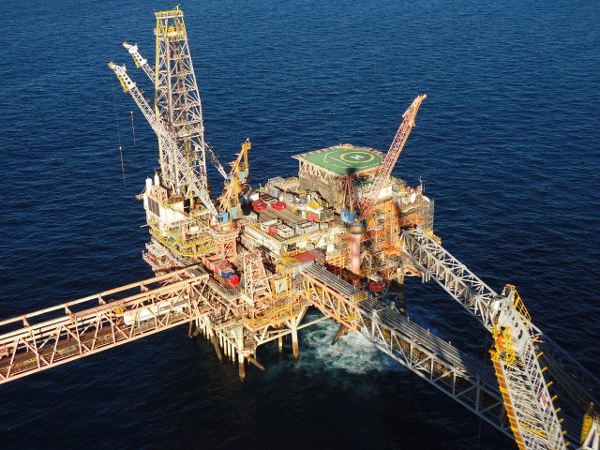
Alright, so gather 'round, because we're about to dive into something absolutely bonkers. Ever thought about welding? Probably not, right? It's sparks, metal, safety goggles. Pretty standard stuff. But what if I told you about welding… on an offshore oil rig? And not just on the deck, but sometimes, like, under the ocean?
Yeah, your jaw just dropped a little. Mine too. This isn't your granddad's garage project. This is a whole different beast. It's high-stakes, ridiculously cool, and honestly, a bit wild. Let's chat about why this job is basically the stuff of legends.
Sparks in the Deep Blue Sea
Picture this: a giant metal city floating in the middle of nowhere. Waves crashing, wind howling. That's an offshore oil rig. And like any structure, parts of it sometimes need fixing. Big parts. Parts that are holding up the whole darn thing. So, when a crucial pipe or a structural beam cracks, who ya gonna call?
Must Read
Definitely not Ghostbusters. You call a welder. And these aren't just any welders. These are the ninjas of the deep, the iron-menders of the abyss. They're often called hyperbaric welders or saturation divers. Sounds like something out of a sci-fi movie, right? Because it kinda is.
Why is this even a thing?
Oil rigs are colossal structures. Moving them for repairs? Nope. Draining the ocean? Also nope. So, repairs happen in situ, meaning right where they are. And sometimes, "where they are" is hundreds of feet beneath the surface. That's where the real magic happens.
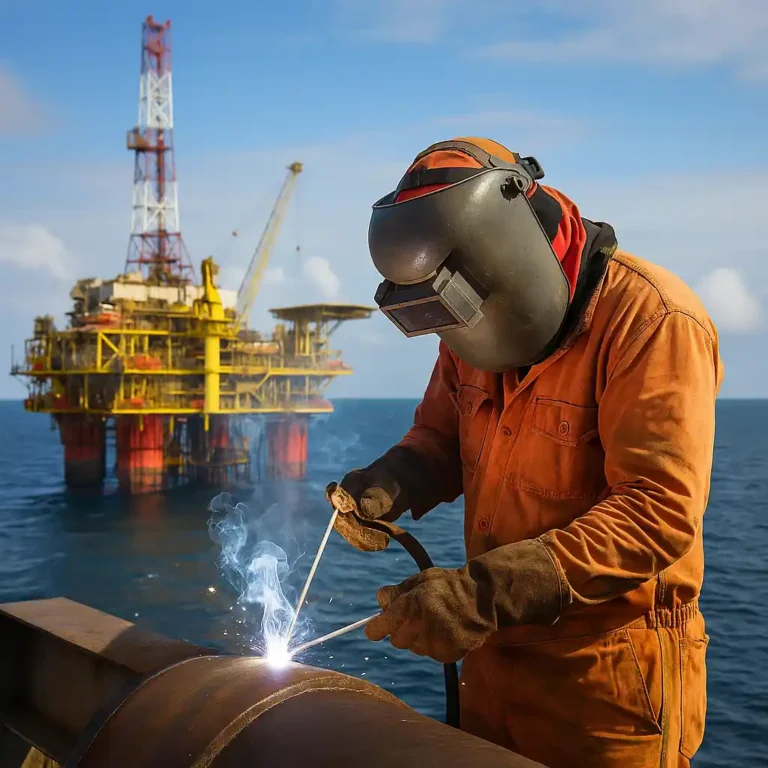
These folks literally go down into the ocean to patch up giant metal structures. It’s not just dangerous; it's a testament to human ingenuity and, let's be real, a healthy dose of pure grit. Forget your desk job. These guys are living a real-life adventure novel.
Wet Welding vs. Dry Welding: The Ultimate Showdown
You might be thinking, "Welding underwater? Doesn't water, like, put out fire?" Good question! There are two main ways these underwater wizards do their thing, and both are fascinating.
First up: Wet Welding. This is exactly what it sounds like. The welder is fully immersed in water, sparks flying around them like some kind of deep-sea Fourth of July. The equipment is specially designed, of course, to handle the electrical current without electrocuting the welder or exploding the universe. It's quick, dirty, and a bit like watching a superhero battle an alien monster with a welding torch.
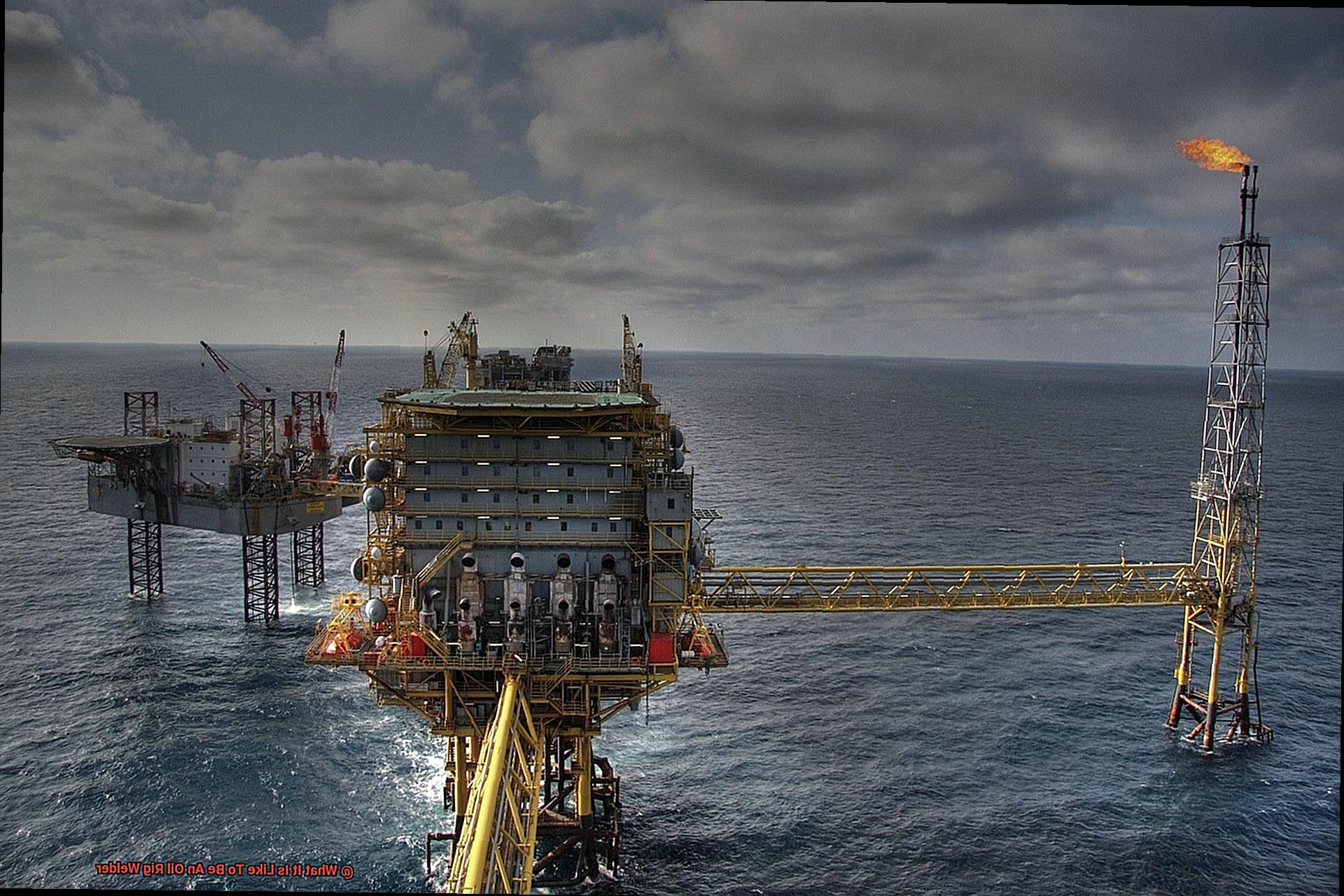
Then there's Dry Welding, also known as hyperbaric welding. This is where it gets super quirky. Divers don't actually weld in the open water. Instead, they create a temporary, sealed chamber – a "habitat" – around the area needing repair. They pump it full of a special gas mixture, push the water out, and boom! They've got a dry, controlled environment. It’s like setting up a tiny, pressurized, underwater apartment just to fix a pipe. How cool is that?
This dry method allows for a much higher quality weld, similar to surface welding, because there's no pesky water interfering with the cooling process. But imagine building a watertight bubble around a rusted pipe, hundreds of feet down, while currents try to rip your tools away. Seriously, these folks deserve a medal.
The Welders Themselves: Real-Life Aquamen
Who signs up for this? People who are part engineer, part daredevil, part Olympic swimmer, and probably part fish. They train for years, mastering not just welding techniques but also advanced diving, decompression procedures, and emergency protocols.

They wear specialized suits that look like they belong in a space movie, complete with helmets that provide communications and breathable gas. Think about the physical and mental demands: perfect precision in near-zero visibility, bone-crushing water pressure, constantly being aware of your air supply, and the fact that a tiny mistake could be catastrophic.
And let's not forget the wildlife! Sharks, barracudas, giant squid (maybe not giant squid, but you get the idea). It's not exactly a tranquil environment. You're trying to fix a multi-million-dollar structure, and a curious shark is checking out your fancy welding helmet. Talk about workplace distractions!
Life on the Rig: A World Apart
Beyond the welding itself, life on an offshore rig is an experience. These welders live on the rig for weeks, sometimes months, at a time. It’s a tight-knit community, isolated from the world, working intense shifts in an unforgiving environment.

They eat, sleep, and breathe their work. There are strict safety rules, rigorous schedules, and not a lot of privacy. But there’s also camaraderie, incredible views of the ocean, and the satisfaction of doing a job that very few people on Earth can do. And yeah, the pay checks are pretty eye-watering, too. You earn every penny when your office is literally the bottom of the sea.
Why It's Just So Fun to Talk About
So, why is this topic so awesome? Because it smashes together incredible engineering, extreme sports, and a dash of futuristic living. It's a reminder that even in seemingly mundane industries, there are jobs that push the absolute limits of human capability and courage.
Next time you see a distant oil rig or hear about offshore energy, remember the folks down below, creating sparks in the dark, building dry habitats in the deep, and basically being the unsung heroes of the underwater world. It's not just welding; it's an epic tale unfolding, hundreds of feet beneath the waves, one perfect bead at a time. Pretty cool, huh?