
Welding Cast Iron Engine Block
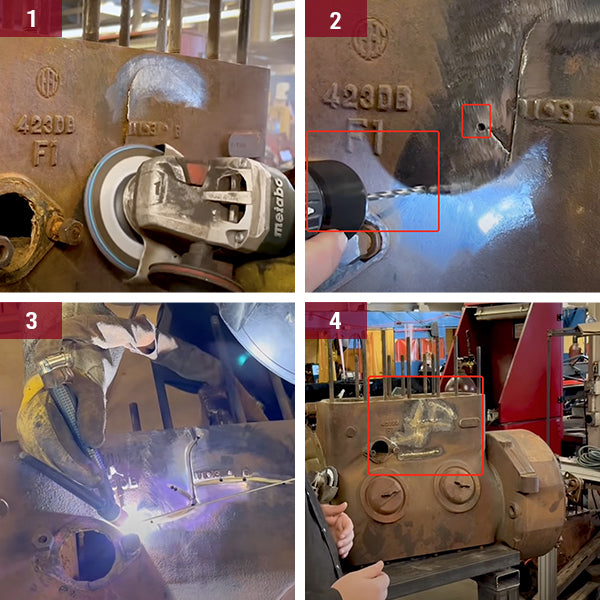
So, you've stared into the abyss of a cracked engine block, haven't you? That sinking feeling in your stomach, like when you drop your phone face-down and you're too scared to pick it up. Except this isn't a cracked screen; it's the heart of your beloved machine. Your mechanic might have given you 'the look' – the one that says, "Time to start saving for a new car," or "Prepare for a bill that will make your eyes water." But hold on, spark chaser! There’s a crazy, challenging, and utterly satisfying path less traveled: welding that cast iron beast back to life.
Now, welding cast iron isn't like, say, convincing two friendly marshmallows to stick together. Oh no. It's more like trying to perform delicate surgery on a grumpy, brittle old man who’s had a bit too much to drink. Cast iron, bless its stubborn heart, is a peculiar beast. It’s strong, it's reliable, it holds heat beautifully (hello, cast iron skillet!), but it absolutely hates change, especially sudden, dramatic temperature changes. Think of it as the diva of metals – it needs to be treated just right, or it throws a spectacular tantrum and cracks.
Why Cast Iron Throws a Fit When You Try to Weld It
The main reason this metal is such a prima donna when it comes to welding is its high carbon content. Imagine trying to weld a piece of charcoal – it just crumbles, right? Cast iron isn't quite that bad, but all that carbon makes it incredibly brittle. When you hit it with the intense heat of a welding arc, it expands. Then, as it cools, it contracts. But because it's so brittle, it doesn't just stretch and shrink nicely; it often decides to just... snap. Like a dry biscuit under pressure. You've essentially just given your engine block a very expensive, very frustrating heart attack right when you were trying to fix it.
Must Read
Plus, there's the whole issue of stress. The crack itself is a sign of stress, and welding introduces even more. It’s like trying to patch a leaky hose that's already under immense pressure – you need to be really, really gentle and smart about it.
The Art of the Cast Iron Comeback: Pre-Heating and Patience
So, how do the seasoned pros, the metal whisperers, tackle this challenge? Well, it usually starts with something called pre-heating. This isn't just waving a torch at it; this is a serious, deliberate process. You need to gently, evenly, and slowly bring the entire casting (or at least a very large area around the crack) up to a specific temperature. Think of it like giving your engine block a warm, relaxing bath before a stressful medical procedure. It reduces the thermal shock and helps prevent the expansion and contraction from tearing the metal apart.

Some folks use a forge, some build an insulated oven around the block, and some even use barbecue grills (I’m not kidding!). The goal is to make the whole block happy and warm, so when you introduce the even hotter weld puddle, it doesn't get all bent out of shape. It's less of a shock, more of a gentle transition.
Then comes the actual welding. Often, they use special welding rods, like nickel-based electrodes. These are the premium, expensive stuff, but they're worth their weight in gold because they’re designed to be more flexible and tolerant of cast iron’s grumpy nature. You make small, controlled passes, often peening the weld (gently hammering it) after each pass to relieve stress. It’s a dance, a delicate operation, not a brute-force attack.
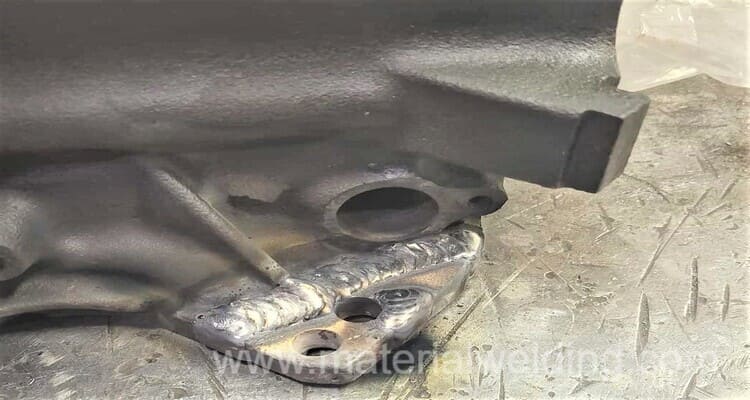
The Grand Finale: Slow Cooling and the Sigh of Relief
And when the welding is done, you absolutely, positively do not just let it air cool. That would be like running a marathon and then immediately jumping into an ice bath – a recipe for disaster (and more cracks). Instead, you cool it down s-l-o-w-l-y. Like, "wrap it in a welding blanket and leave it overnight" slowly. Or "bury it in a bucket of insulating sand" slowly. The idea is to let all those thermal stresses dissipate naturally and evenly, preventing new cracks from forming as the metal shrinks back to its original size.
The moment of truth usually comes hours, or even a full day, after the last spark flies. You carefully unwrap your patient, clean off the slag, and inspect your work. If you've done it right, if the stars have aligned and the metal gods smiled upon you, you’ll see a beautiful, solid repair. And let me tell you, that feeling of bringing a beloved, "unfixable" engine back to life? It's like baking the perfect sourdough after a dozen failed attempts, or finally solving that impossible crossword puzzle. It's a true triumph of patience, skill, and a little bit of stubborn refusal to give up. So next time you hear "cracked engine block," remember, sometimes, with enough love and expertise, even the most cantankerous old iron can be given a new lease on life.

