
Welding Cable Size For 300 Amp

Ever gazed at a gleaming metal sculpture, or watched a spark-filled welder bring two pieces of steel together, and felt a tiny thrill? There’s something undeniably captivating about welding, isn’t there? It’s a bit like magic, turning raw materials into something new and strong. But behind every dazzling arc and every perfect bead lies a secret handshake between power and precision, and a surprisingly fun little detail that can make all the difference: welding cable size. Specifically, for those moments when you need serious oomph – let’s talk about a 300-amp machine!
Now, before your eyes glaze over thinking this is just dry technical stuff, hear me out! Understanding something as seemingly simple as cable size isn't just about safety (though it's super important!), it's about empowerment. It's about knowing you’re setting yourself up for success, for smooth welds, and for projects that make you pump your fist in triumph. Think of it as knowing the secret handshake to unlock your welding machine's full potential. Pretty cool, right?
Unleashing the Beast: What Even is 300 Amps?
So, you've got a welding machine that kicks out 300 amps. What does that mean in human terms? Well, it means you're not just tinkering with thin sheet metal anymore. We're talking about serious power, perfect for tackling thicker materials, longer welding runs, and projects that demand robust strength. This is the kind of power you'd use for fabricating heavy-duty equipment, building structural components, or creating some truly substantial metal art. It's the big leagues, and with big power comes the need for big (well, appropriately sized!) cables.
Must Read
Imagine trying to drink a super-thick milkshake through a tiny coffee stirrer. It's frustrating, inefficient, and you're just not going to get the full experience. That's a bit like trying to push 300 amps through a cable that's too small. You need the right "straw" for the job, or in our case, the right "pipeline" for all that electrical goodness!
Why Cable Size Isn't Just a "Technical Detail" (It's Your Superpower!)
Okay, let's get to the heart of it. Why obsess over something like cable size? Simple: it directly impacts your safety, your weld quality, and your wallet. No joke!
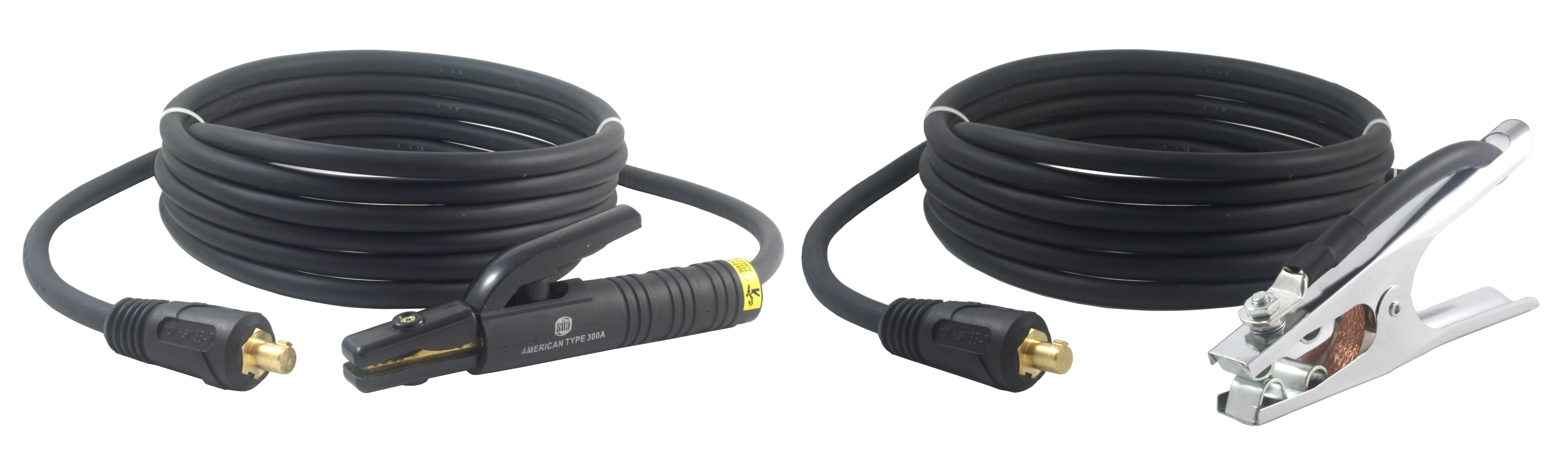
First, safety. If your cable is too thin for the amount of current flowing through it, it heats up. And heats up. And eventually, it can overheat to dangerous levels, potentially damaging your equipment or, worse, causing a fire. Nobody wants that kind of drama! Choosing the right size is like giving your electrical current a comfy, cool highway to travel on.
Next, performance. A too-thin cable leads to something called "voltage drop." Think of it as the electricity getting tired and losing steam on its way to the welding arc. This means your machine won't perform at its peak, you'll get weaker, inconsistent welds, and you'll spend more time fighting your equipment than creating. What’s the fun in that? We want strong, beautiful welds every time!
Finally, efficiency and cost. When electricity has to fight its way through a thin cable, a lot of that energy is wasted as heat. You're literally paying for electricity that isn't contributing to your weld. Choosing the right cable is an investment that pays off in smoother operation and less wasted energy over time. It’s like ensuring every drop of fuel gets your car where it needs to go, not just evaporating along the way.
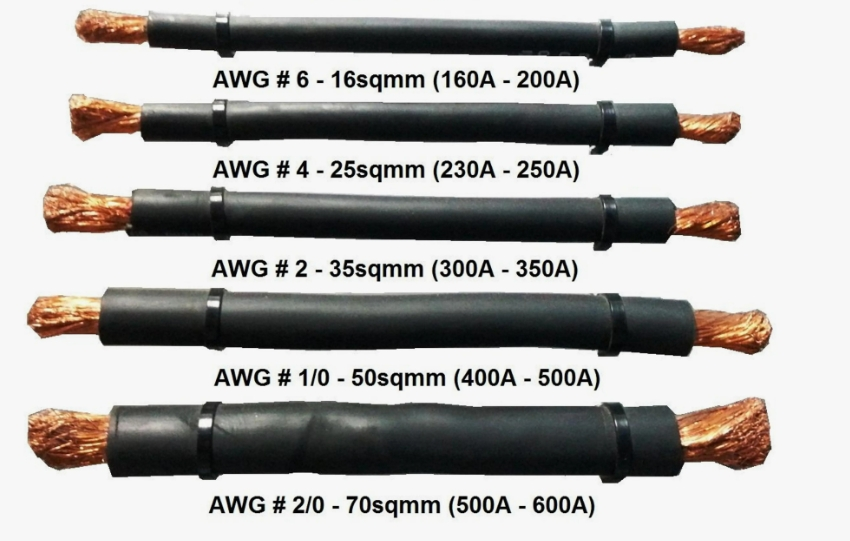
The Magic Numbers: #1/0 or 2/0 AWG for 300 Amps
Alright, down to brass tacks! For a 300-amp welding machine, you're generally looking at welding cable sizes in the range of #1/0 AWG (American Wire Gauge) or 2/0 AWG. "AWG" is just a standard way to measure wire thickness, and here's the quirky bit: the smaller the number, the thicker the wire! So, 2/0 is thicker than 1/0, which is thicker than #1, and so on.
When you see "1/0" (pronounced "one-aught") or "2/0" ("two-aught"), you're talking about some serious, robust cable. These sizes are designed to handle the substantial current of a 300-amp machine without breaking a sweat (or overheating!).
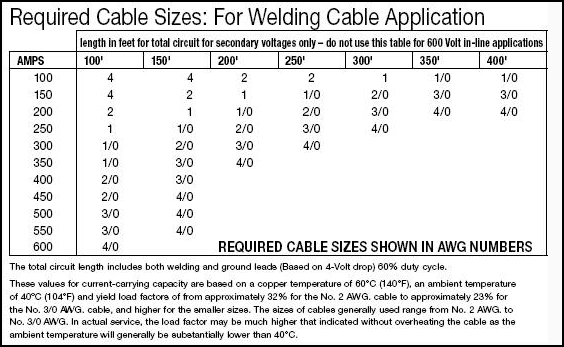
So, why the two options? It’s not about being indecisive; it’s about giving you a little flexibility based on your specific needs. Which brings us to...
Beyond the Basics: Factors That Turn You into a Cable Whisperer
While #1/0 or 2/0 AWG is your general go-to, a few other things can nudge you one way or the other, turning you into a true cable connoisseur:
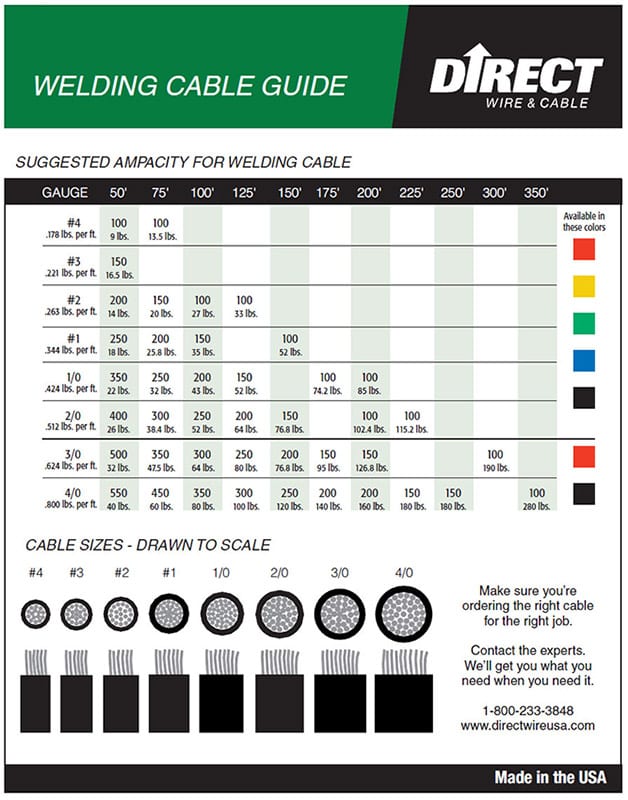
- Cable Length: This is a big one! The longer your cable run (from the machine to the workpiece and back to the clamp), the more resistance there is, and the more potential for voltage drop. For longer runs (say, over 50 feet), you'll definitely want to lean towards the thicker cable, like 2/0 AWG, to compensate. Think of it like a really long garden hose – you need more pressure (or a wider hose) to get good flow at the end.
- Duty Cycle: Welding machines aren't meant to run continuously forever. Their "duty cycle" tells you how long they can weld in a 10-minute period before needing to cool down. If you're running your machine at or near its maximum duty cycle for 300 amps (meaning a lot of continuous welding), a slightly thicker cable like 2/0 AWG offers an extra margin of safety against heat buildup.
- Ambient Temperature: If you're welding in a super-hot environment (like a scorching summer day in a non-ventilated shop), your cables will naturally run hotter. Opting for a thicker cable (2/0 AWG) can help dissipate that extra heat more effectively.
- Material Type and Welding Process: While 300 amps is powerful, different welding processes (e.g., Stick, MIG, TIG) and specific metals can have slight variations in their current demands. When in doubt, consulting your machine's manual is always a smart move.
See? It's not just a number; it's a dynamic choice that shows you're thinking like a pro!
The Real Fun: What This Knowledge Unlocks!
So, you've grasped the magic of welding cable sizing for 300 amps. What now? Now, you weld with confidence! You know that when you strike that arc, the power is flowing cleanly, efficiently, and safely to your workpiece. This knowledge empowers you to:
- Tackle Bigger Projects: No more shying away from that heavy-duty gate, the custom truck bed, or the robust outdoor furniture you've always dreamed of building.
- Achieve Better Results: Say goodbye to frustrating, weak welds. With the right cable, your machine performs as it's designed to, giving you consistent, strong, and beautiful beads.
- Weld Smarter, Not Harder: You're minimizing wasted energy and potential downtime, letting you focus on the creative act of fabrication.
- Feel Like a True Master: There's immense satisfaction in knowing the "why" behind your tools, making you a more skilled and capable welder.
Ready to Weld Your Way to Awesome?
Isn't it amazing how a seemingly small detail like welding cable size can open up a whole world of possibilities? It's not about memorizing specs; it's about understanding the principles that make your tools work optimally. When you choose the right cable for your 300-amp machine, you're not just connecting wires; you're connecting yourself to a more enjoyable, productive, and ultimately, more fulfilling welding experience.
So, next time you're thinking about a welding project, remember the power of proper cable sizing. It’s a foundational piece of knowledge that will serve you well, making every spark, every arc, and every completed project even more rewarding. Dive in, learn more, and get ready to create some truly amazing things with confidence and a whole lot of fun!