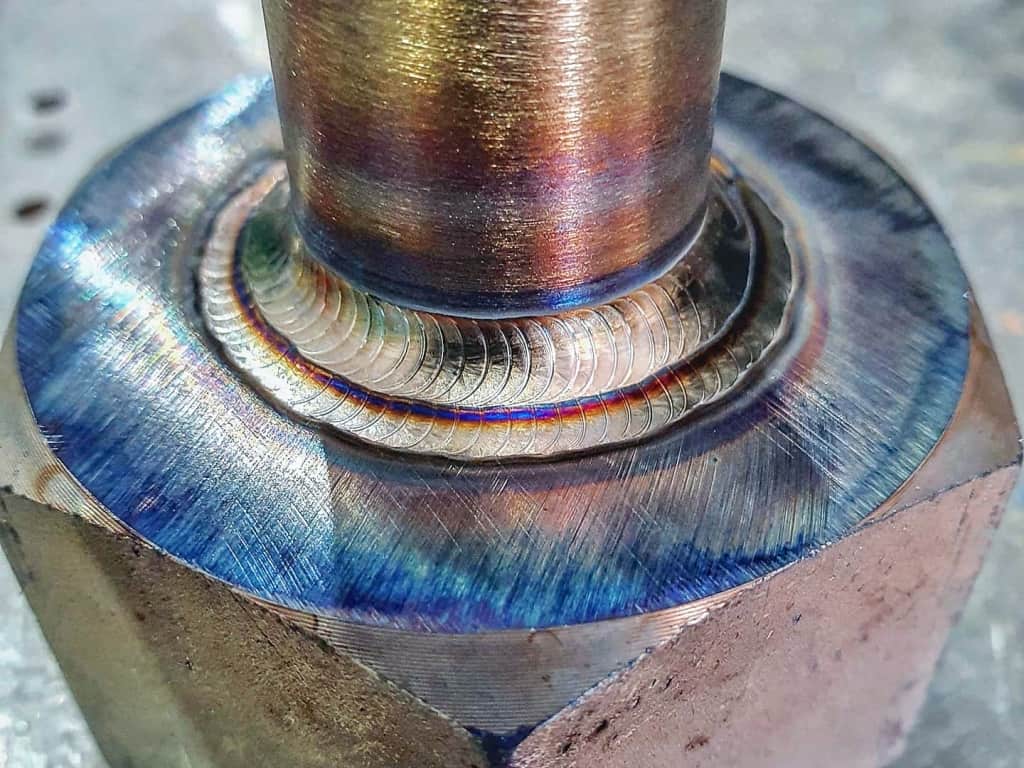
Weld Stainless To Mild Steel

Alright, grab a mug, settle in. Let's talk about something that might sound a little… spicy to some welders: joining stainless steel to mild steel. Yep, mixing metals! Is it even allowed? Are you breaking some fundamental rule of the universe?
Well, kinda, but also totally doable. Think of it like putting pineapple on pizza – some people scream, others rave. In welding, it’s less about culinary crimes and more about knowing your metallurgy!
Why Bother Mixing & Matching?
Good question, right? Why would you even want to weld your fancy, shiny stainless to boring old mild steel? Usually, it boils down to two things: cost and specific properties. Maybe you need the corrosion resistance of stainless where it counts, but the rest of the structure can be cheaper mild steel. Or perhaps you need the strength in one spot and the pretty, non-rusting stuff in another.
Must Read
It's like having a tough, inexpensive engine block (mild) but a super-slick, rust-proof exhaust manifold (stainless). You get the best of both worlds, without busting the bank or over-engineering the whole thing. Smart, eh?
The Big Hurdle: Carbon Migration!
So, you can do it. But it's not just a simple "point and shoot" like welding two pieces of mild steel. Oh no, that would be too easy! The main villain in this story is carbon migration. Stainless steel, especially the good stuff like 304 or 316, has a low carbon content and a high chromium content.

Mild steel? It's got more carbon. When you heat them up together, that carbon from the mild steel gets all antsy and decides to migrate over to the stainless side. This creates a really brittle, nasty zone right at the fusion line, which can lead to – you guessed it – cracking. And nobody wants a cracked weld, right? That’s just a sad day for everyone involved.
Your Superhero Filler Rod: 309L!
This is where our hero swoops in! You absolutely, positively, must use the right filler material. Forget your typical ER70S-6 or 6010. For stainless to mild, your go-to champion is almost always 309L stainless steel filler. The "L" stands for low carbon, by the way – super important!
Why 309L? Because it's a higher alloy filler. It's got more chromium and nickel than both the mild steel and the base stainless you're often welding. This extra alloying acts like a buffer, accommodating that carbon migration and creating a strong, ductile weld that resists cracking. Sometimes, if you need even more strength, you might hear talk of 312, but 309L is your bread and butter, your trusty sidekick.
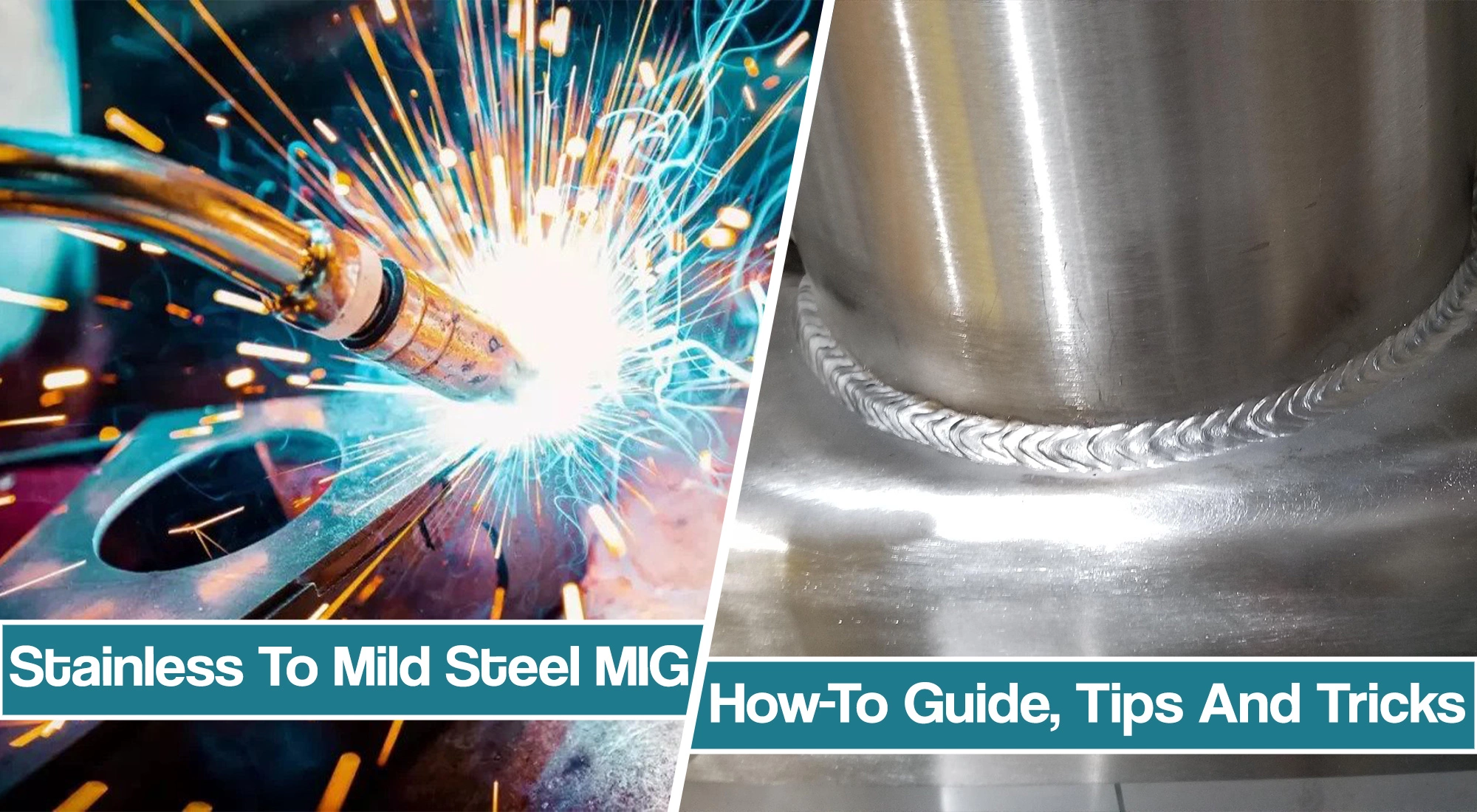
Getting Down to Business: The Process
1. Cleanliness is King (and Queen, and the Royal Family)
Seriously, this isn't optional. Grind off any rust, scale, oil, grease – anything! Use a dedicated stainless steel brush if possible, to avoid cross-contamination. A clean joint is a happy joint, especially here.
2. Mind the Heat!
Stainless steel doesn't like a lot of heat. It's got a lower thermal conductivity than mild steel, meaning it heats up faster and expands more. So, you'll want to aim for a slightly lower heat input than you might typically use for mild steel. Think about directing your arc slightly more towards the mild steel side, letting the heat naturally wash over to the stainless. It's a delicate dance, a subtle persuasion.
![How To TIG Weld Stainless Steel To Mild Steel [2025]](https://weldingpros.net/wp-content/uploads/2023/02/how-to-tig-weld-stainless-steel-to-mild-steel.webp)
3. Technique Talk
Whether you're TIG welding (my personal favorite for control), MIG, or even stick (using a 309L stick electrode), the principle is similar: maintain a tight, consistent arc and a steady travel speed. Don't dally! Too much heat equals problems. Keep your shielding gas flow robust if you're using TIG or MIG – you want to protect that molten puddle from atmospheric contamination.
Friendly Tips & Tricks from a "Friend"
- Practice, Practice, Practice! I know, I sound like your old gym teacher, but it's true. Grab some scrap pieces and mess around. Get a feel for the puddle dynamics.
- Start Mild, Move Stainless: Try to initiate your arc on the mild steel and then gently bring it into the joint, washing over to the stainless. This helps manage that heat differential.
- Small Beads, Low Heat: Avoid massive, chunky beads. Smaller, consistent passes with minimal heat input are your friends here. Let each pass cool a bit if you're doing multiple layers.
- No Root Gap Too Wide: Try to keep your fit-up nice and tight. Less gap means less filler needed, less heat, less distortion.
Don't Panic, But Be Aware!
If you don't use the right filler, or if you pump too much heat into it, you're looking at potential problems like weld embrittlement and cracking. The whole point of using stainless in the first place (corrosion resistance) can also be compromised if the weld isn't done correctly. It's not magic, it's metallurgy, and it demands respect.
So, there you have it! Welding stainless to mild steel isn't some dark art practiced only by mythical welding wizards. It's a very real, very common technique when you know the rules of the game. Get yourself some 309L, clean your materials, manage your heat, and go make some beautiful, mismatched welds. You got this!