
Ways To Save On Electric Bill
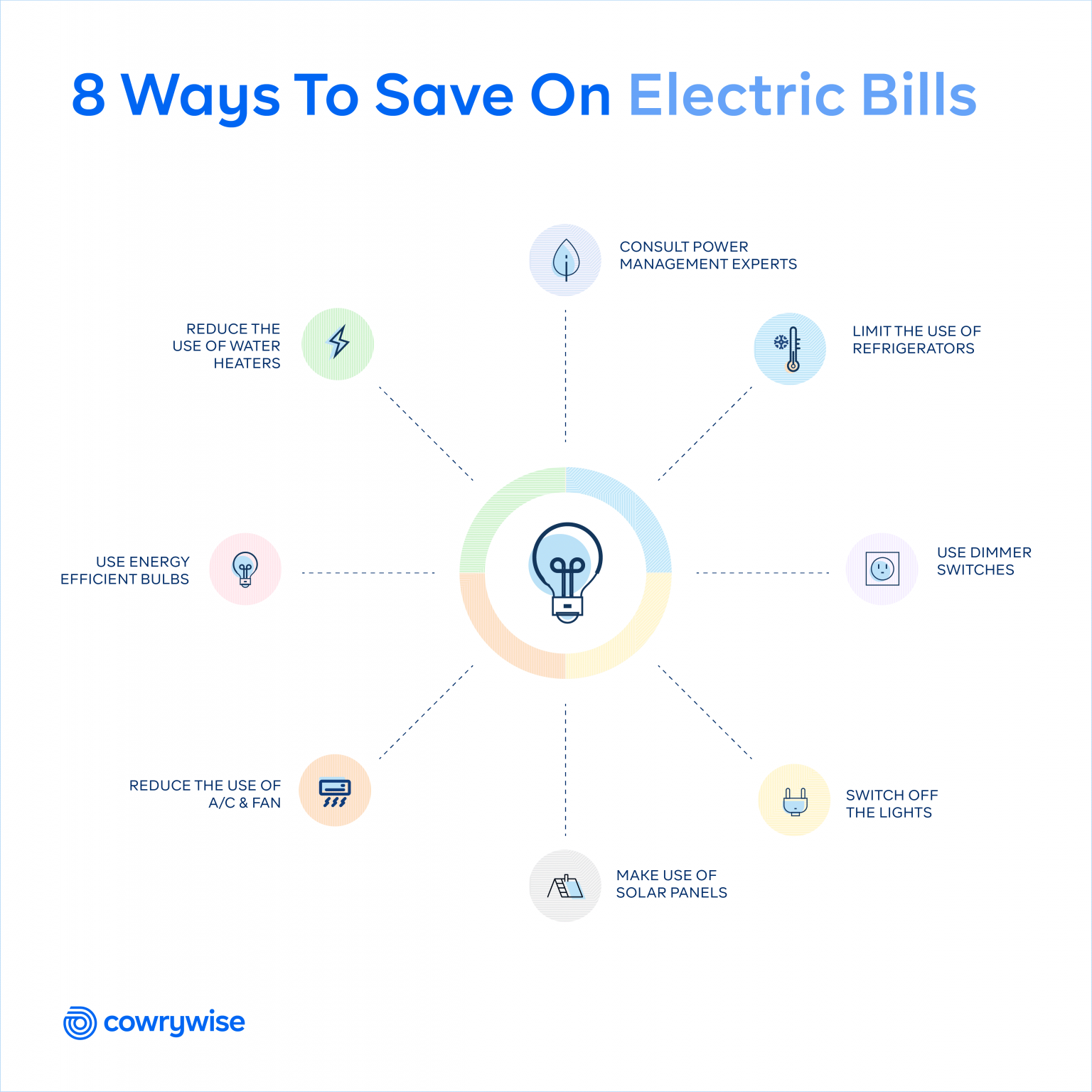
Okay, so picture this: It was a sweltering July, the kind of heat that makes your brain feel like a slowly melting popsicle. My air conditioner was basically running a marathon, 24/7, trying its best to keep my living room from becoming a sauna. I was feeling pretty smug about staying cool, you know? Like, "Take that, summer!" Then, the electric bill landed in my inbox. And oh boy, did it land with a thud. My jaw practically hit the floor. I'm talking a number that looked more like a car payment than what I usually shelled out for electricity. Seriously? I stared at it, bewildered, wondering if they'd accidentally charged me for the entire neighborhood's power consumption.
That shock, my friends, was my wake-up call. It got me thinking: there had to be ways to cut down on this energy guzzling without resorting to living like a cave dweller. I mean, who needs a second mortgage just to keep their home lit and cool, right? So, I started digging, researching, and frankly, experimenting. And what I found out was pretty eye-opening. Turns out, a lot of our energy waste isn't about some huge, mysterious fault in the system, but rather a bunch of small, everyday habits that add up to a monster bill.
The Sneaky Energy Vampires
Let's kick things off with my personal favorite discovery: the energy vampires. Ever noticed how your phone charger feels warm even when it's not charging your phone? Or that little light on your TV that's always on, even when the TV is "off"? Yup, those devices are still drawing power, even in standby mode or when they're not actively being used. It's called phantom load, and it's a silent killer of your wallet.
Must Read
The fix? Super simple: unplug 'em! Or, even better, invest in some good quality power strips with on/off switches. Plug all your computer peripherals, your TV and sound system, or your kitchen gadgets into one. When you're done for the day or leaving the house, just flip the switch. Trust me, it feels weirdly satisfying, and the savings add up faster than you'd think.
Let There Be (Efficient) Light!
Remember those old incandescent bulbs? The ones that felt like tiny heaters and burned out faster than your New Year's resolutions? Yeah, those are energy hogs of the highest order. If you're still clinging to them, it's time for an upgrade, my friend.

Switching to LED light bulbs is probably one of the easiest and most effective changes you can make. They use significantly less energy, last ages, and honestly, the light quality is fantastic these days. Plus, embrace natural light whenever possible! Open those blinds and curtains during the day. It's free, it's mood-boosting, and it means you don't need to flip a switch until dusk. And this one seems obvious, but hey, we all forget: turn off the lights when you leave a room! Your mom was right all along.
HVAC Hacks: Taming the Beast
Okay, the air conditioner and heater are usually the biggest culprits on that scary bill. They're essential, but they don't have to break the bank. First up: your thermostat settings. A small adjustment can make a huge difference. In summer, try to set your AC a couple of degrees higher than you usually would. In winter, a couple of degrees lower. Your body genuinely adjusts quickly, and those few degrees save a lot of energy.

Consider a smart thermostat if you don't have one. They learn your habits, can be controlled from your phone, and ensure you're not cooling or heating an empty house. Also, don't forget the basics: change your air filters regularly (a clogged filter makes your system work harder), and seal up any drafts around windows and doors. Seriously, those little gaps are like open invitations for your expensive conditioned air to escape.
Kitchen & Laundry Smarts
Your kitchen and laundry room are prime spots for energy saving. When doing laundry, try using cold water for most loads. Modern detergents are super effective in cold water, and heating water uses a surprising amount of energy. Also, always wash full loads – it’s more efficient than running multiple half-empty cycles. Same goes for your dishwasher; wait until it's full before running it, and consider using the air-dry setting instead of the heated dry cycle.
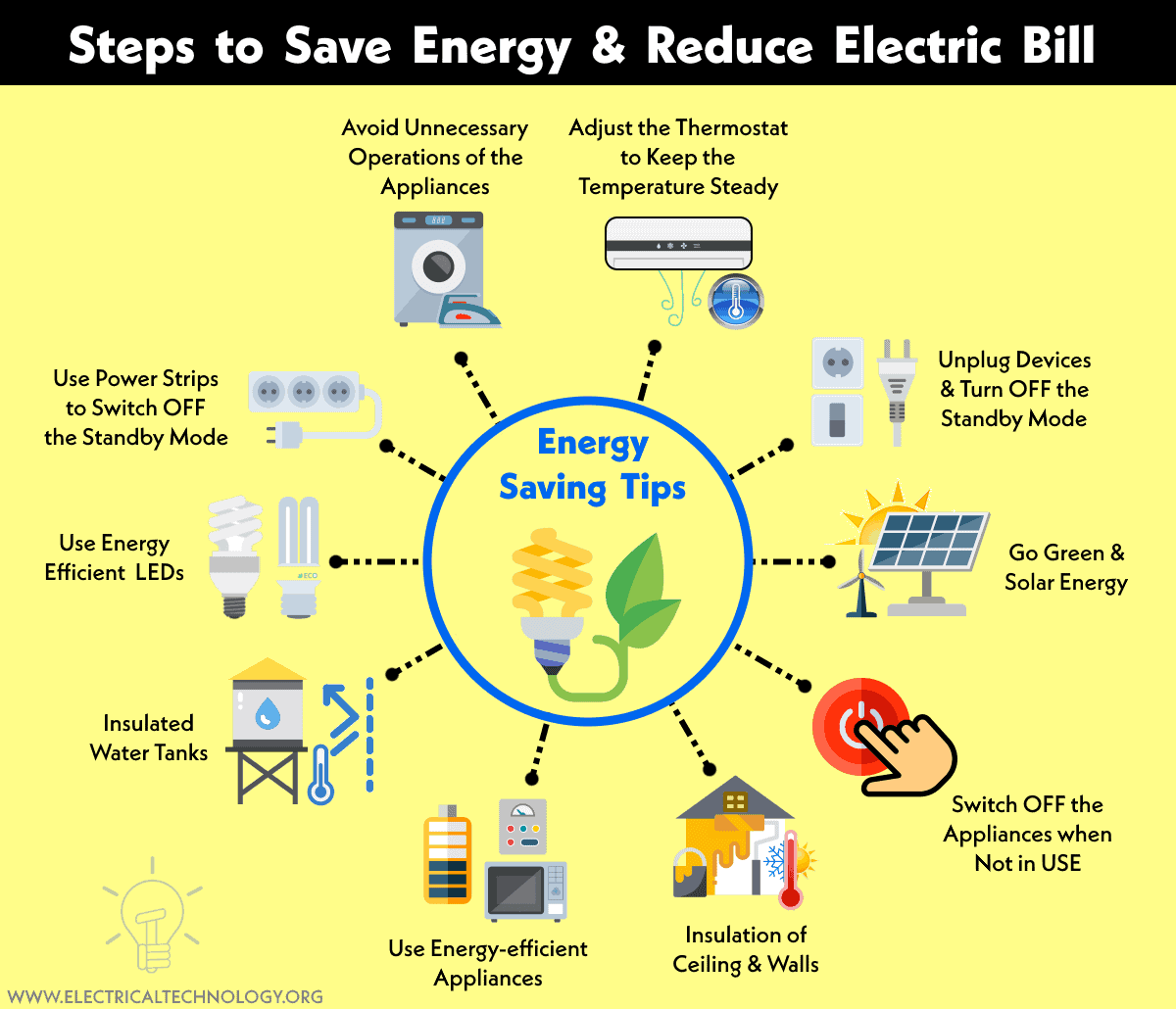
In the kitchen, if you're cooking something small, consider using a microwave or a toaster oven instead of heating up your entire conventional oven. And if you are using the oven or stovetop, put a lid on your pots and pans! It traps the heat and cooks food faster, using less energy. See? Simple choices!
Hot Water: Not So Hot for Your Wallet
Speaking of heating water, your water heater is another big energy consumer. Most water heaters are set to a default temperature that's honestly hotter than you probably need. Try lowering the temperature on your water heater to around 120°F (49°C). It's still plenty hot for showers and dishes, but uses less energy to maintain. If you have an older water heater, consider insulating it with a water heater blanket. It’s a cheap fix that keeps the heat in.
So, there you have it. My journey from bill shock to bill smart. It's not about huge sacrifices, but about making a bunch of small, conscious choices throughout your day. These aren't just tips for saving money (though that's a huge bonus, obviously!). They're also about being a bit more mindful about our energy consumption. Give a few of these a try, and I bet you'll be pleasantly surprised when that next electric bill lands in your inbox. No more gasps, just maybe a little fist pump of victory! You got this!
