Ways Carbon Is Released Into The Atmosphere
Alright, pull up a chair, grab a ridiculously oversized latte, and let's talk carbon. Specifically, how this little rascal keeps escaping into the atmosphere and causing all sorts of delightful chaos. Don't worry, I promise not to bore you with graphs and equations. Think of this as carbon emissions 101, taught by your slightly-too-enthusiastic (but undeniably hilarious) friend.
Fossil Fuel Fun (Not Really)
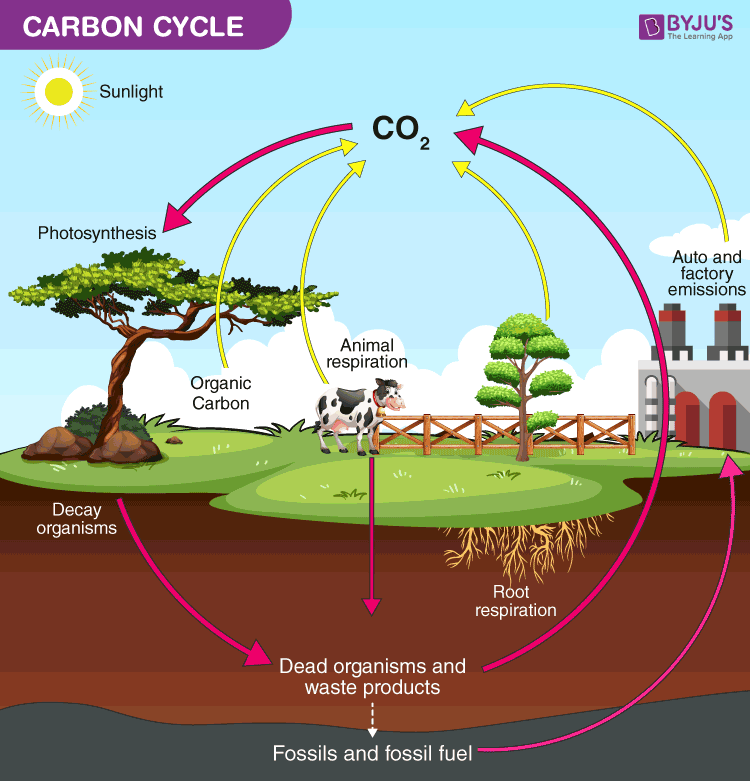
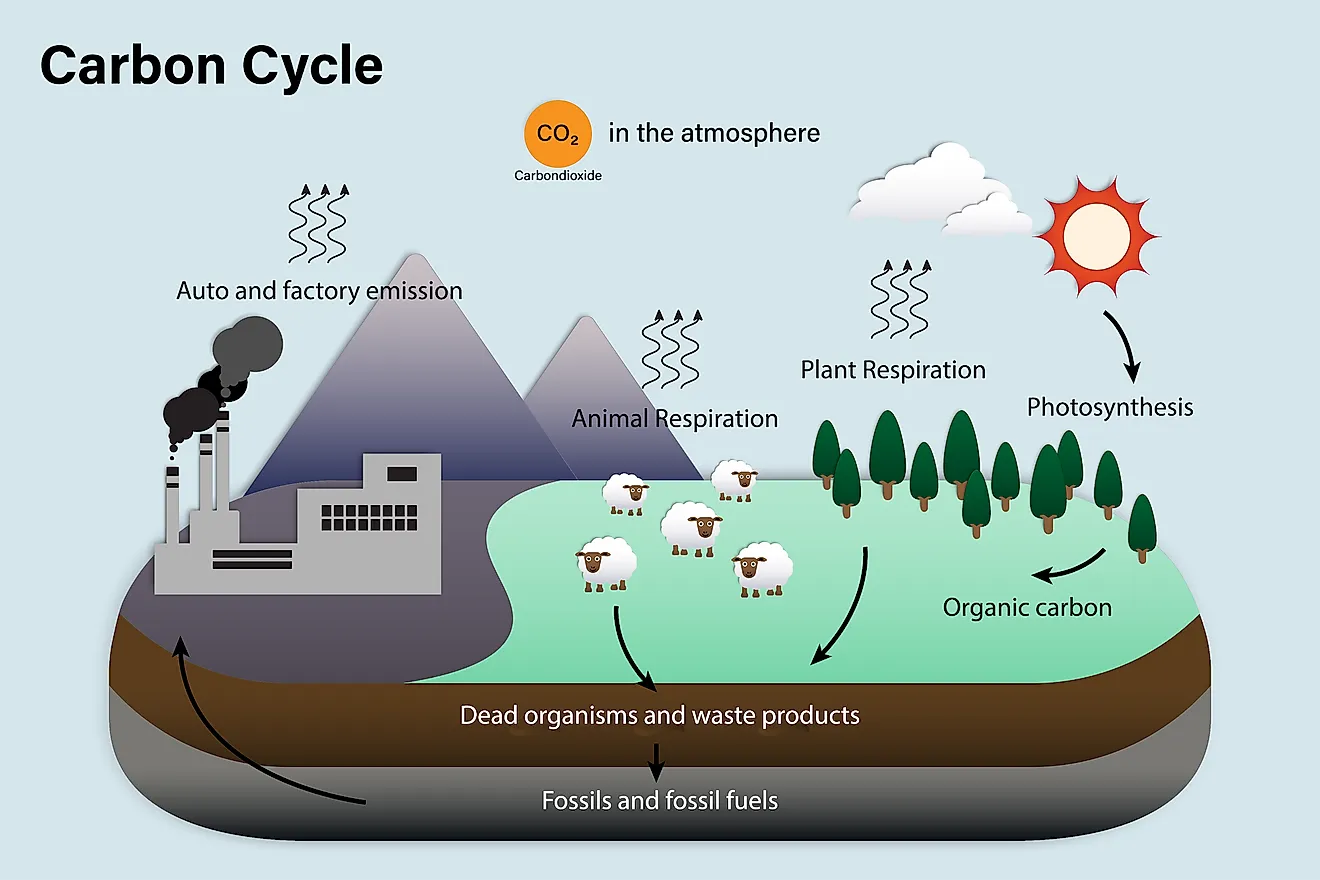
Okay, let's start with the biggie: fossil fuels. You know, those dinosaur smoothies we've been slurping up for energy? Coal, oil, natural gas – they're basically ancient sunshine bottled up and buried underground. For millions of years, this carbon was chilling, minding its own business. Then we came along, dug it up, and set it on fire. Because, well, fire is awesome, right? Except, the awesomeness comes with a hefty carbon price tag. When we burn these bad boys, we release all that stored carbon back into the atmosphere as carbon dioxide (CO2). It's like releasing a genie…a genie that makes the planet a tad toastier.
Think of it this way: imagine you’ve been holding your breath for, say, a million years. The moment you finally exhale, BOOM! Instant air pollution. Okay, maybe not instant pollution, but you get the idea.
Must Read
Deforestation: Tree-son!
Next up: our leafy green buddies! Trees, bless their chlorophyll-filled hearts, are like carbon vacuum cleaners. They suck CO2 out of the air during photosynthesis and store it in their wood, leaves, and roots. They’re basically tiny, adorable carbon sequestration machines. So, what happens when we chop them down? Well, not only do we lose our precious air purifiers, but all that stored carbon is released back into the atmosphere, either through burning the wood or decomposition. It's like dismantling a perfectly good air filter and then setting it on fire. Double whammy!
It's estimated that deforestation contributes a significant chunk of global CO2 emissions. Every time we clear a forest to make way for, say, a soy farm (destined to feed cows which emit…well, we’ll get there), we're essentially signing carbon's release papers. So, next time you see a majestic tree, give it a hug. It's fighting the good fight.
Agricultural Antics
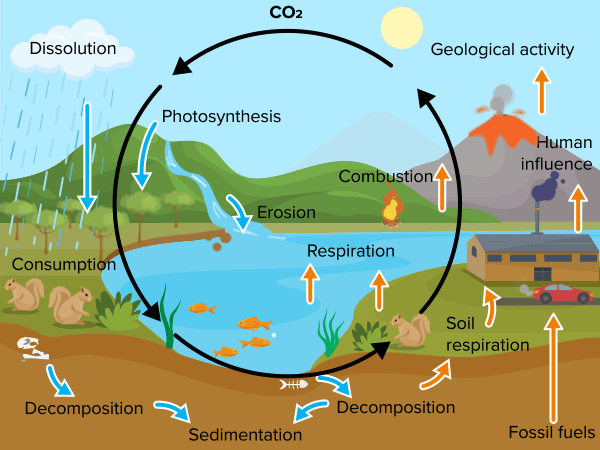
Speaking of cows… let's talk about agriculture. Now, farming isn't inherently evil, but certain practices can be, shall we say, carbon-intensive. Firstly, there’s the whole fertilizer situation. Many fertilizers contain nitrogen, and when nitrogen-based fertilizers break down in the soil, they release nitrous oxide (N2O), a greenhouse gas even more potent than CO2. Think of it as CO2's evil twin, with a wicked mustache and a penchant for causing global warming.
Then there are the animals. Specifically, ruminants like cows and sheep. These adorable, cud-chewing creatures have a complex digestive system that produces…methane. And methane is a potent greenhouse gas too. So, basically, every time a cow burps (or does other, less mentionable things), it's contributing to climate change. It’s a bit harsh to blame the poor cows entirely, but it's a factor we can't ignore. Maybe we should introduce cow burp taxes? (Just kidding… mostly).
Volcanic Vengeance (and Other Natural Shenanigans)
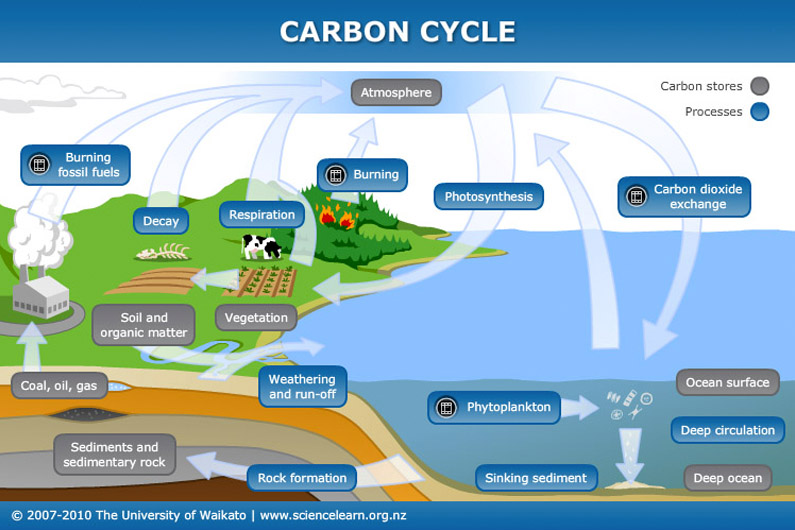
Of course, humans aren't the only ones responsible for releasing carbon. Mother Nature has her moments too. Volcanoes, for instance, are notorious for spewing vast amounts of CO2 into the atmosphere when they erupt. It's like the Earth having a really bad case of indigestion.
Respiration: Even you are exhaling carbon dioxide right now! Breathing. That thing that keeps you alive. But don't feel bad. Respiration is a natural part of the carbon cycle. Plants do the opposite and absorb carbon dioxide. Thank you, plants.

The good news? These natural sources have been around for millennia, and the Earth has generally managed to balance things out. The problem is that our activities are releasing carbon at a rate that's way faster than the planet can handle. It's like trying to empty a bathtub with a teaspoon while someone's simultaneously filling it with a firehose.
Cement's Shady Secret
Bet you weren't expecting this one! Cement production, the stuff that holds our buildings together, is actually a surprisingly significant source of CO2. The process of making cement involves heating limestone, which releases CO2 as a byproduct. It's like making a delicious cake…that also poisons the air. Okay, that’s a slight exaggeration, but you get the point.
In Conclusion: Let's Not Be Carbon Criminals
So, there you have it: a whirlwind tour of the many ways carbon makes its way into the atmosphere. From burning fossil fuels to cow burps to volcanoes, it's a complex and interconnected web. But the key takeaway is that human activities are significantly accelerating the process, leading to climate change. The good news is that we can do something about it! By transitioning to renewable energy, reducing deforestation, adopting sustainable agricultural practices, and, yes, even cutting back on our beef consumption, we can help slow down the carbon express and create a healthier, more sustainable future. And who knows, maybe one day cows will have burp filters. A guy can dream, right?