
Volume Of Hemisphere Calculator

Ever looked at half an orange and wondered, "How much juicy goodness is actually in there?" Maybe not. But humor me! Turns out, there's a surprisingly neat way to figure that out, without resorting to messy juicing and graduated cylinders. Enter: the volume of a hemisphere calculator!
Now, I know what you're thinking: "Hemisphere? Volume? Math?! Yawn." But hold on! This isn't your grandma's dusty geometry textbook. This is about unlocking the secrets of… well, half-spheres. And honestly, they're everywhere.
Half-Spheres are Sneaky!
Think about it. Domes on buildings? Half-spheres! Those cute little measuring cups shaped like scoops? Likely, a hemisphere (or close enough for baking purposes). Even certain types of ice cream scoops leave you with a delicious, roughly hemispherical treat.
Must Read
So, knowing how to calculate the volume of a hemisphere isn't just abstract math. It's a practical life skill! Okay, maybe "practical" is a bit strong. But it's definitely interesting.
From Orange Segments to the Formula
Let's say you're staring down that half-orange again. Cutting it into segments and estimating the juice in each is tedious. There's a better way, I promise!
It all boils down to one simple thing: the radius. The radius is the distance from the very center of the flat, circular side of the hemisphere to its edge.
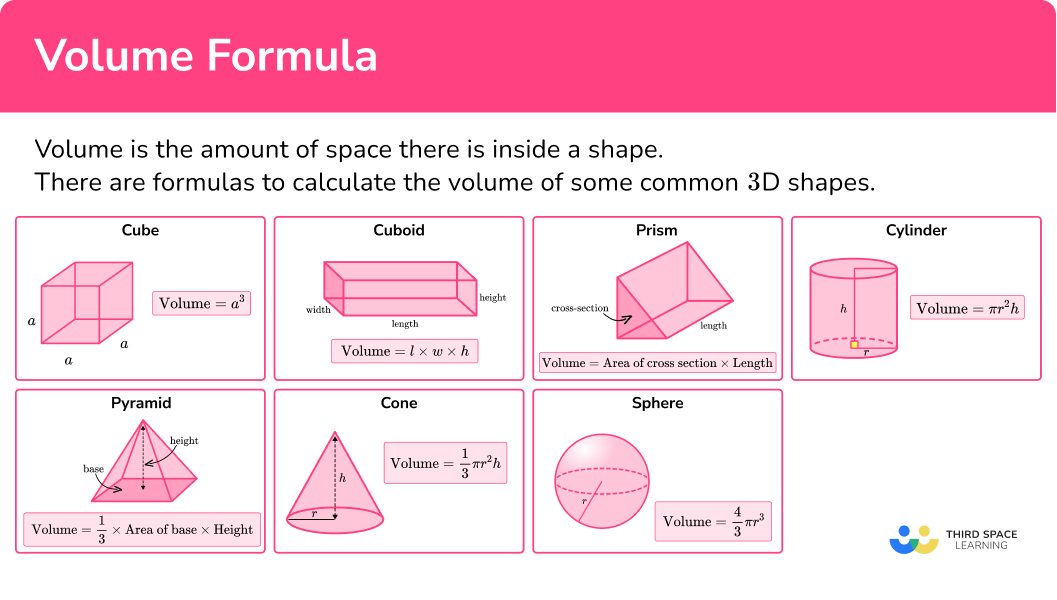
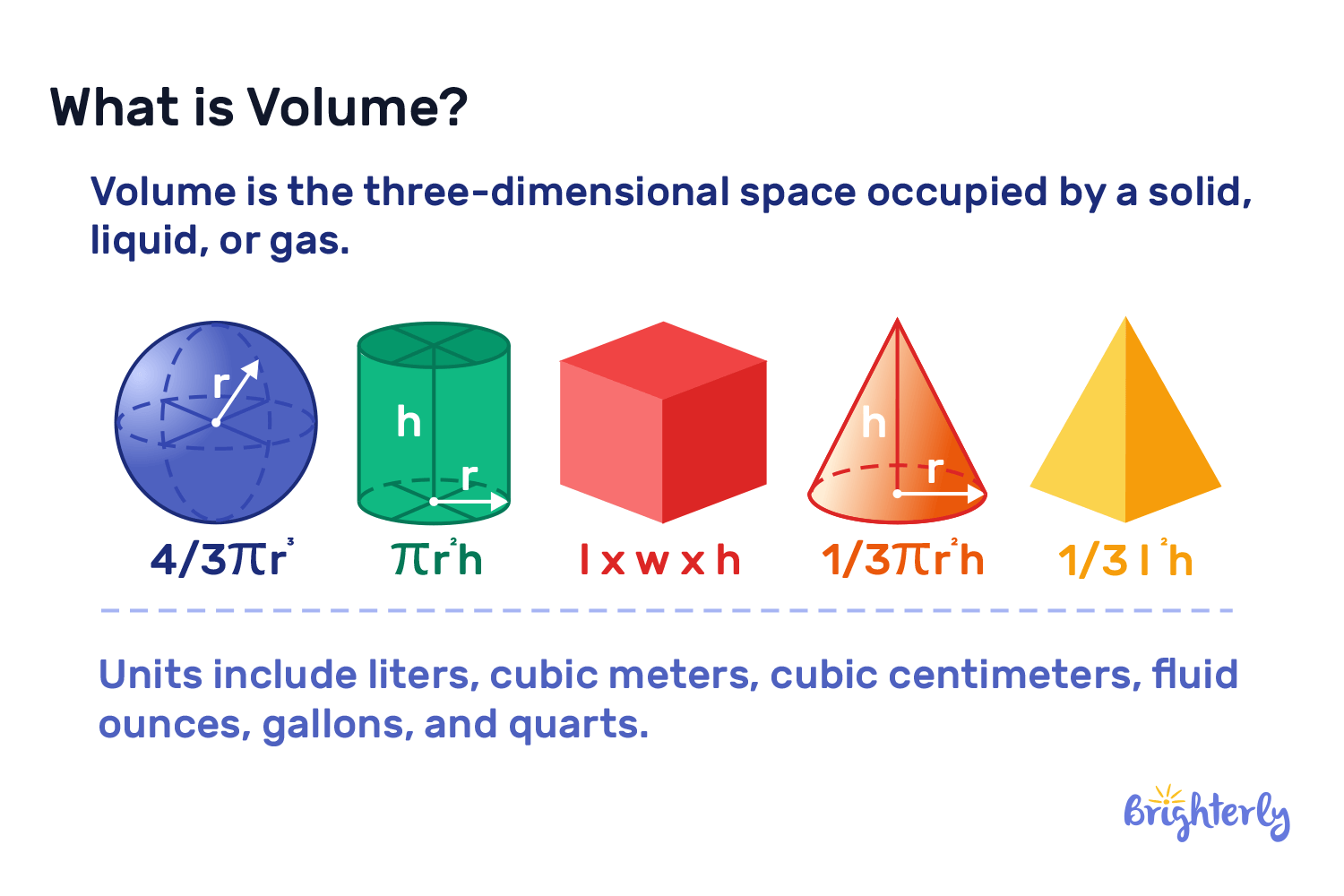
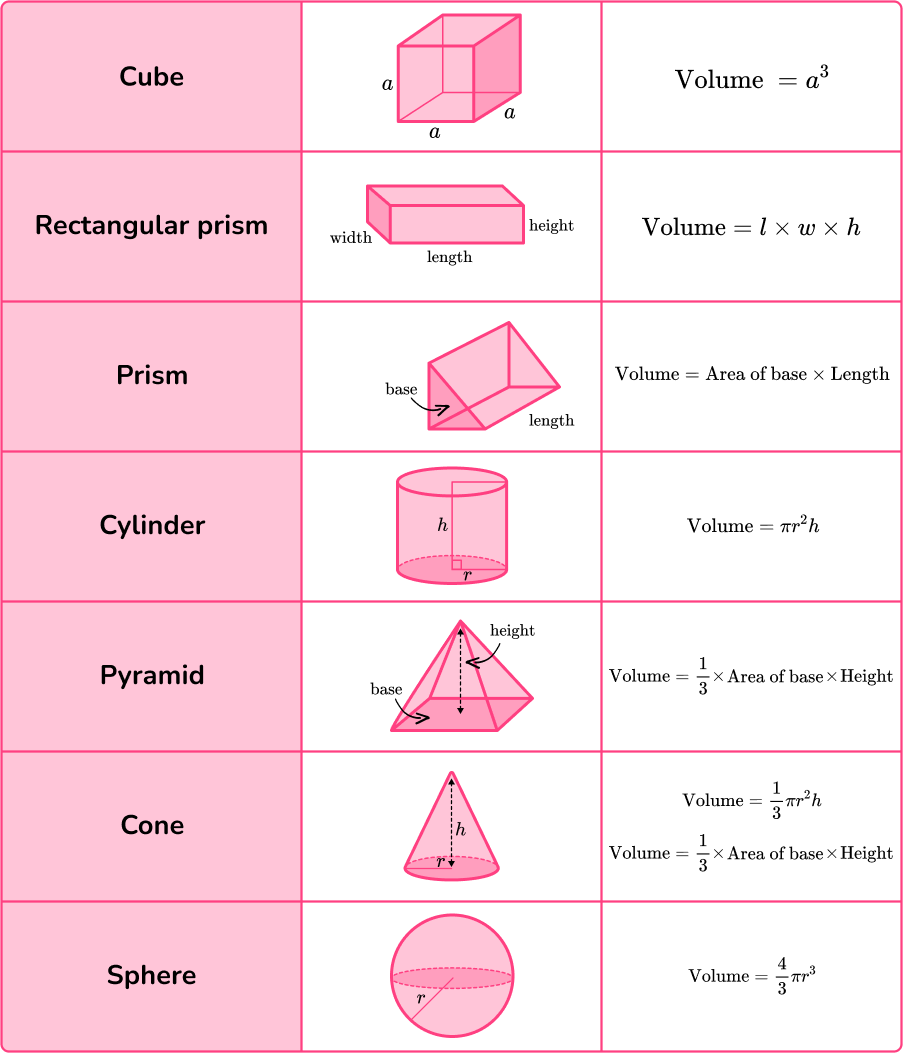
Once you know the radius, the magic formula is (drumroll, please): 2/3 * π * r³. In plain English, that's two-thirds times pi (about 3.14159) times the radius cubed (radius multiplied by itself three times). BOOM!
The Calculator to the Rescue!
Now, you could grab your calculator, dust off your algebra skills, and meticulously plug in the numbers. Or, you could embrace the 21st century and use a volume of hemisphere calculator.
These handy online tools do all the heavy lifting. You just input the radius, and voilà! The volume pops out, ready to amaze your friends and family. "Did you know I just calculated the volume of this cantaloupe half?" Instant party conversation starter.
Why a Calculator? Sanity, Mostly.
Let's be honest, cubing numbers and multiplying by fractions isn't everyone's idea of a good time. Especially when you're trying to figure out how much water your pet turtle's dome-shaped habitat will hold.
A calculator eliminates the risk of silly math errors. Plus, it saves you precious brainpower for more important things. Like pondering the meaning of life, or deciding what to have for dinner.
Hemispheres in Unexpected Places
Once you start thinking about hemispheres, you'll see them everywhere. The geodesic domes at Epcot? Collections of interconnected hemispheres! The base of some fancy lamps? You guessed it – often a hemisphere.
Consider those cool, spherical ice molds for whiskey. Cut one in half, and you have… well, two hemispheres! But the point is, the concept is more relevant than you might think.

The Case of the Overly Generous Ice Cream Scoop
Imagine this: You're at your favorite ice cream parlor. The scooper, bless their heart, piles on a truly magnificent scoop of rocky road. It's practically a perfect hemisphere.
Using your newfound hemisphere-volume knowledge (and a quick estimation of the radius), you can now mentally calculate just how much ice cream you're about to devour. Is this information necessary? Absolutely not. Is it amazing? Undeniably.
More Than Just Math: It's a Feeling
There's something deeply satisfying about understanding the world around you, even in small ways. Knowing how to calculate the volume of a hemisphere is like having a secret superpower.
You can impress people with your mathematical prowess (or at least, your ability to use a calculator effectively). You can solve real-world problems (like figuring out if that new bowl is big enough for your goldfish, Nemo). And, you can appreciate the hidden geometry in everyday objects.
Sharing the Hemispherical Love
The best part about learning something new is sharing it with others! Teach a friend about the volume of a hemisphere. Explain it to your kids. Casually drop it into conversation at your next cocktail party.
They may look at you strangely at first. But deep down, they'll be secretly impressed by your intellectual curiosity. And who knows, you might just inspire them to explore the wonderful world of geometry themselves!
Embrace the Imperfect Hemisphere!
Of course, not everything in life is a perfect hemisphere. Your ice cream scoop might be slightly squashed. Your orange half might be a little lopsided. That's okay!
The beauty of the volume of a hemisphere calculator is that it gives you a good approximation. It's a starting point for understanding the world around you, even when things aren't perfectly symmetrical.
From Eggshells to Moon Craters (Sort Of)
Think about an eggshell. While not perfectly hemispherical, it's close enough that the concept can be applied. And what about craters on the moon? Some of the smaller ones might resemble hemispheres (from a certain angle, on a good day, with a healthy dose of imagination, obviously).
The point is, the principle applies even in situations where the shape isn't ideal. It's about understanding the underlying math and using it to make educated guesses about the world.
The Hemispherical Takeaway
So, the next time you encounter a half-sphere in the wild, don't just see it as a shape. See it as an opportunity! An opportunity to flex your mathematical muscles (with the help of a calculator, of course).
An opportunity to impress your friends. And, most importantly, an opportunity to appreciate the beauty and elegance of geometry, even in the most unexpected places. Embrace the hemisphere! It's more fun than you think. And remember, volume of hemisphere calculator is your friend.
Beyond the Basics: A World of Spherical Wonders
Calculating the volume of a hemisphere is just the beginning. From here, you can delve into the fascinating world of spheres, cones, cylinders, and all sorts of other geometric shapes.
There are whole branches of mathematics dedicated to studying these objects. Who knows, you might just discover a hidden passion for geometry! Or, at the very least, you'll have some interesting facts to share at your next trivia night.
Final Thoughts: Have Fun With It!
Ultimately, learning about the volume of a hemisphere (or anything else, for that matter) should be enjoyable. Don't get bogged down in the technical details. Focus on the big picture and the practical applications.
And most importantly, don't be afraid to make mistakes. That's how we learn! So go forth, explore the world of hemispheres, and have fun calculating. And always, always, have a calculator handy!