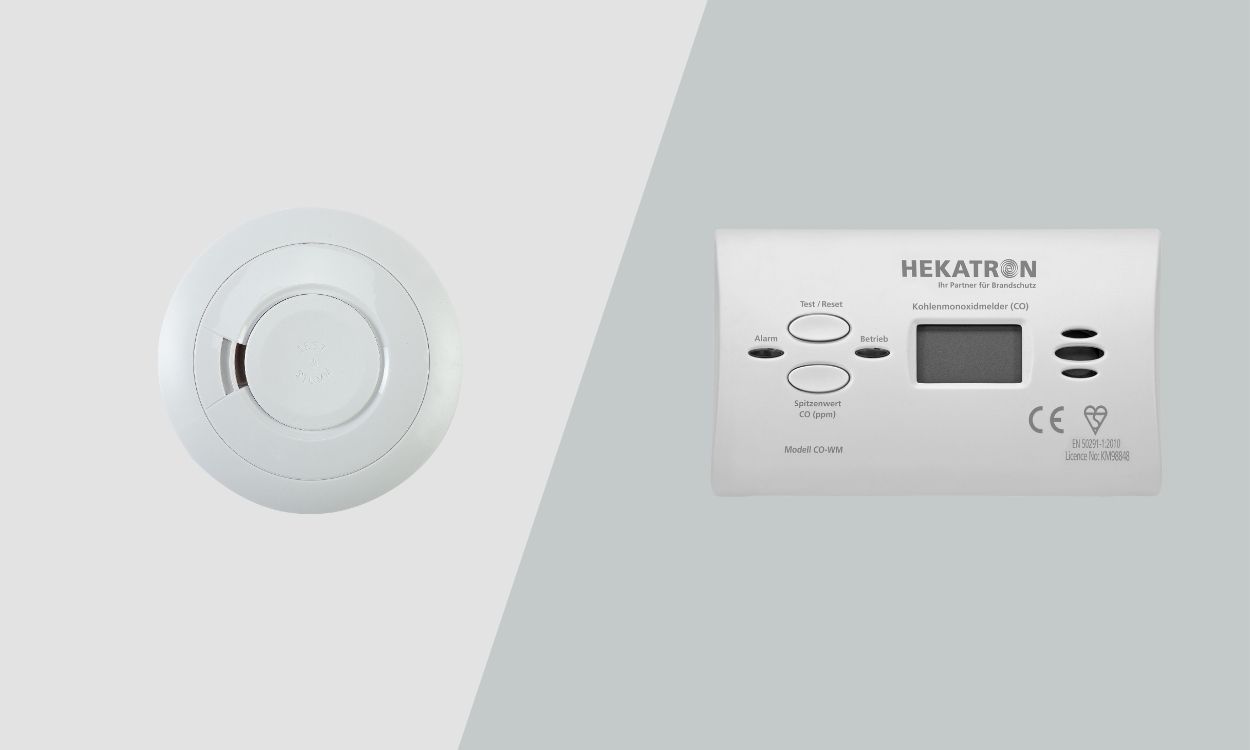
Visual Difference Between Smoke And Carbon Monoxide Detectors
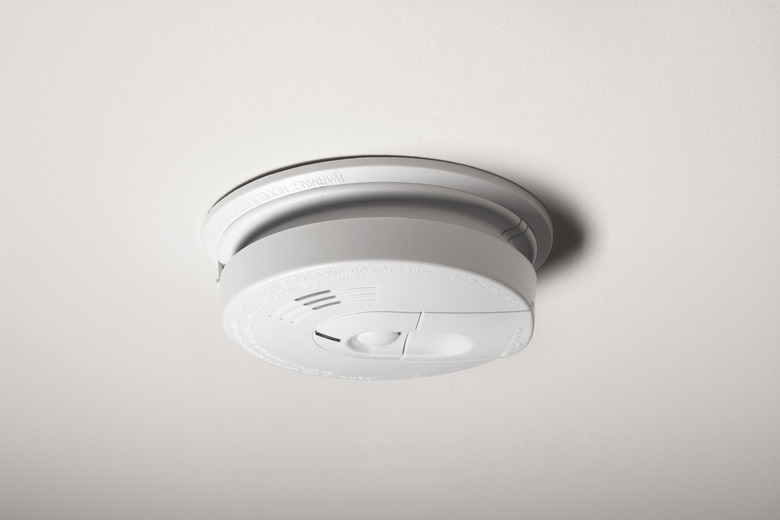
Have you ever looked up at those little discs on your ceiling or wall and wondered, "What exactly is that thing doing up there?" Or perhaps, "Is it the one that screams when I burn toast, or the one that's looking out for something more sinister?" It's a fun little game of visual detective work that can actually make a big difference in keeping your home and loved ones safe. Getting curious about the visual differences between smoke and carbon monoxide detectors isn't just a quirky pastime; it's a peek into the simple yet profound world of home safety, and it's surprisingly easy to learn!
The core purpose of these unsung heroes is clear: to protect us. A smoke detector is specifically designed to sense the presence of smoke, usually an early indicator of fire. Its benefit is giving you precious moments to escape or extinguish a blaze before it becomes uncontrollable. On the other hand, a carbon monoxide (CO) detector has a completely different, but equally vital, job. It sniffs out carbon monoxide, an odorless, colorless, and highly toxic gas often referred to as the "silent killer." The benefit of knowing which is which goes beyond mere identification; it ensures you understand what each device is protecting you from, allowing for correct placement and maintenance, ultimately providing immense peace of mind.
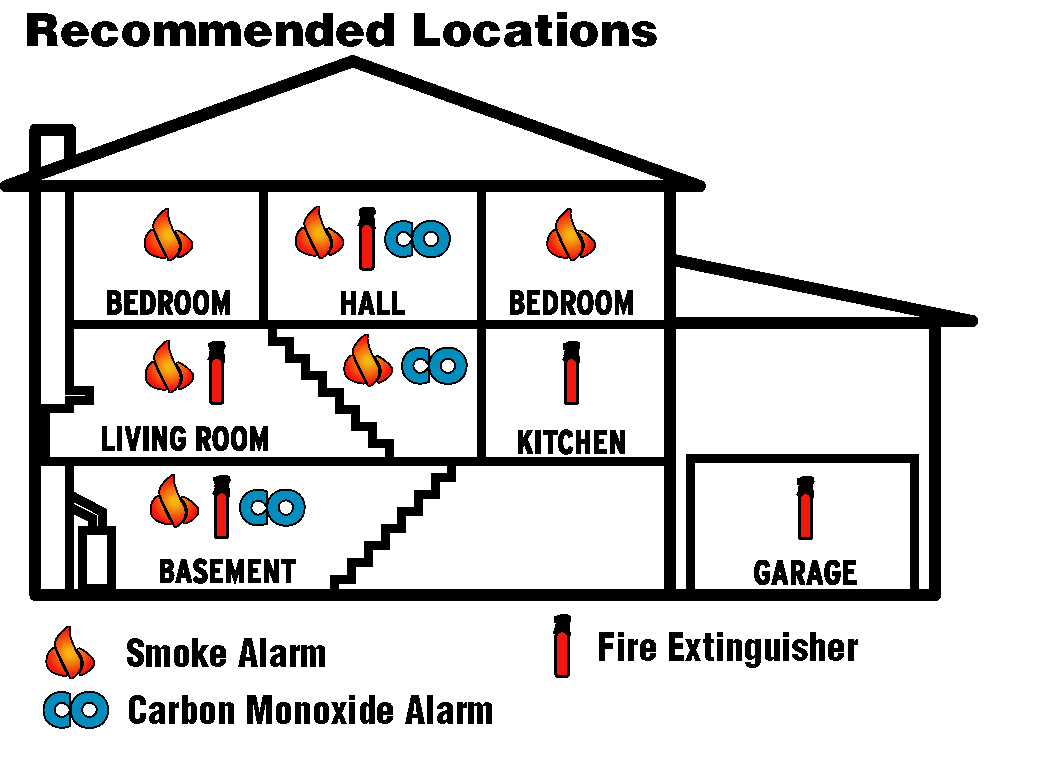
These detectors play crucial roles in daily life and offer great educational opportunities. In your own home, knowing the difference allows you to properly place them. You'll want smoke detectors in hallways, bedrooms, and near kitchens, while CO detectors are best placed near fuel-burning appliances (like furnaces, water heaters, or gas stoves) and in sleeping areas. Visiting a friend's new apartment? A quick glance can tell you if their safety setup is comprehensive. For education, it's a fantastic topic for a family discussion on home safety, or even a community workshop. Imagine explaining to kids why "the one that goes beep for toast" is different from "the one for invisible gas." It demystifies these essential devices and empowers everyone with life-saving knowledge.
Must Read
Ready to become a home safety visual expert? Here are some practical tips to explore these differences. First, and most reliably, look for labels! Many detectors will explicitly say "SMOKE," "CARBON MONOXIDE," "CO," or "SMOKE & CO" (for combination units). Beyond labels, there are often subtle visual cues. Smoke detectors are typically larger, flatter discs designed to cover a broad area. CO detectors, especially older models, might be smaller, more compact, or sometimes have a small digital display showing CO levels. Another clue is placement: smoke detectors are generally high on walls or ceilings, while CO detectors, because CO mixes with air more easily, can sometimes be placed lower, though manufacturer instructions should always be followed. Finally, engage with them! Hit the test button on each; they often have different alert sounds. Consult the user manual (or look it up online) for your specific models. With a little curiosity, you'll quickly become adept at identifying these crucial guardians of your home.
P