
Vintage Childs Tea Set Made In Occupied Japan
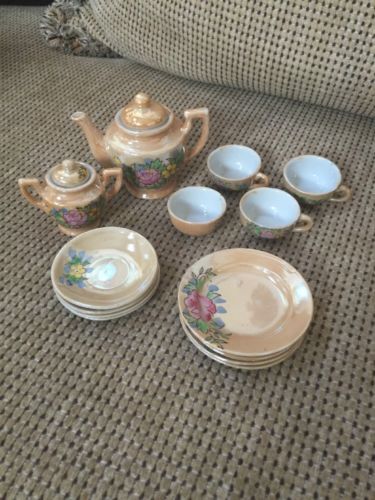
Hey, wanna hear about something totally adorable? I'm talking teeny-tiny, makes-you-squeal-with-delight adorable. I'm talking... Vintage Child's Tea Sets Made In Occupied Japan! Yes, you heard right. Get ready to dive into a miniature world of porcelain, history, and the cutest little floral patterns you've ever seen.
Now, before you picture me sipping Earl Grey from a thimble-sized cup (tempting, I admit!), let's get down to brass tacks. What exactly is "Occupied Japan?"
Well, after World War II, Japan was under Allied occupation, primarily by the United States. This lasted from 1945 to 1952. During this time, items produced for export were often marked with "Made in Occupied Japan" or "Occupied Japan." It's like a little historical stamp, telling you exactly when and where your charming tea set (or other collectible) came from. Pretty cool, huh?
Must Read
Why are these tea sets so special?
Okay, so beyond the history lesson (which, admit it, was kinda interesting!), what makes these tea sets so darn collectible? A few things, actually.
Firstly, the nostalgia factor is HUGE. These little sets often evoke memories of childhood, of playing "tea party" with grandma, or pretending to be a sophisticated hostess (even if you were spilling more tea than you were drinking!). It's like a time machine in porcelain form.
Secondly, the craftsmanship is often surprisingly good. Despite being mass-produced for export, many of these sets are beautifully painted with intricate details. We're talking delicate flowers, tiny gold accents, and shapes that are just, well, perfect for little hands. They definitely don't make 'em like they used to!
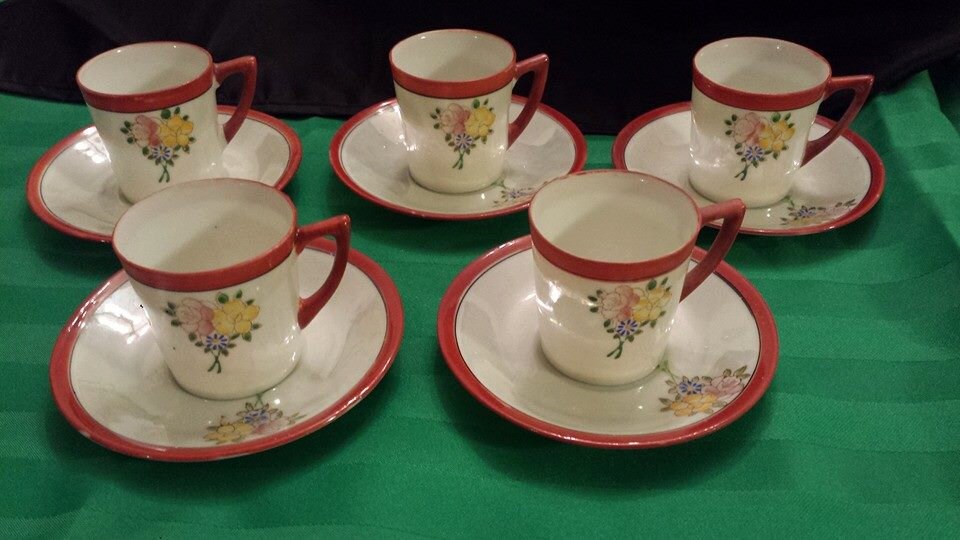
Thirdly, there's the rarity. While not every "Occupied Japan" item is worth a fortune, certain patterns, sizes, and conditions can significantly impact their value. Finding a complete set with all its original pieces? That's like discovering a buried treasure (okay, maybe a slightly less glamorous treasure, but still!).
What to Look For When Collecting
So, you're hooked, right? You're picturing yourself scouring antique shops and online auctions, ready to become the proud owner of a teeny-tiny teapot. Excellent! Here are a few things to keep in mind:
The Mark: This is crucial! Look for the "Made in Occupied Japan" or "Occupied Japan" mark. It's usually on the bottom of the teacups, teapot, or saucers. If it's missing, it might not be the real deal. (Sorry to burst your bubble!)
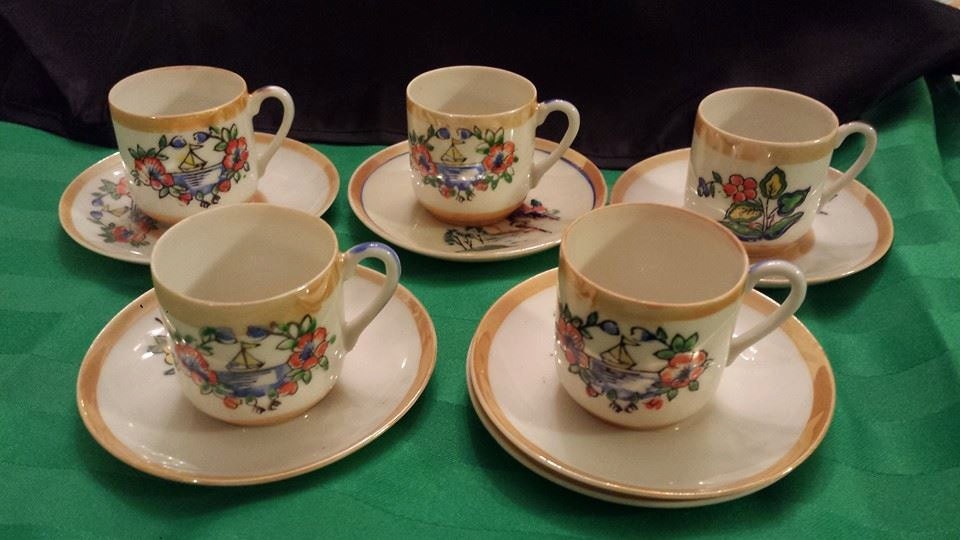
Condition: Let's face it, these sets were played with. Expect some wear and tear. Minor chips or crazing (those little cracks in the glaze) aren't necessarily deal-breakers, but major damage will affect the value.
Completeness: A complete set, with all its original pieces, is always more valuable than a partial one. Check for teacups, saucers, teapot, sugar bowl, creamer, and even little plates. The more, the merrier!
Pattern: Some patterns are more desirable than others. Floral patterns are common, but unique or unusual designs can be highly sought after. Do a little research to see what's trending.
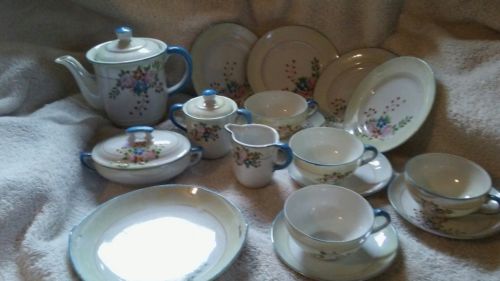
Price: Prices can vary widely depending on condition, rarity, and desirability. Do your homework before you buy! Don't get swept away by the cuteness and overpay.
Beyond the Tea Party: Displaying and Appreciating Your Collection
So, you've found your perfect tea set. Now what? Don't just shove it in a box! These little treasures deserve to be displayed and admired.
Consider a curio cabinet, a glass shelf, or even a dedicated tea party display in your dining room. (Okay, maybe that's a bit much, but you get the idea!) Light them well to show off the intricate details.

And most importantly, enjoy them! These vintage tea sets are more than just collectibles; they're tiny time capsules, connecting you to a bygone era. They represent childhood innocence, meticulous craftsmanship, and a little bit of history all wrapped up in porcelain prettiness.
Whether you're a seasoned collector or just starting out, the world of "Occupied Japan" child's tea sets is a delightful one to explore. So, go forth, hunt for treasures, and remember to appreciate the small joys in life – like a perfectly petite teapot that whispers tales of tea parties past.
Happy Collecting!