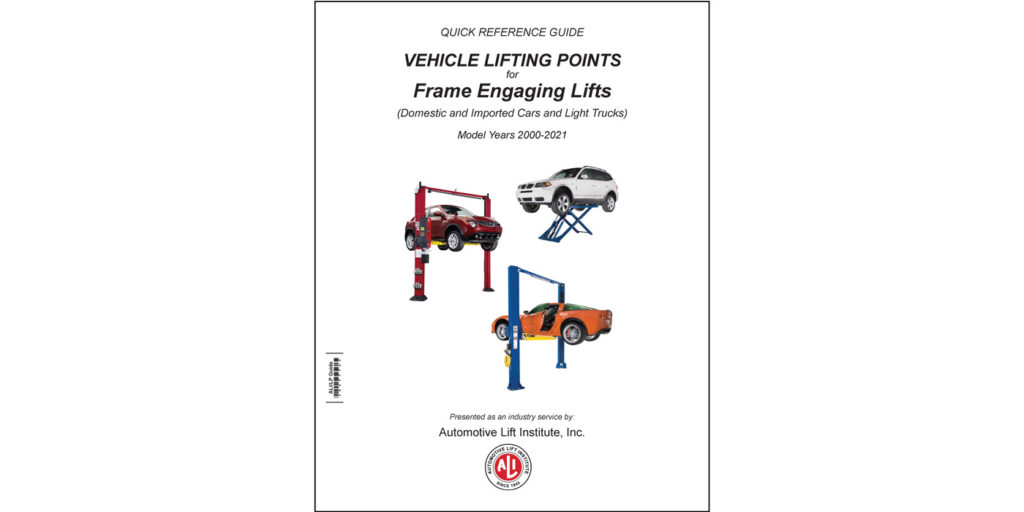
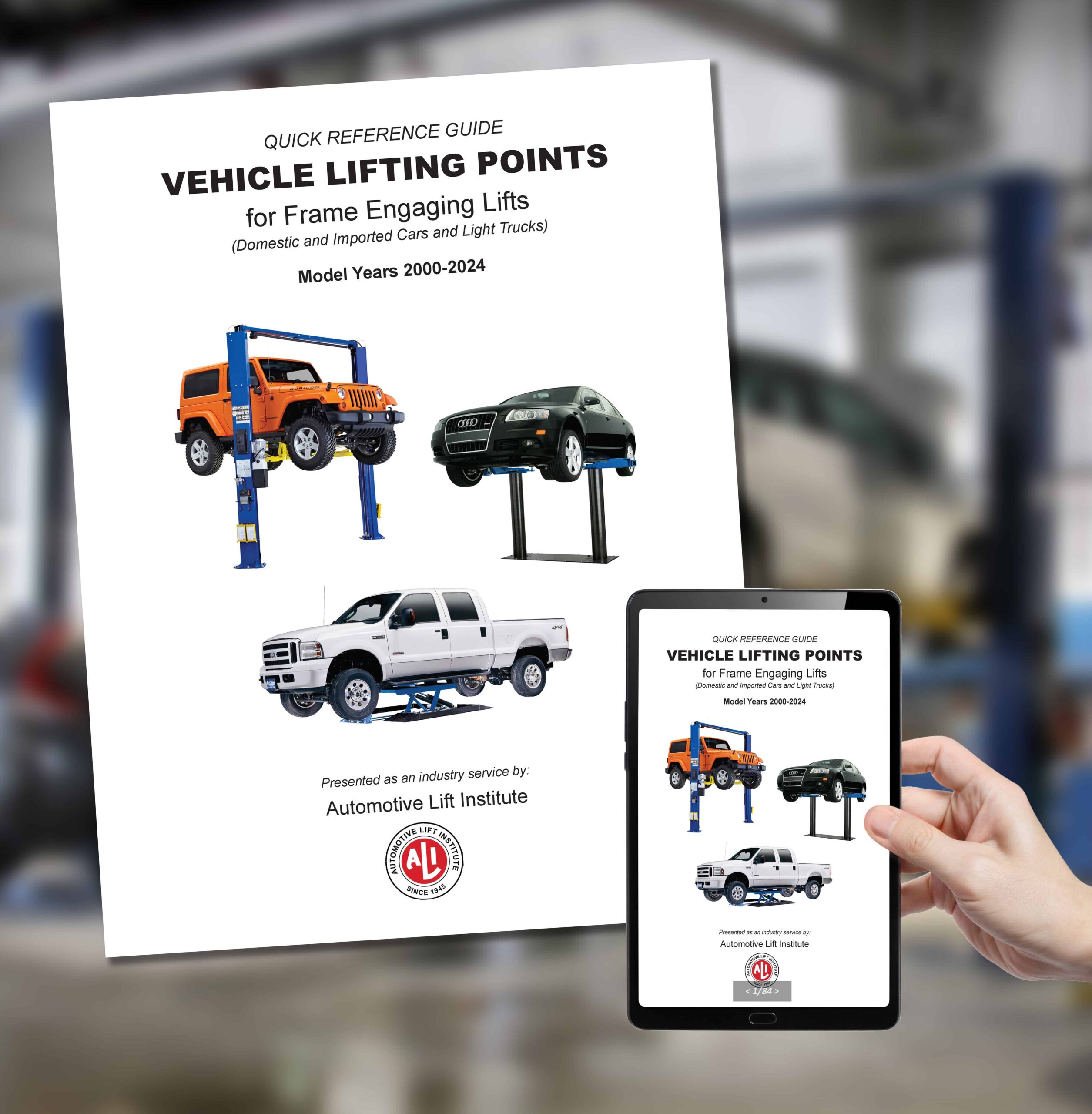
Vehicle Lifting Points Guide Pdf Free Download
Ever watched a mechanic smoothly hoist a car into the air and wondered how they knew exactly where to place those lift arms? It's not magic, it's knowledge – and the secret lies in understanding vehicle lifting points. It might sound technical, but exploring the world of vehicle lifting points is surprisingly fascinating, especially if you're even remotely interested in cars, DIY repairs, or simply understanding how things work. Forget dry textbooks; this is about unlocking a hidden layer of automotive understanding that's both practical and empowering.
So, what exactly is a vehicle lifting points guide? Simply put, it's a detailed map of your car, truck, or SUV, highlighting the specific locations designed to safely support the vehicle's weight when being lifted. Think of it like the instruction manual for safely interacting with your car's underside. These points are typically reinforced areas of the frame or chassis engineered to withstand significant loads. Using the correct lifting points is absolutely crucial. Why? Because lifting a vehicle at the wrong spot can lead to serious damage to the frame, suspension components, or even cause the vehicle to slip and fall, potentially causing injury.
The purpose of a vehicle lifting points guide is primarily safety and prevention of damage. It ensures that anyone – from a seasoned mechanic to a weekend DIYer – can safely raise a vehicle for maintenance, repairs, or even just changing a tire. The benefits are numerous: avoiding costly repairs to damaged undercarriage components, preventing potential accidents caused by unstable lifting, and empowering individuals to confidently perform basic vehicle maintenance at home. Imagine being able to safely rotate your tires, inspect your brakes, or even perform an oil change without the worry of damaging your car or injuring yourself. That’s the power of understanding lifting points.
Must Read
How is this knowledge used in education and daily life? Automotive schools and technical colleges use vehicle lifting points guides extensively as part of their curriculum. Students learn to identify these points on various vehicles, understand the importance of using the correct equipment, and practice safe lifting procedures. In daily life, understanding lifting points comes in handy for anyone who works on their own car. Even if you only ever change a flat tire, knowing where to safely position your jack is critical. Think of it as knowing your car's anatomy – understanding where its "bones" are and how they're designed to support its weight.
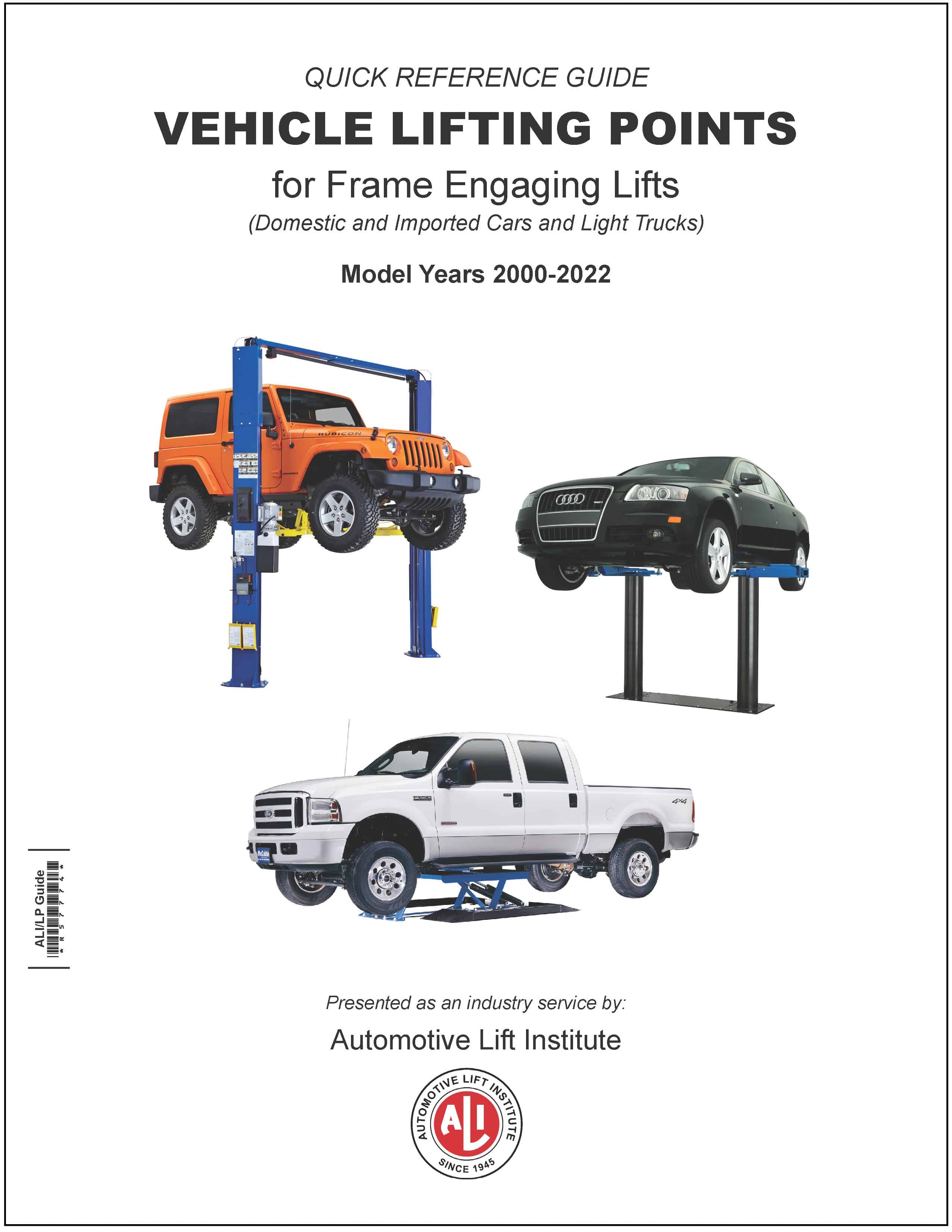
Want to explore this topic further? A good starting point is to identify the make and model of your own vehicle and search online for a "vehicle lifting points guide PDF." Many manufacturers and aftermarket parts suppliers offer these guides for free. Look for reputable sources to ensure the information is accurate and reliable. Another simple way to explore is to get under your car (safely, with proper jack stands in place!) and try to identify the reinforced areas of the frame. Compare what you see to diagrams you find online. Always prioritize safety and never rely solely on online information without verifying it with your vehicle's owner's manual or consulting a professional mechanic. Finally, remember that practice makes perfect. Once you understand the principles, try practicing locating the lifting points on different vehicles – friends' cars, family members' cars, or even cars on display at dealerships. It's a fascinating and practical skill that can empower you to be a more informed and confident car owner.