Unplugging A Fridge And Plugging It Back In
Let's be honest, "unplugging and plugging in a fridge" doesn't exactly scream excitement. But trust me, understanding this simple act is surprisingly useful and can even save you a little stress (and maybe even money!). It's like knowing how to jumpstart a car – you hope you never need it, but you're super glad you do when the time comes. Whether you're moving, deep-cleaning, or facing a power hiccup, mastering the art of the fridge unplug/replug is a mini-adulting win.
So, why should you care? For beginners, knowing the right steps ensures you don't accidentally damage your fridge or spoil all your groceries. Think of it as Fridge 101. For families, especially with young kids, a sudden power outage might have you scrambling. Knowing how to safely reset the fridge can prevent a food-related meltdown (literally!). And for the hobbyist or DIY enthusiast? Maybe you're installing new flooring and need to temporarily relocate the fridge. Or perhaps you're optimizing energy consumption and want to unplug it while you're away on vacation. The possibilities are more common than you might think!
The primary reason for unplugging a fridge is usually for safety. Imagine trying to clean behind it while the motor is humming along. No thanks! But beyond safety, it's often about efficiency. A common scenario is defrosting an older model. You unplug it, let the ice melt, clean up the water, and plug it back in, ready for fresh use. Another variation is during a prolonged power outage. While a generator might keep some appliances running, unplugging the fridge temporarily can prevent a power surge when the electricity returns. Similarly, if you're going on vacation, an empty fridge can be safely unplugged to save energy.
Must Read
Alright, let's get practical. Here are some simple tips for a smooth unplugging and replugging experience:
- Empty Perishables: This is crucial! Find a temporary home for your milk, meat, and anything else that spoils easily. A cooler with ice packs works wonders.
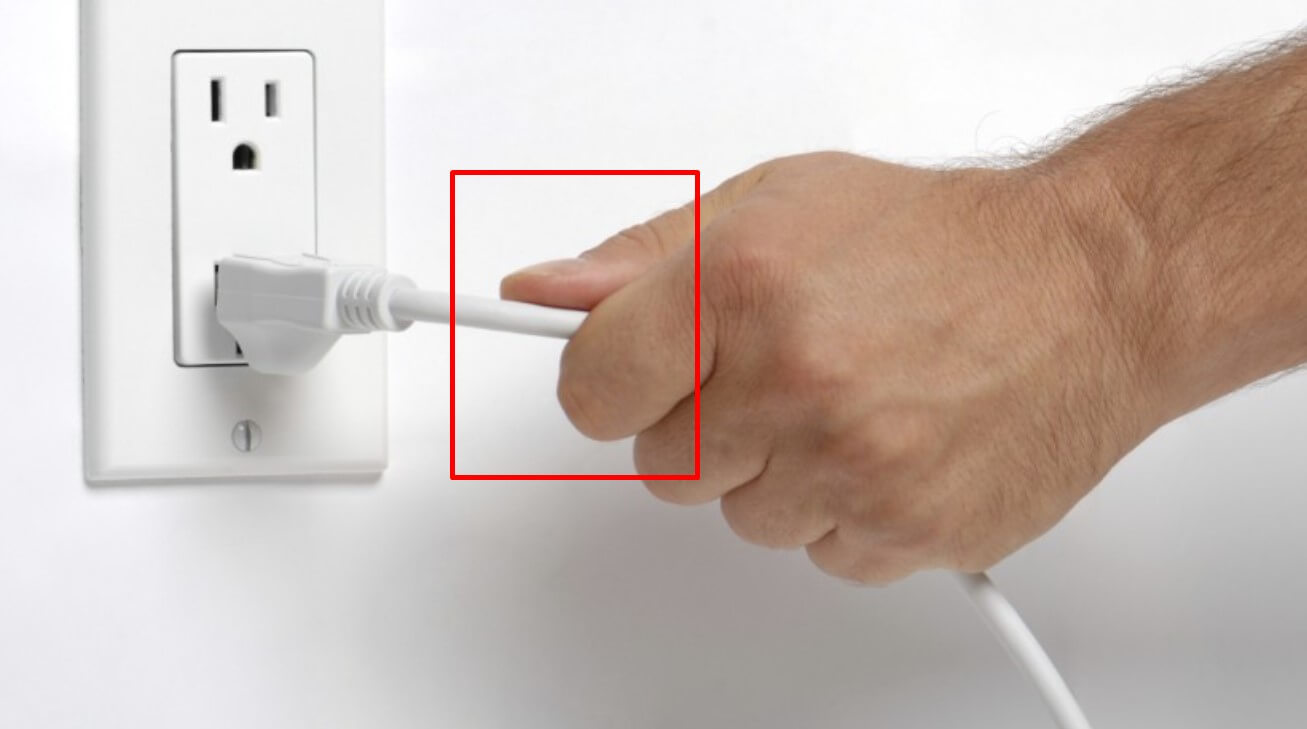
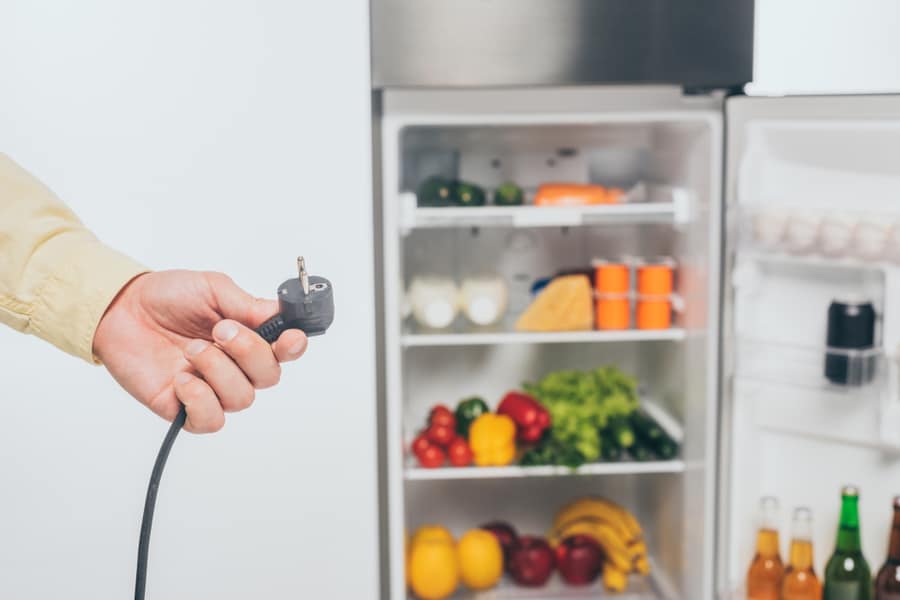
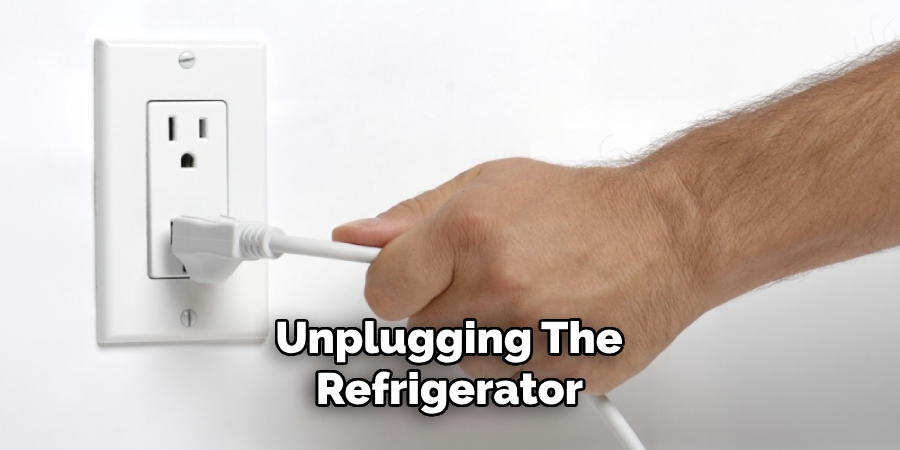
- Unplug Safely: Locate the power cord and gently pull it from the outlet. Avoid tugging on the cord itself; grip the plug firmly.
- Clean Thoroughly (Optional): While unplugged, take the opportunity to give your fridge a deep clean. Wipe down shelves, remove spills, and maybe even tackle that mysterious odor.
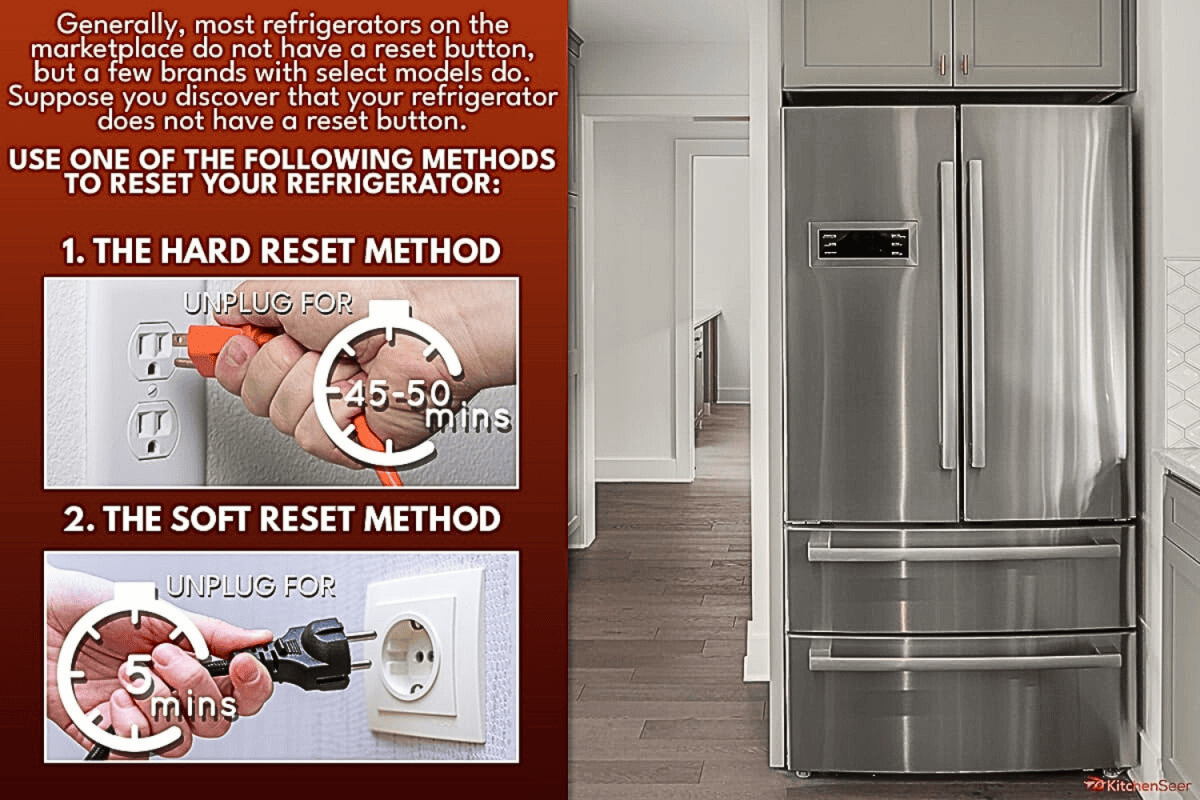
- Wait Before Replugging: This is important! After unplugging, wait at least 10-15 minutes before plugging it back in. This allows the refrigerant to stabilize and prevents potential compressor damage.
- Plug It In: Now for the grand finale! Plug the power cord back into the outlet.
- Monitor and Adjust: Give the fridge a few hours to return to its normal temperature. You may need to adjust the temperature settings.
Unplugging and replugging your fridge might seem like a mundane task, but it's a valuable skill to have. It provides peace of mind, allows for better maintenance, and can even contribute to energy savings. So, embrace the power of the plug! It's a small act that can make a big difference in keeping your food fresh and your kitchen running smoothly. Now, go forth and unplug (responsibly, of course)!
![Can You Reset A Refrigerator By Unplugging It? [2023 Guide] - Kitchen](https://kitchenseer.com/wp-content/uploads/2022/01/plug-1200x800.png)