
Universal Testing Machine For Compression Test

Hey there, friend! Ever wondered how engineers figure out if a material can handle getting squished? Like, really squished? Well, that’s where the Universal Testing Machine (UTM) comes in! Think of it as a medieval torture device… but for materials, and way more scientific (and hopefully less scream-y).
Okay, okay, maybe that's a tad dramatic. But seriously, it's a super important piece of equipment, especially when we're talking about compression tests. Let's dive in, shall we?
What's a UTM Anyway?
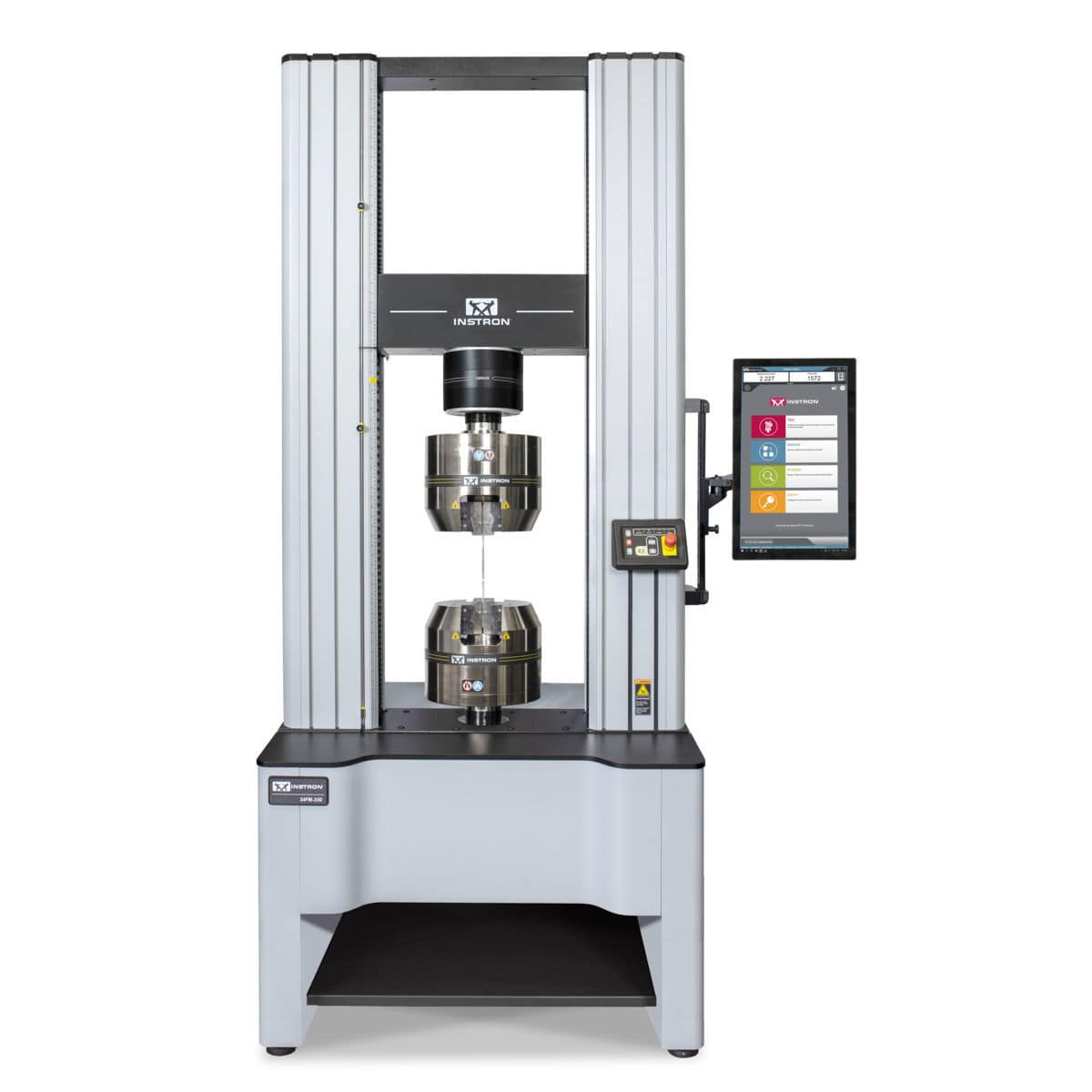
So, imagine a big, strong robot. This robot can pull, push, bend, and even twist materials to see how they react under different forces. That's essentially what a UTM does. It’s called “Universal” because it can perform a whole bunch of different tests – tension, compression, bending, shearing – you name it! It's like the Swiss Army Knife of material testing.
Must Read
For our purposes today, we’re focusing on the compression test. Basically, we're going to smoosh something until it either breaks, deforms permanently, or proves it's tough enough to handle the pressure. Think of it as giving your favorite stress ball the ultimate squeeze test. But with, you know, data!
The Compression Test: Squeeze It 'Til You Make It!
The compression test is all about measuring how a material behaves when it's being, well, compressed. We're talking about applying a force that tries to shorten or reduce the volume of the material.
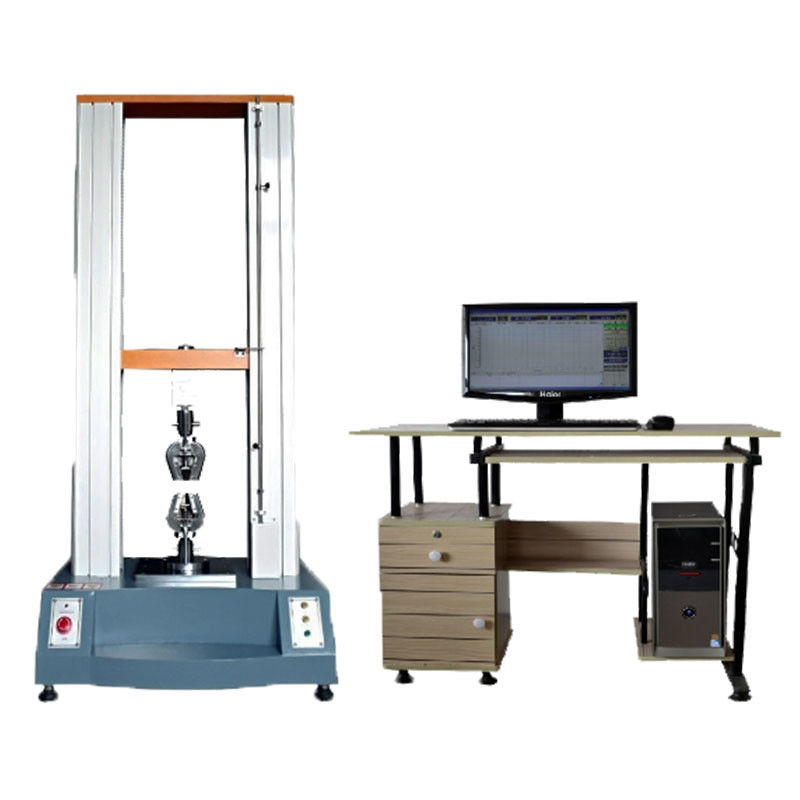
Here's the basic idea:
- Prep Time: You grab your material sample – could be concrete, wood, metal, foam… literally anything! You measure its dimensions (length, width, height) because, you know, math is important.
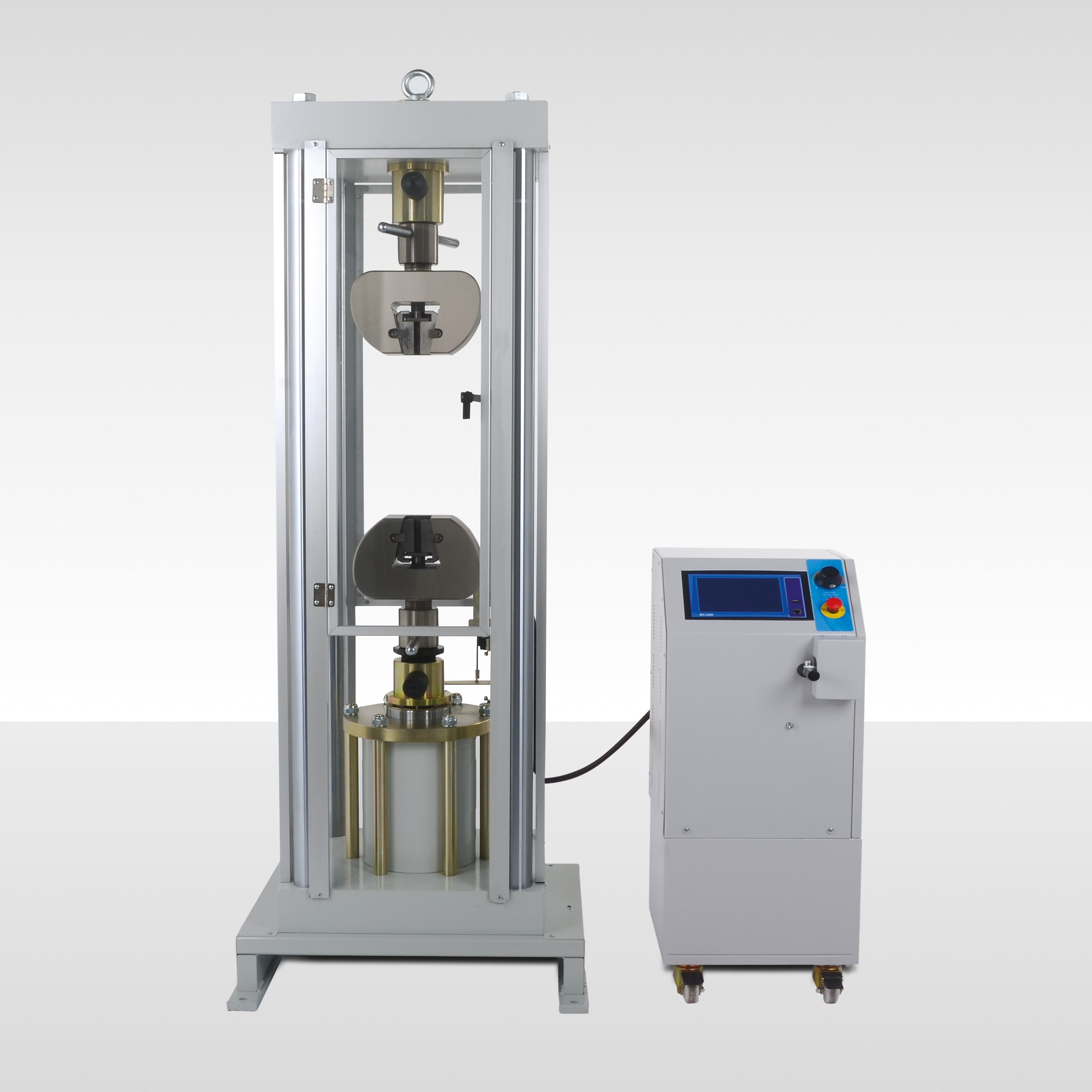
- Load 'Er Up: You carefully place the sample between the two plates (called platens) of the UTM. These platens are super strong and perfectly aligned to apply force evenly. No wonky squishing allowed!
- The Squeeze Begins: The UTM starts applying force, slowly but surely. A computer records how much force is being applied and how much the material is deforming (i.e., how much it's squishing).
- Crunch Time (or Not!): The test continues until the material either breaks, reaches a predetermined amount of deformation, or we've reached our target force. We're looking for that sweet spot, or maybe just how much pressure it takes to turn it into a pancake.
- Data Dive: After the test, we get a bunch of data points that tell us about the material's compressive strength (how much force it can withstand before breaking) and its elasticity (how much it can deform and still return to its original shape).
Why Do We Even Bother?
Great question! Compression tests are crucial for figuring out if a material is suitable for its intended purpose. Imagine building a bridge out of super flimsy material. Not a good idea, right? We use compression tests to ensure the materials we're using can handle the loads they'll encounter in real life.
Think about it: buildings, cars, airplanes, furniture – all these things rely on materials that can withstand compression forces. Without these tests, we'd be living in a very wobbly (and potentially dangerous) world. And nobody wants a wobbly world!
Things to Consider: A Few Pro Tips
Not all compression tests are created equal. There are a few things that can affect the results, so it's important to be aware of them.
- Sample Size: Make sure your sample is the right size and shape for the test. Too small, and it might buckle. Too big, and the UTM might cry uncle.
- Loading Rate: How quickly you apply the force matters. Too fast, and the material might not have time to react properly. Too slow, and you might be there all day.
- Friction: Friction between the sample and the platens can affect the results. Use lubrication if needed to minimize this effect. (Think of it as giving the material a little massage before the big squeeze!)
By carefully controlling these factors, you can ensure that your compression test results are accurate and reliable.
Wrapping It Up (Like a Well-Tested Material)
So, there you have it! The Universal Testing Machine and the compression test – a dynamic duo that helps us understand how materials behave under pressure. It might sound a little technical, but it's all about making sure the things we build are strong, safe, and ready to handle whatever the world throws (or, in this case, presses) at them.
Next time you see a building, a bridge, or even just a sturdy chair, remember the unsung heroes – the UTMs and the compression tests – working behind the scenes to keep everything standing tall (even when being squeezed!). And hey, who knows, maybe you'll even feel inspired to conduct your own compression test… on a marshmallow. Just kidding (mostly!).
Go forth and build strong, friends!
