
Ultimate Tensile Strength Vs Yield Strength
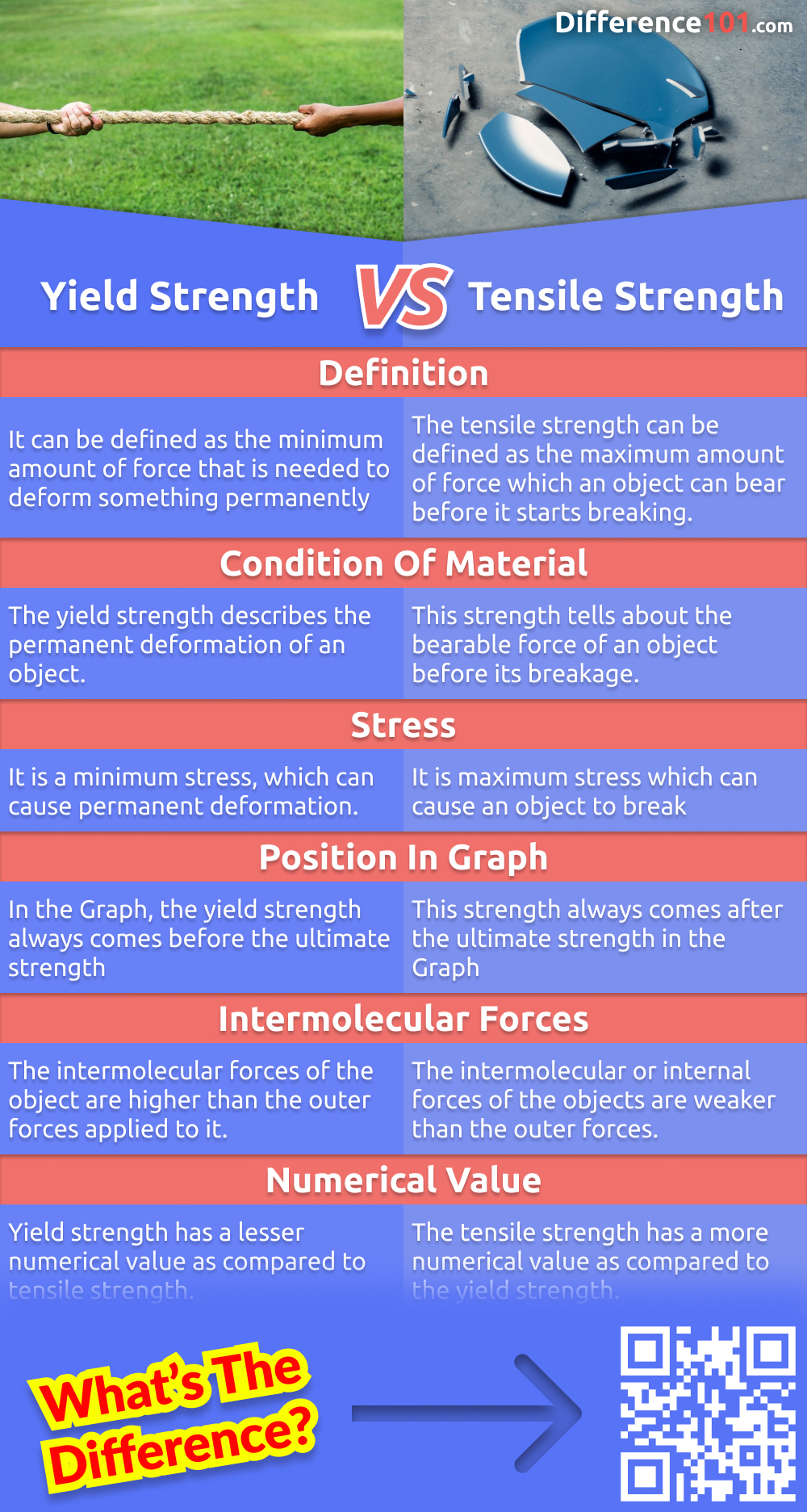
Ever wonder what keeps bridges from collapsing or airplanes from falling apart? It's more than just good luck, friend! It's all about understanding material strength. Specifically, two cool concepts: Ultimate Tensile Strength (UTS) and Yield Strength. Let’s dive in, shall we?
Think of it like this: you’re at a party. Yield Strength is like that awkward moment you slightly overstretch a rubber band. It's deformed, but not broken. UTS? That's when the rubber band finally snaps! Kaboom!
Yield Strength: Bending But Not Breaking!
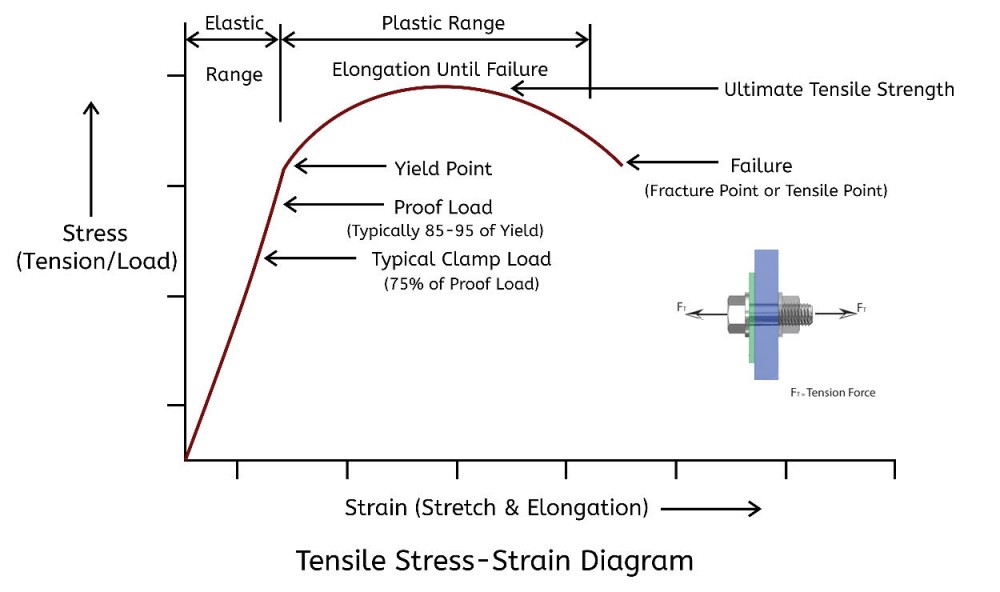
So, what exactly is Yield Strength? It's the amount of stress a material can handle before it starts to deform permanently. Imagine bending a paperclip. A little bend? It springs back. Too much? It stays bent. That point where it stays bent is around the yield strength.
Must Read
Fun fact: Materials with high yield strength are awesome for things that need to hold their shape under pressure. Like, I dunno, skyscrapers! Or maybe your grandma's super-strong Tupperware.
It's like when you're trying to convince your friend to do something risky but not too risky. “Come on, just a little peer pressure! I promise it won't permanently change you!" That's yield strength in action, buddy!
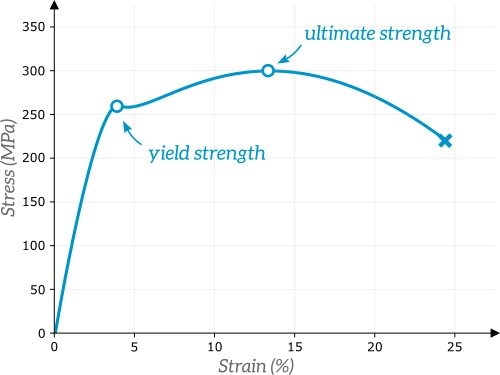
And here's the kicker: If you push a material past its yield strength, it's never quite the same. It’s like that time you tried to bake a cake following a recipe you thought you understood. Messy. Permanently messy. The kitchen – and the cake – were never quite the same.
Ultimate Tensile Strength: The Breaking Point!
Now, let's crank things up to eleven! Ultimate Tensile Strength (UTS) is the maximum stress a material can withstand before it breaks. It's the point of no return. The Grand Finale. The dramatic mic drop of material science.
Think of it like pulling taffy. You can stretch it, stretch it, stretch it… and then SNAP! That satisfying (or terrifying) snap is thanks to exceeding the UTS.
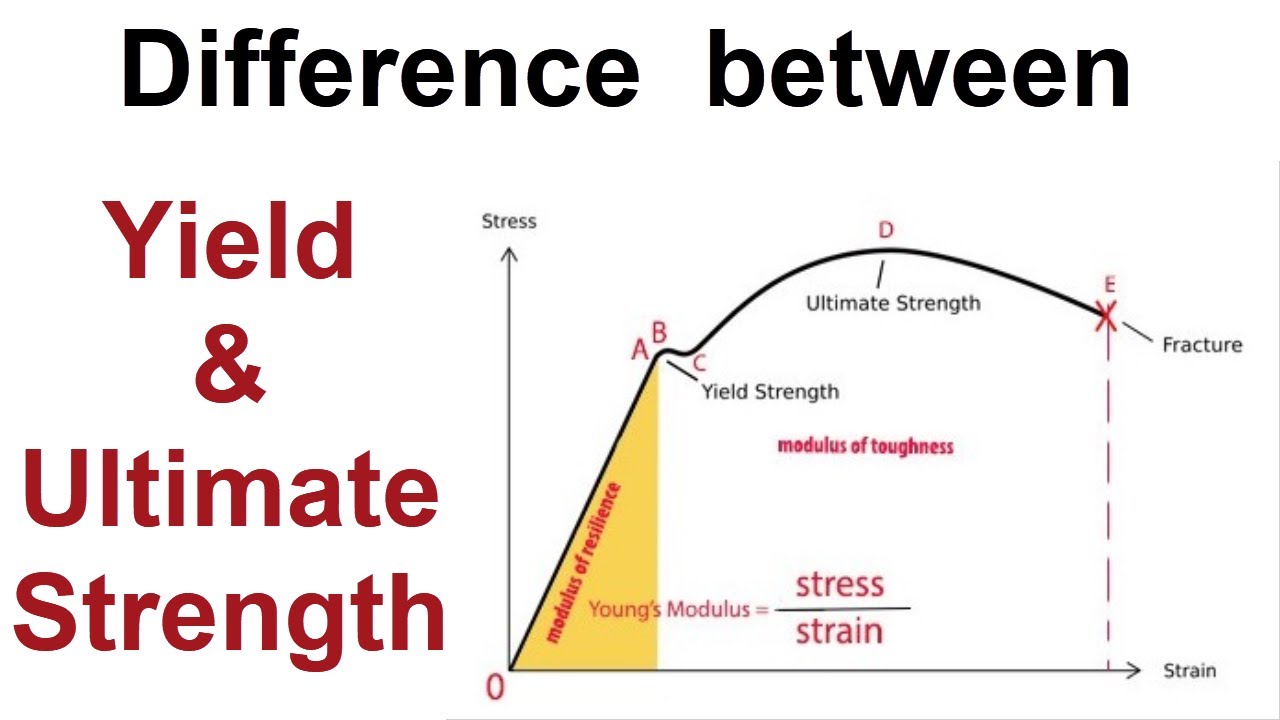
Materials with high UTS are perfect for things that need to handle extreme forces. Think suspension cables on bridges. Or the steel in a superhero’s indestructible shield (totally a thing, right?).
Why is UTS important? Well, imagine designing a bridge. You need to know how much weight those cables can hold before they… well, don’t. Catastrophic failure averted! You're a hero! (Just don't tell anyone you learned this from a casual chat about rubber bands.)
It’s like when you're trying to hold your laughter in a super-serious situation. You can manage... manage... manage... and then BOOM! You crack up. That "BOOM" moment? Your laughter exceeded your…uh…emotional tensile strength? Okay, maybe that's a stretch. But you get the idea!
UTS vs. Yield Strength: A Dynamic Duo!
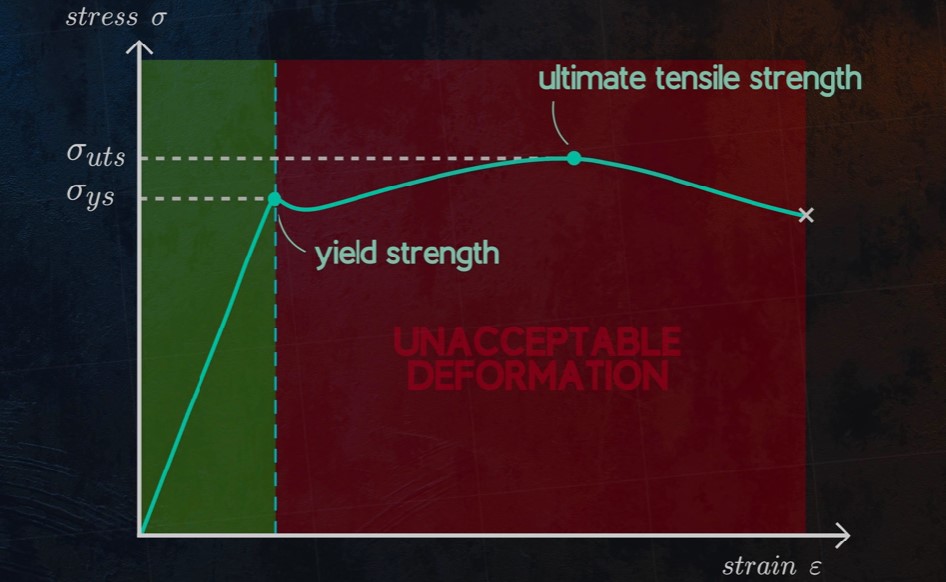
So, what's the real difference? Yield Strength is about permanent deformation. UTS is about actual breakage. They're related, but distinct. Think of it like this: Yield Strength is the warning sign; UTS is the cliff.
A material can have a high yield strength but a relatively low UTS. Meaning it can deform quite a bit before breaking, but it won't withstand a huge amount of force overall. Vice versa is also true.
Knowing both is crucial for engineers. They need to choose materials that can handle the stresses of their application without permanently deforming (which can lead to long-term issues) and, of course, without outright failing!
It's like choosing between wearing stretchy yoga pants (high yield, lower UTS – comfy but might eventually rip) or super-stiff jeans (lower yield, higher UTS – durable but zero give). Your choice depends on the situation, right?
Ultimately, understanding Ultimate Tensile Strength and Yield Strength is like having a superpower. You can look at the world around you and appreciate the amazing engineering that keeps everything from crumbling. Next time you cross a bridge or fly in a plane, remember the unsung heroes of material science: UTS and Yield Strength!
Now go forth and impress your friends with your newfound knowledge! Just try not to actually break anything in the process.