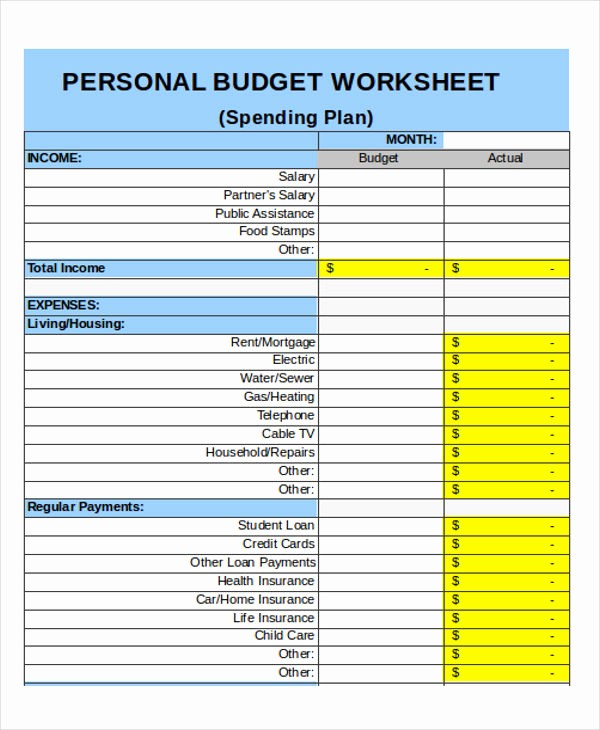
Typical Monthly Expenses For A Single Person
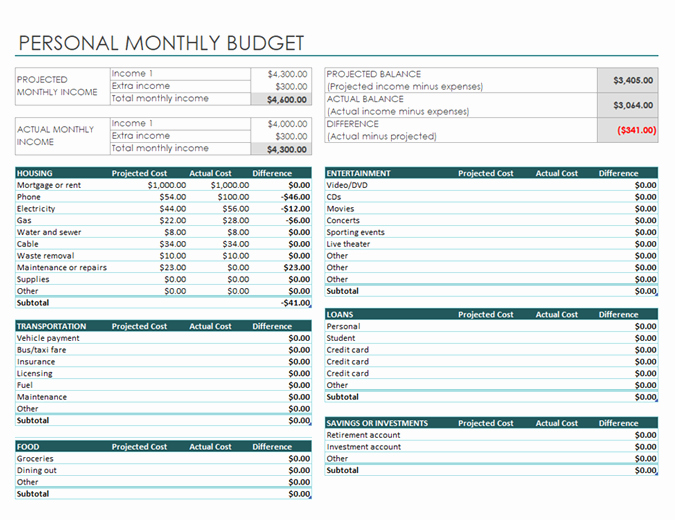
Hey there, curious cats! Ever wondered where your paycheck actually goes each month? Like, beyond that vague feeling of "poof, it's gone"? We're diving into the fascinating world of typical monthly expenses for a single person. No lectures, no judgment, just a peek behind the curtain to see what's really happening. Ready? Let's roll!
The Big Kahuna: Housing
Okay, let's face it, this is usually the heavyweight champ. Housing – whether it's rent or a mortgage – often takes the biggest bite out of your budget. Think of it like this: if your budget were a pizza, housing would probably be that giant slice with all the pepperoni. But how much, exactly? It really depends!
Are you living in a bustling city center like New York or San Francisco? Expect to pay a premium. More like having to buy the whole pizza just for that one slice! Or are you chilling in a more affordable, smaller town? Then you might be looking at a much smaller slice, leaving you more room for... well, more pizza (or other fun stuff!). Generally, aiming for around 30% of your pre-tax income on housing is a good benchmark. But remember, this is just a guideline!
Must Read
Fueling the Machine: Food and Groceries
Next up, we've got food. This isn't just about surviving on ramen (although, let's be honest, we've all been there). This includes groceries, eating out, and those sneaky coffee shop visits. Is your kitchen a culinary playground, or do you prefer the convenience of takeout? That's a big factor. A meticulous meal planner can save a ton, while a spontaneous diner might see those food costs creeping up. Think of it this way: are you building a gourmet meal worthy of a Michelin star, or grabbing a quick burger on the go? Both are valid, but the cost differs significantly!
A rough estimate? Somewhere between $200 and $500 a month, depending on your lifestyle and location. Pro tip: Cooking at home is almost always cheaper. So, dust off those cookbooks (or just Google a recipe – no judgment!).
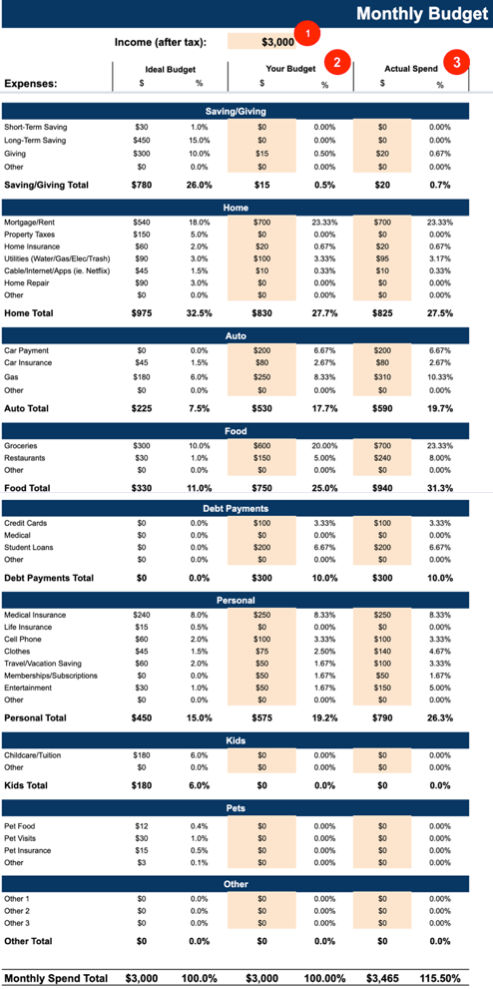
Staying Connected: Utilities and Communications
We live in a connected world, right? So, internet, phone, electricity, gas (if you have it) – these are all essential. Are you a streamer who devours terabytes of data monthly? Or are you more of a "check email once a day" kind of person? This makes a huge difference in your internet bill. And how about those scorching summer days? Running the AC non-stop can really pump up your electricity bill. Think of utilities like your car: you need gas to get anywhere, and you need electricity to power your gadgets. But just like driving efficiently, you can conserve energy and save some cash! Budgeting $100-$300 depending on your location and consumption is a fair starting point.
Getting Around: Transportation
How do you get from point A to point B? Do you own a car? Public transportation? Bike? Walk? Each option comes with its own set of costs. A car means gas, insurance, maintenance, and maybe even parking fees. That can add up fast! Public transport might be cheaper, but it depends on your city's rates. And biking or walking? Well, those are practically free (besides the initial investment in a bike, of course!). This category can vary wildly, but a reasonable estimate might be $50-$400 a month.
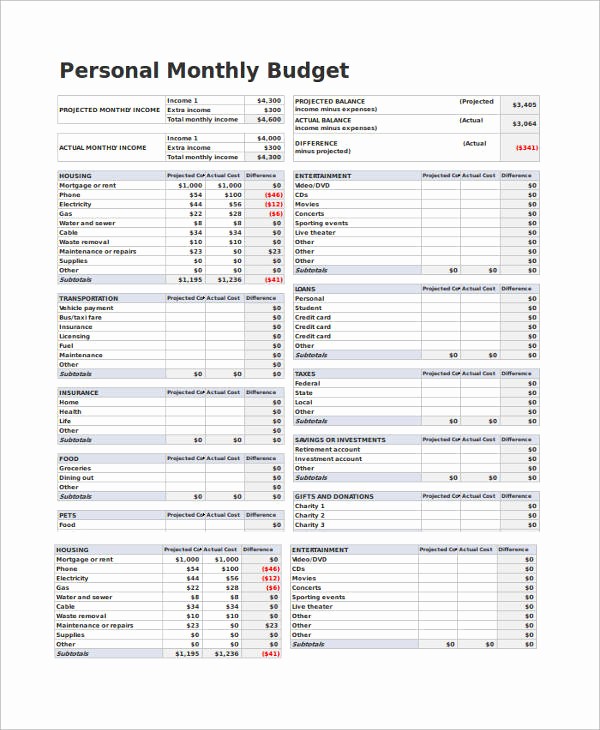
The Fun Stuff: Entertainment and Hobbies
Okay, this is where things get interesting! This is your "fun money" – movies, concerts, hobbies, that gym membership you swear you'll use (we've all been there!), and anything else that brings you joy. How much you spend here is entirely up to you. Are you a hardcore gamer who needs the latest console? Or are you content with reading library books and going for hikes? This is your chance to really tailor your budget to your passions. Think of this as the sprinkles on your financial sundae. It’s tempting to load up, but moderation helps prevent a sugar crash (or a bank account crash!). Generally, budgeting $100-$300 is a good starting point. But hey, if your hobby is skydiving, maybe adjust that number accordingly!
Keeping it Real: Insurance and Healthcare
Let's be real, life happens. And sometimes, it comes with a hefty medical bill. Health insurance is crucial, and depending on your employer's coverage (or lack thereof), it can be a significant expense. Plus, there's renters or homeowners insurance to protect your belongings. Think of insurance as your financial superhero, swooping in to save the day when unexpected things happen. Don't skimp on it! A reasonable range would be $100-$400.
The Miscellaneous Magic: Personal Care, Clothes, and More
This is the catch-all category for everything else that doesn't fit neatly into the above boxes. Haircuts, toiletries, clothes, that random gadget you just had to have... it all goes here. This is where mindful spending is key. Do you really need that new shirt? Or are you just bored? Think of this category as the "impulse buy" section of your budget. It's easy to overspend here, so be mindful! Aim for $50-$200 depending on your lifestyle.
So, What's the Bottom Line?
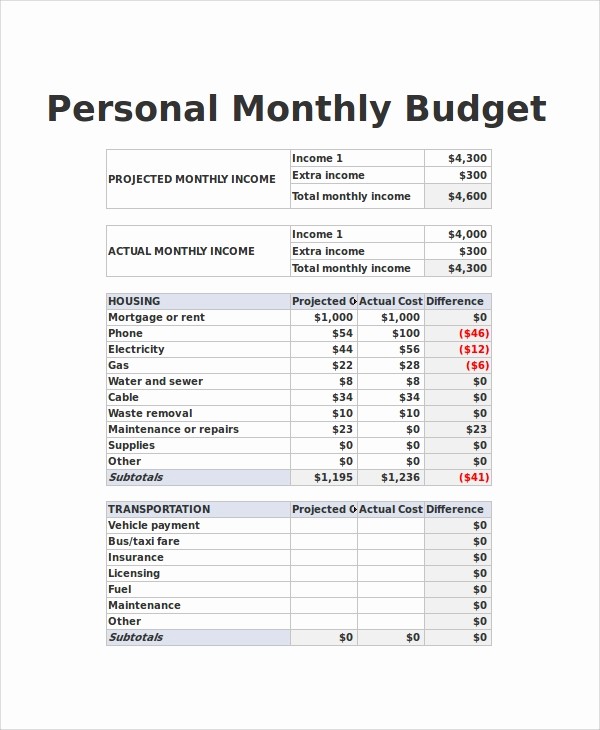
Add it all up, and a typical single person might spend anywhere from $1500 to $4000+ per month, depending on location, lifestyle, and spending habits. The key takeaway? There's no one-size-fits-all answer. It's all about understanding your spending patterns and making choices that align with your financial goals. Knowing where your money goes is empowering! So, track your expenses, create a budget, and take control of your finances. You got this!