
Types Of Tungsten Electrodes For Tig Welding
Alright, let's talk TIG welding, specifically, those little pointy bits that make the magic happen: tungsten electrodes! Ever wondered why there are so many different types? Stick around, because we're about to dive in and demystify these crucial components.
Think of tungsten electrodes like different flavors of ice cream. You wouldn't use mint chocolate chip on a burger, right? (Okay, maybe some adventurous folks would, but generally, no!) Similarly, the right tungsten electrode can make or break your TIG welding project. So, what are the flavors...err, types...available?
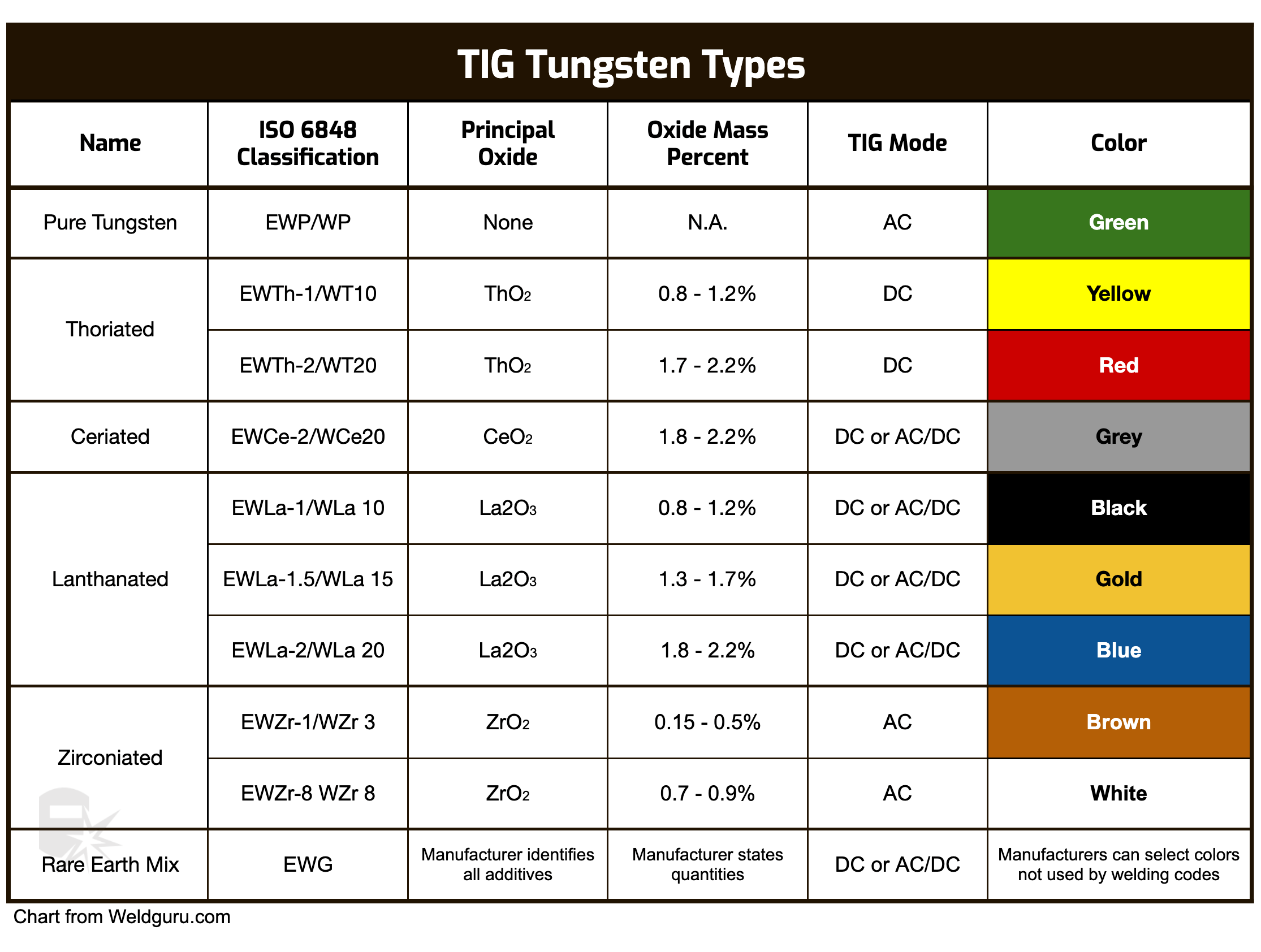
Pure Tungsten (Green Tip): The OG Electrode
This is your classic, your "plain vanilla" if you will. Pure tungsten, recognizable by its green color code, is the granddaddy of TIG electrodes. It's been around for ages and is great for AC welding, especially on aluminum. Why? Because it forms a nice, stable ball on the end when heated, which helps maintain a clean arc.
Must Read
But here's the thing: pure tungsten isn't the most versatile. It doesn't handle high amperage DC welding particularly well, and it's more prone to contamination. Think of it like an old car – reliable, but not exactly packed with modern features.
Thoriated Tungsten (Red Tip): The Powerhouse
Next up, we have thoriated tungsten, easily identified by its red stripe. This is a workhorse electrode, containing a small amount of thorium oxide (usually 1-2%). What does that thorium do? It makes the electrode easier to start an arc, increases its current carrying capacity, and reduces tungsten contamination in your weld. Basically, it's the performance upgrade you didn't know you needed.
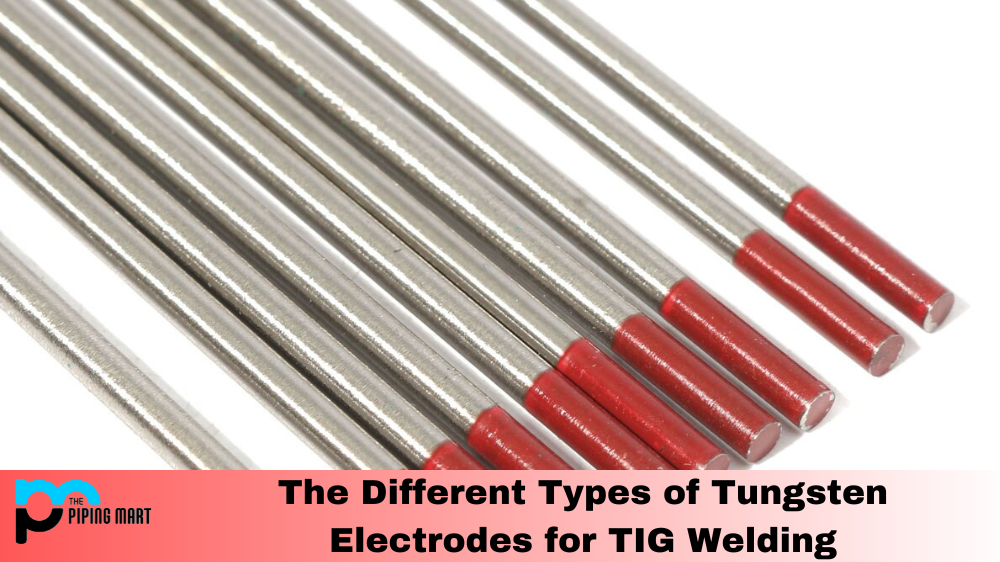
Think of thoriated tungsten like adding a turbocharger to your engine. More power, better performance! However, there's a slight catch. Thorium is mildly radioactive. While the risk is very low with proper ventilation and grinding techniques, some welders prefer to avoid it altogether. This is where the alternatives come in.
Ceriated Tungsten (Orange or Grey Tip): The All-Rounder
Enter ceriated tungsten (orange or grey tip). This one contains a small amount of cerium oxide. It's often called the "safer alternative" to thoriated tungsten. It’s excellent for both AC and DC welding, especially at lower amperages.
Imagine ceriated tungsten as a fuel-efficient hybrid car. It gives you good performance across various conditions and is environmentally conscious. It's a solid choice for a wide range of projects, making it a favorite among many welders. It doesn't require as high of a current to sustain an arc, and it works well for welding thin materials.

Lanthanated Tungsten (Gold, Blue, or Black Tip): The Versatile Performer
Lanthanated tungsten, marked with a gold, blue, or black band (depending on the percentage of lanthanum oxide), is another popular option. It combines the benefits of thoriated and ceriated tungsten without the radioactivity concerns. It starts easily, has a stable arc, and handles both AC and DC welding with aplomb.
Picture lanthanated tungsten as a high-end SUV. It's got the power and performance when you need it, but it's also comfortable and refined for everyday use. It's a versatile electrode that can handle a wide variety of welding applications.
![Tips For Selecting Tungsten Electrodes [TIG Welding]](https://weldingpros.net/wp-content/uploads/2022/05/tungsten-Electrodes-Guide-1024x563.webp)
Zirconiated Tungsten (White Tip): The Aluminum Ace
Last but not least, we have zirconiated tungsten (white tip). This electrode contains a small amount of zirconium oxide. It's specifically designed for AC welding, particularly on aluminum.
Zirconiated tungsten is like having a specialized tool for a specific job. It creates a very stable arc and minimizes tungsten contamination, which is crucial when welding aluminum. Compared to pure tungsten, zirconiated tungsten has a higher resistance to tungsten spitting. Think of it as a finely tuned instrument for working with aluminum.
So, there you have it! A whirlwind tour of the wonderful world of tungsten electrodes. Remember, choosing the right electrode is crucial for achieving optimal welding results. Experiment, research, and find what works best for your specific projects. Happy welding!
