
Types Of Fire Extinguishers And Uses
Okay, real talk for a sec. Picture this: I’m in the kitchen, feeling like a culinary genius, sizzling up some... well, let's just say it was ambitious. Suddenly, a small flare-up near the pan. My heart jumped straight into my throat. My first thought? "Oh, crud, where's the fire extinguisher?!" My second thought? "Wait, what kind is it? And what exactly am I supposed to do with it? Is this going to make things worse?!"
Spoiler alert: I didn't burn down the house. But that moment of sheer panic and utter cluelessness about the very thing designed to save my bacon (literally, in this case) stuck with me. And honestly, I bet a lot of you have been there, or at least thought about it. We all know we should have one, but do we really know what's rattling around in that red cylinder?
Why Bother? The Classes of Fire, My Friend!
Before we dive into the fun gadgets, we need to talk about fire itself. Because, believe it or not, not all fires are created equal. Trying to put out an electrical fire with water is about as smart as bringing a spoon to a sword fight – ineffective and potentially dangerous. Fires are categorized into different "classes" based on what's burning. Knowing these is key to choosing the right extinguisher. Trust me on this one!
Must Read
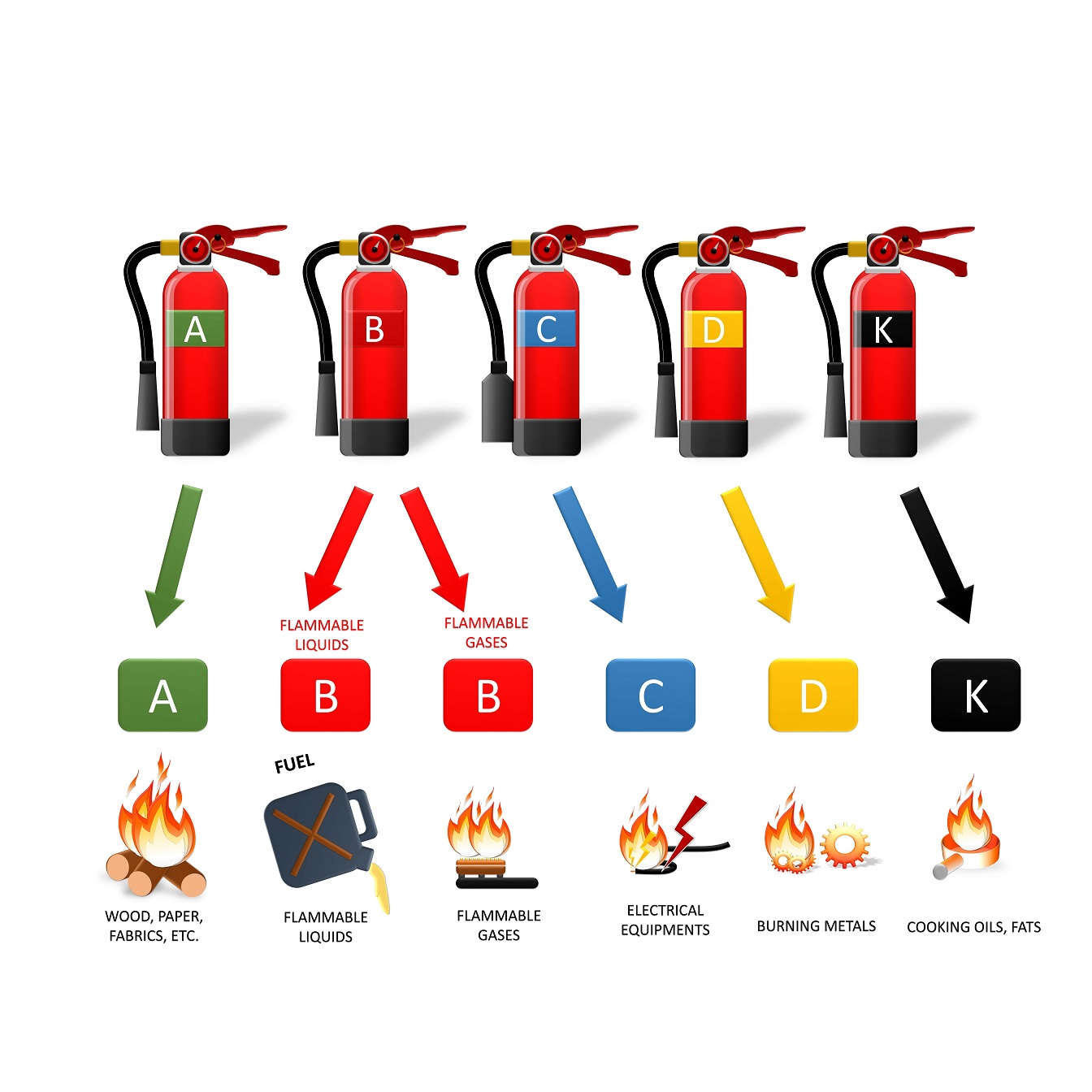
- Class A: This is your everyday stuff – wood, paper, cloth, plastic, rubber. Think campfire or overflowing recycling bin.
- Class B: Flammable liquids and gases like gasoline, oil, paint, propane. The stuff that catches fire fast and spreads faster.
- Class C: Electrical equipment fires. Think faulty wiring, overloaded outlets, or that ambitious kitchen appliance having a meltdown. Always treat it as live until you know it's not.
- Class D: Combustible metals. Sounds obscure, right? But metals like magnesium, titanium, or potassium can burn and require very specific agents. You probably won't encounter this unless you're in a specialized industrial setting, but hey, knowledge is power!
- Class K: Cooking oils and fats. This one is for your commercial kitchens, but also super relevant for those deep-frying incidents at home. These burn at incredibly high temperatures.
The Lineup: Meet Your Fire-Fighting Buddies
Now that we’re all fire-class experts, let's meet the stars of the show. You'll often see letters on an extinguisher indicating which classes of fire it can tackle. Keep an eye out for those!
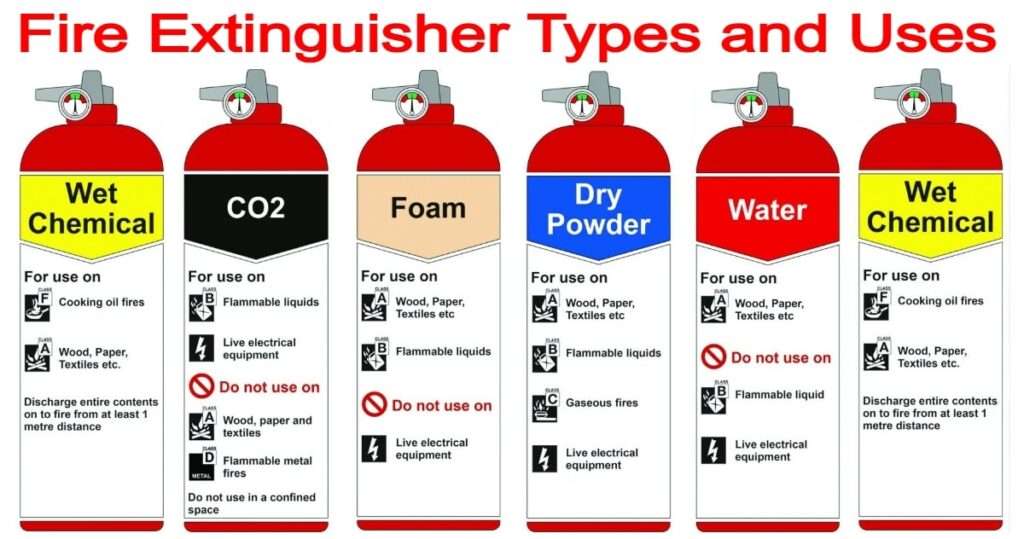
1. Water (The OG, but picky)
These are usually bright red, often with a white band. They work by cooling down the fuel below its ignition point.
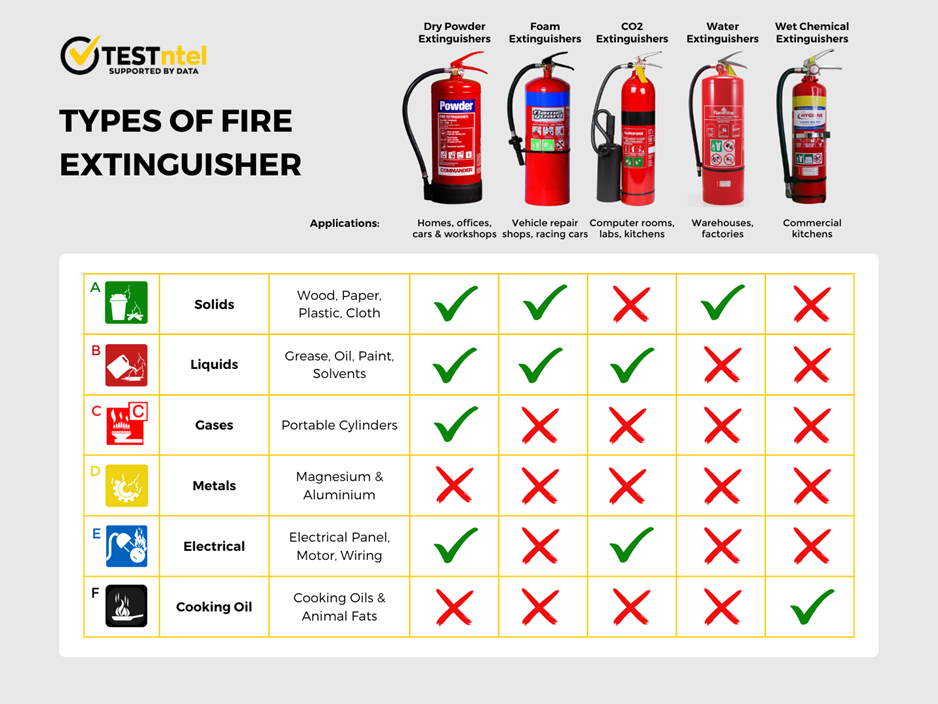
Good for: Class A fires. Think paper, wood, fabrics.
Definitely NOT for: Class B (spreads the liquid!), Class C (electrical shock hazard!), or Class K (can cause grease fires to explode!). Seriously, step away from the water if it's not just regular old stuff burning.
2. Foam (The Bubble Boss)
Also red, often with a cream band. These work by blanketing the fire, starving it of oxygen, and cooling it down. They're a bit like a fire-fighting duvet.
Good for: Class A and Class B fires.
Still NOT for: Class C (electrical), Class K (it’ll just run off the hot oil).
3. Dry Chemical (The All-Rounder, Mostly)
These are probably what you have at home. They're red and can have a blue band. There are two main types:
ABC Dry Chemical: This powder creates a barrier between the oxygen and the fuel, stopping the chemical reaction of the fire. It leaves a powdery mess, but hey, better than a burnt-down house!
Good for: Class A, Class B, and Class C fires. This is your general-purpose hero!
BC Dry Chemical: Similar mechanism, but without the Class A capability.
Good for: Class B and Class C fires.
The Catch: While versatile, they can be corrosive to electronics and leave a residue that's a pain to clean. For delicate equipment, you might want another option.
4. Carbon Dioxide (CO2) (The Clean Freaks' Choice)
These are also red, often with a black horn-like nozzle, and they're heavy. CO2 smothers the fire by displacing oxygen and cooling it.
Good for: Class B and Class C fires. Because it leaves no residue, it's great for sensitive equipment like computers or servers.
NOT for: Class A (might not fully extinguish deep-seated fires), and definitely not for Class K.
A quick note: Use these in well-ventilated areas, as CO2 can reduce oxygen levels. Don't go hugging it!

5. Wet Chemical (The Kitchen's Best Friend)
Red, typically with a yellow band, and look a bit different from the others. These contain a potassium acetate-based solution that cools the fire and creates a soapy film to prevent re-ignition.
Good for: Class K fires. They are specifically designed for those high-temperature cooking oil and fat infernos.
NOT for: Other fire classes, really. It’s a specialist.
(And for those super rare Class D metal fires? You'll need specialized dry powder extinguishers. Don't worry, you probably won't be grabbing one of these at your local hardware store.)
So, What Now? Don't Be a Hero, Be Prepared!
Knowing your extinguisher types is a massive step, but remember the famous P.A.S.S. method:
- Pull the pin.
- Aim the nozzle at the base of the fire.
- Squeeze the handle.
- Sweep the nozzle from side to side.
Always make sure your extinguisher is easily accessible, regularly inspected (check that gauge!), and that you know how to use it before an emergency. And please, please, please: if the fire is growing, spreading rapidly, or if you feel unsafe for any reason, get out, stay out, and call 911. No frying pan is worth risking your life over!
Now you're not just a homeowner; you're an informed, fire-aware superhero. Go forth and be safe!
