
Type Of Solder For Copper Pipe

Ever stood in your kitchen, minding your own business, when suddenly you hear that dreaded "drip... drip... drip"? Or perhaps you've been eyeing that DIY project, feeling all handy-person-ish, ready to tackle a new faucet or fix a pesky leak. Well, my friend, when it comes to those trusty copper pipes that bring water to your coffee maker and fill your bathtub, there's a little unsung hero you really ought to know about: solder.
Think of solder like the super-strong glue that holds your copper pipes together. It’s what makes sure your precious water stays inside the pipes and not, say, creating an impromptu swimming pool in your basement. But just like you wouldn't use Elmer's glue to fix a broken car bumper, you can't just grab any old solder for your copper pipes. Nope, there's a specific kind, and knowing the difference isn't just for the pros – it's for anyone who likes their floors dry and their water drinkable!
Why Should I Care About Solder, Anyway?
"Solder? Sounds a bit… technical," you might be thinking. "Isn't that just for plumbers in overalls?" And while they certainly know their stuff, a little knowledge goes a long way for us everyday homeowners. Here’s why it matters:
Must Read
1. Your Health (No Kidding!): Imagine filling your glass with sparkling water, only to realize it's been trickling through connections sealed with something less-than-ideal. Not a comforting thought, right? The type of solder directly impacts the quality of your drinking water. We want our water to be as pure as a mountain spring, not a chemical cocktail.
2. Avoiding Mini-Floods and Major Headaches: A poorly soldered joint is like a tiny ticking time bomb. It might hold for a bit, but eventually, it could give way, turning a minor drip into a gushing geyser. And trust me, nobody wants to come home to an indoor water feature that wasn't part of the decor plan. Using the right solder ensures a strong, lasting seal, giving you peace of mind that your pipes are doing their job, silently and effectively.
![[Guide] How To Solder Copper Pipe With Water In It - Solderingironguide](https://solderingironguide.com/wp-content/uploads/2019/08/solder-copper-pipe-1-1024x542.png)
3. Saving Money (Cha-Ching!): Getting it right the first time means you avoid costly repairs down the line. Think of it like investing in a good quality umbrella – a small upfront cost saves you from being drenched and needing a whole new outfit later. The right solder is your umbrella for your pipes!
Meet the Stars: Lead-Free Solder
Alright, let’s get to the nitty-gritty. For copper pipes carrying drinking water (and honestly, for most plumbing now), there's one reigning champion: lead-free solder. This isn't just a suggestion; it's the law in many places, and for good reason!
Imagine you're making a delicious, home-cooked meal. You wouldn't want to use cookware that might leach strange chemicals into your food, would you? The same goes for your water pipes. Lead-free solder is precisely what it sounds like: it contains no lead, making it safe for potable (drinkable) water systems.

These solders are typically made from a mix of metals like tin, copper, bismuth, silver, or antimony. They melt at a slightly higher temperature than their old, leaded cousins, which means they might be a touch trickier to work with if you're a beginner, but the extra effort is absolutely worth it for your health and home.
When you're browsing the hardware store aisle, look for labels that proudly declare "lead-free" or often "potable water safe." Sometimes they'll even have a little NSF (National Sanitation Foundation) certification stamp, which is like a gold star for safety. You might see terms like "95/5 tin-antimony" or "tin-silver" – these are all good, safe choices for your water lines.
The Old-Timer (Who's Retired): Lead Solder
Once upon a time, lead-based solder was the go-to for pretty much everything. It was easy to work with, flowed beautifully, and made strong joints. But, as we’ve learned a lot about health over the years (like how too much ice cream before bed isn't always a great idea), we also discovered that lead isn't exactly a fantastic additive for our bodies.
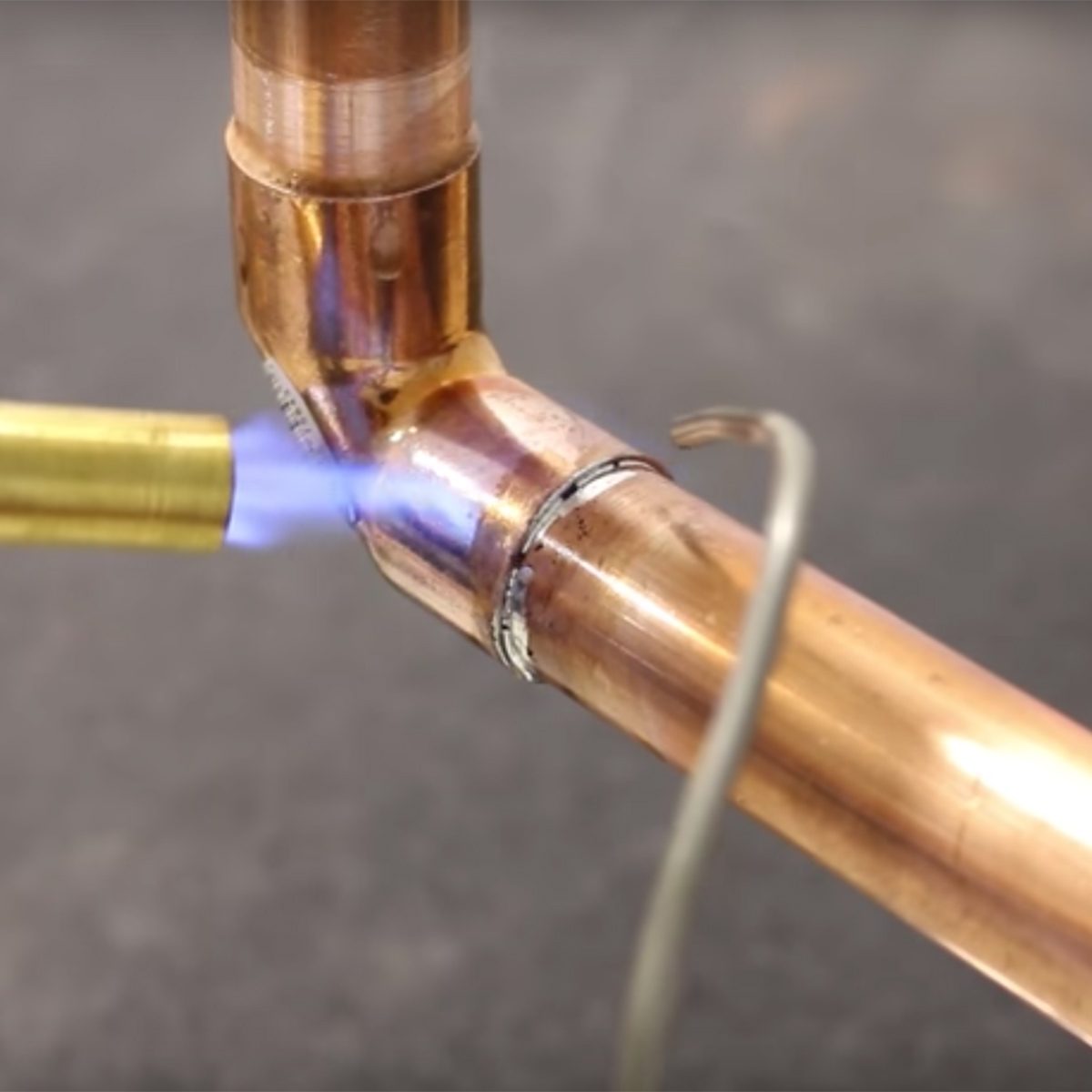
Lead can leach into drinking water, and over time, even small amounts can build up and cause health issues, especially for children. So, think of lead solder like that super cool, but slightly rusty, vintage car your grandpa used to drive. It had its era, it was functional, but now we've moved on to safer, more efficient models.
If you're ever doing repair work on a very old house, you might encounter leaded solder. It’s important to know it’s there, but never use it for new connections or repairs on pipes that carry drinking water. It’s a relic of the past for a reason!
A Little Helper: Flux!
Before you even think about solder, you'll need its trusty sidekick: flux. Imagine preparing a canvas for painting; you wouldn't just slap paint on a dirty surface, right? Flux is like the primer for your copper pipes. It cleans the metal, removing any oxidation or impurities, and helps the solder flow smoothly into the joint.
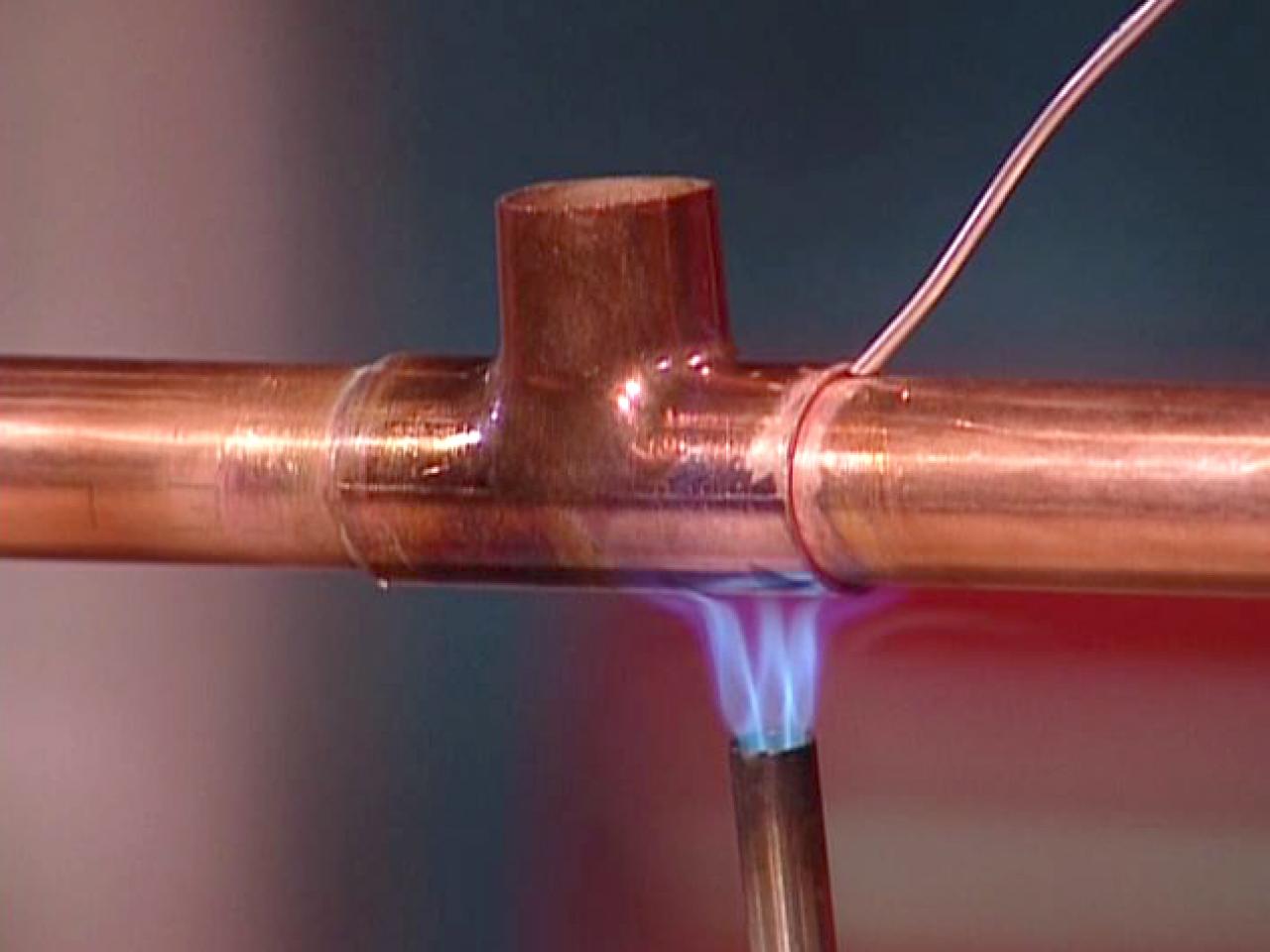
Without flux, your solder would just bead up like water on a freshly waxed car, refusing to bond properly. For copper pipes, you'll want a "water-soluble" or "lead-free compatible" flux. It’s usually a paste you brush onto the pipe ends before heating. It’s a small step that makes a huge difference in the strength and integrity of your joint.
Putting It All Together (Literally!)
So, next time you're facing a plumbing task, remember our little chat. Choosing the right solder isn't rocket science, but it is important. Opt for lead-free solder, ensure it’s labeled for potable water, and don't forget your trusty sidekick, flux.
With the right materials and a little care, you'll be joining those copper pipes like a pro, ensuring your home stays dry, your water stays clean, and your peace of mind remains intact. Plus, you get the satisfaction of knowing you’ve used the safest, most reliable option for keeping those essential lifelines flowing smoothly. Go forth and conquer those pipes, my friend!