Tungsten Inert Gas Welding Advantages And Disadvantages

Ever watched sparks fly and metal magically fuse together? That's often the work of welding, and one of the coolest and most precise techniques out there is Tungsten Inert Gas (TIG) welding! Also known as Gas Tungsten Arc Welding (GTAW), it's like the artisan of the welding world, favored for its clean, high-quality welds. But like any superpower, it has its strengths and weaknesses. Let's dive into the world of TIG welding and see what makes it tick!
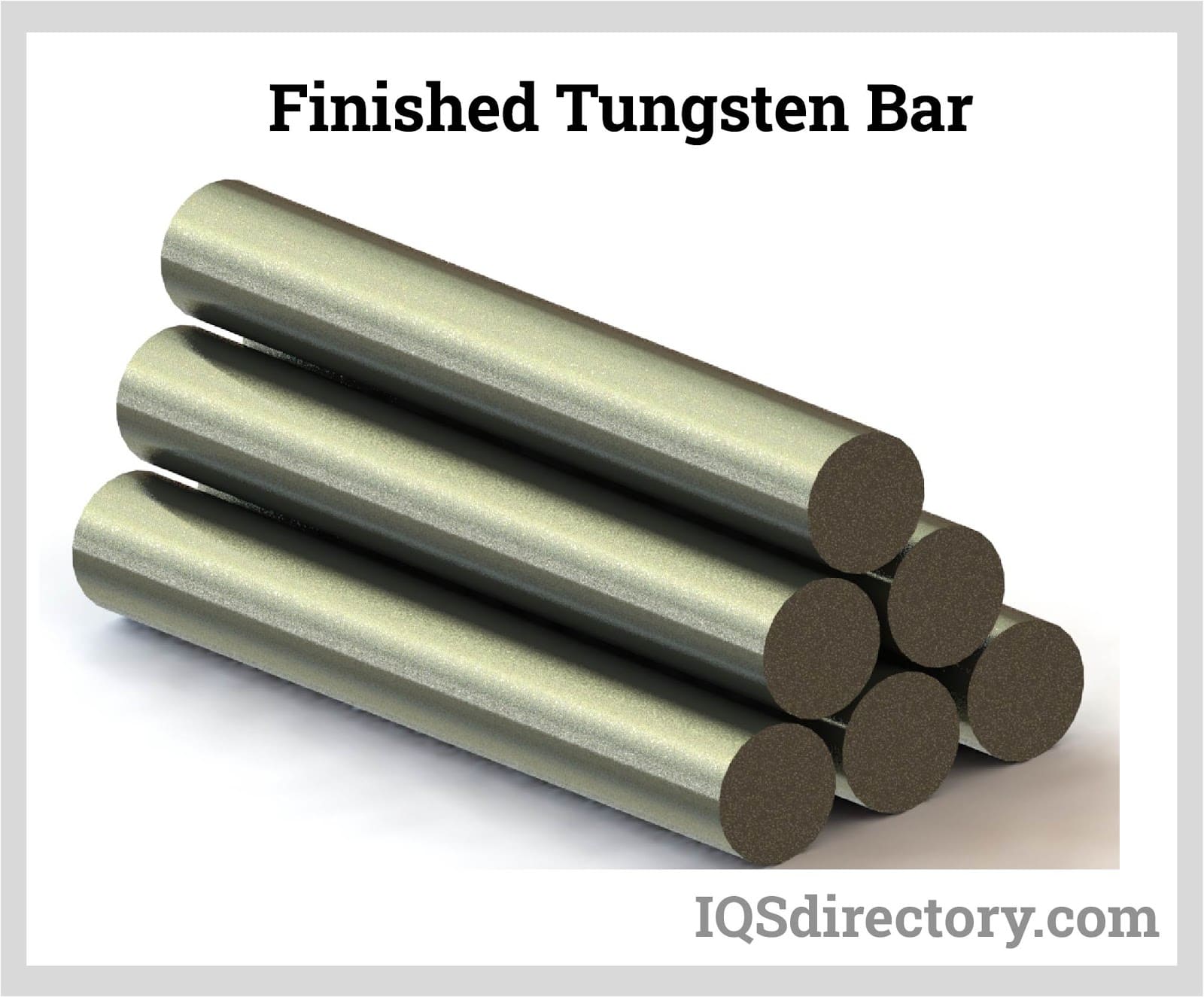
So, what exactly is TIG welding? Imagine a tiny arc of electricity jumping from a tungsten electrode (that's the 'T' in TIG) to the metal you're welding. This arc melts the metal, fusing it together. Crucially, an inert gas, usually argon, surrounds the weld, shielding it from the atmosphere. Think of it like a protective bubble that prevents oxidation and contamination, leading to those super-clean welds TIG is famous for.
One of the biggest advantages of TIG welding is its precision. You have incredible control over the heat input, allowing you to create beautiful, intricate welds on thin materials. This makes it perfect for everything from delicate artwork to aerospace components. Plus, you can weld a huge variety of metals, including aluminum, stainless steel, copper, and even some exotic alloys. Another awesome benefit? No sparks! You can also achieve stronger and higher-quality welds.
Must Read
Another key benefit is the cleanliness of the process. Because the shielding gas prevents contamination, you get welds with minimal spatter and slag, which means less cleanup afterwards. This is a huge time-saver and results in a much neater finished product.
But hold on, before you run out and buy a TIG welder, let's talk about the disadvantages. TIG welding is slower than other welding processes, like MIG welding. That precision comes at a cost! This means it's not always the best choice for large-scale projects where speed is crucial.
Another drawback is the skill required. TIG welding has a steeper learning curve than other methods. It takes practice and patience to master the technique of coordinating your hand movements, controlling the heat, and feeding the filler metal. You also need proper protective gear, as the bright arc can damage your eyes. So, investing in a good quality welding helmet is a must.

Finally, equipment cost can also be a factor. TIG welders tend to be more expensive than other types of welding machines. You'll also need to factor in the cost of tungsten electrodes, shielding gas, and other consumables.
In conclusion, TIG welding is a fantastic process for achieving high-quality, precise welds on a variety of materials. While it might be slower and require more skill than other methods, the results speak for themselves. If you're looking for the best possible weld quality and have the patience to learn the technique, TIG welding might just be your perfect match!