
Transition Metals On The Periodic Table Of Elements

Hey, wanna talk about something totally awesome? I'm talking about transition metals! Yeah, those guys chilling in the middle of the periodic table. Don't let the name scare you. They're way cooler than they sound.
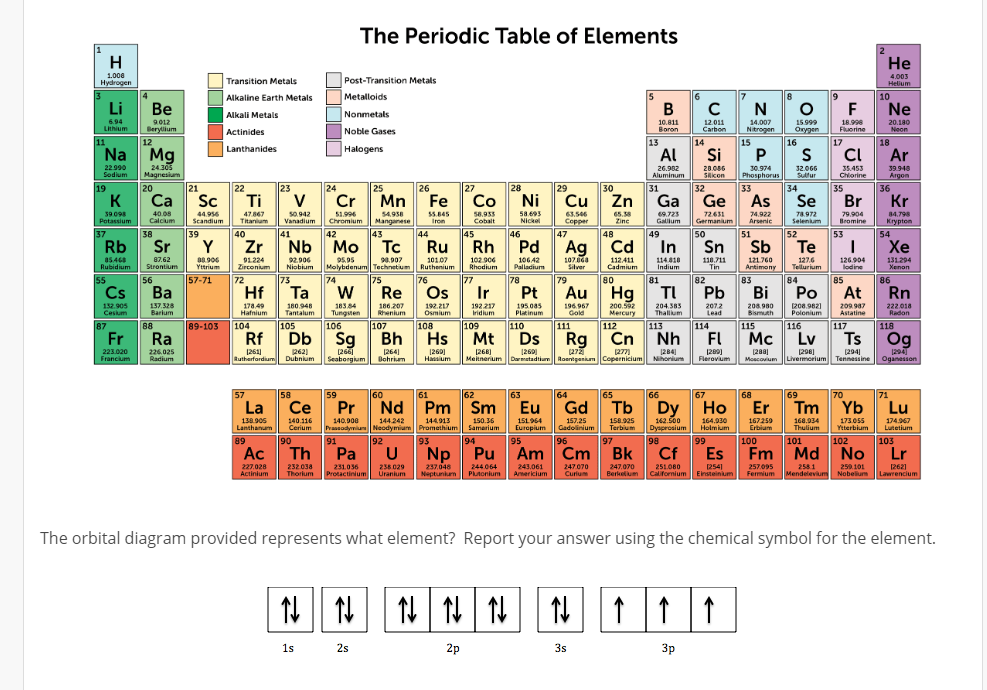
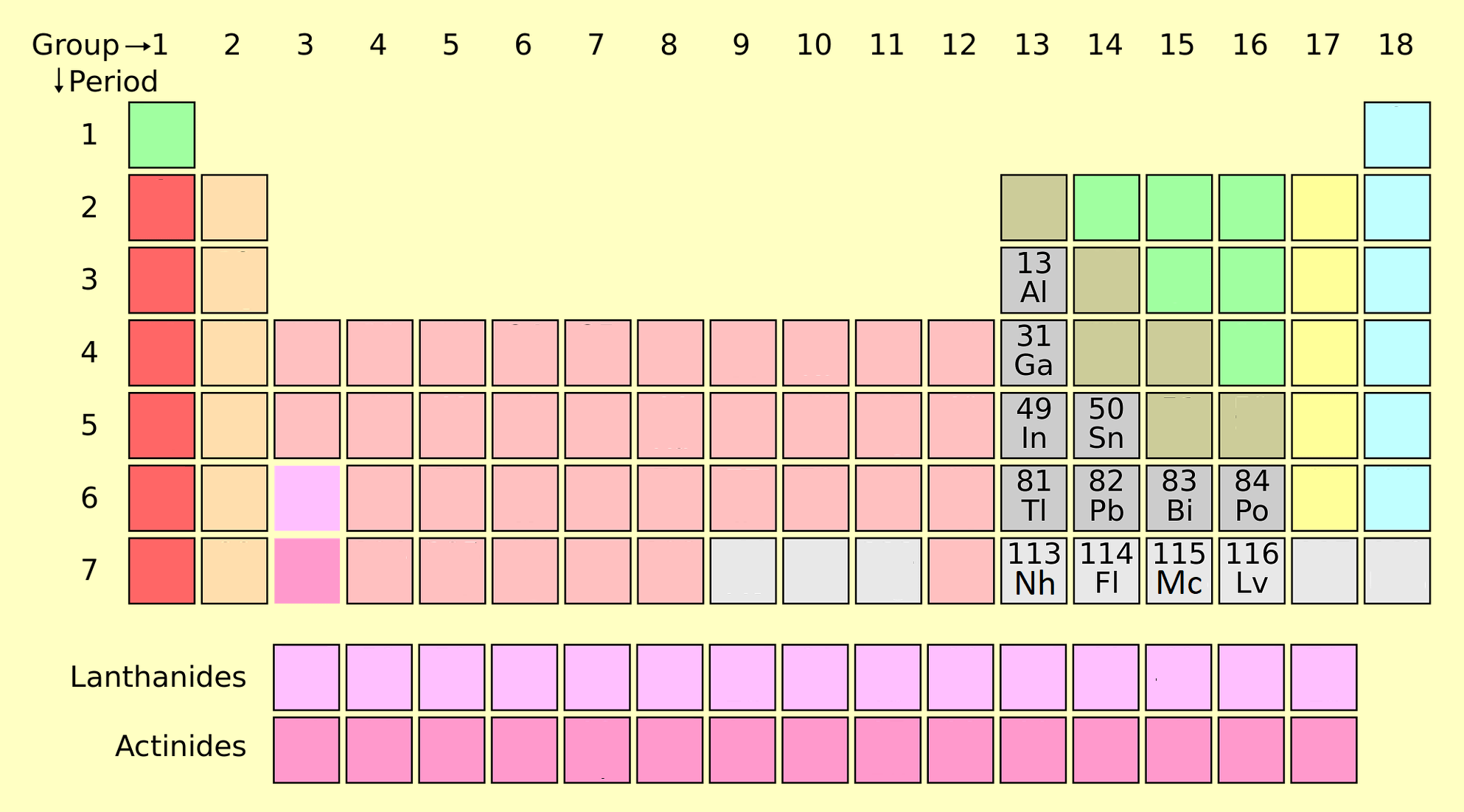
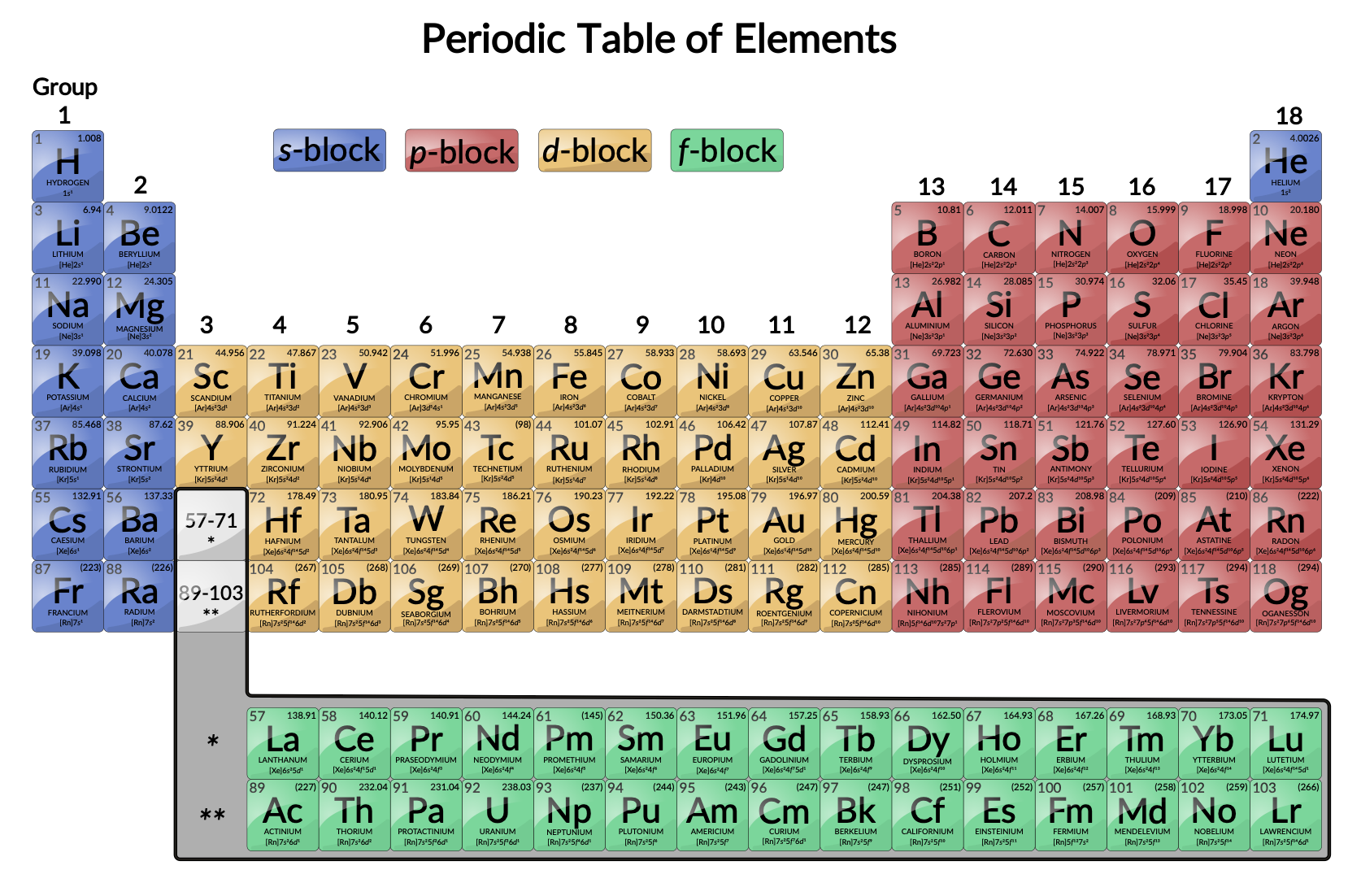
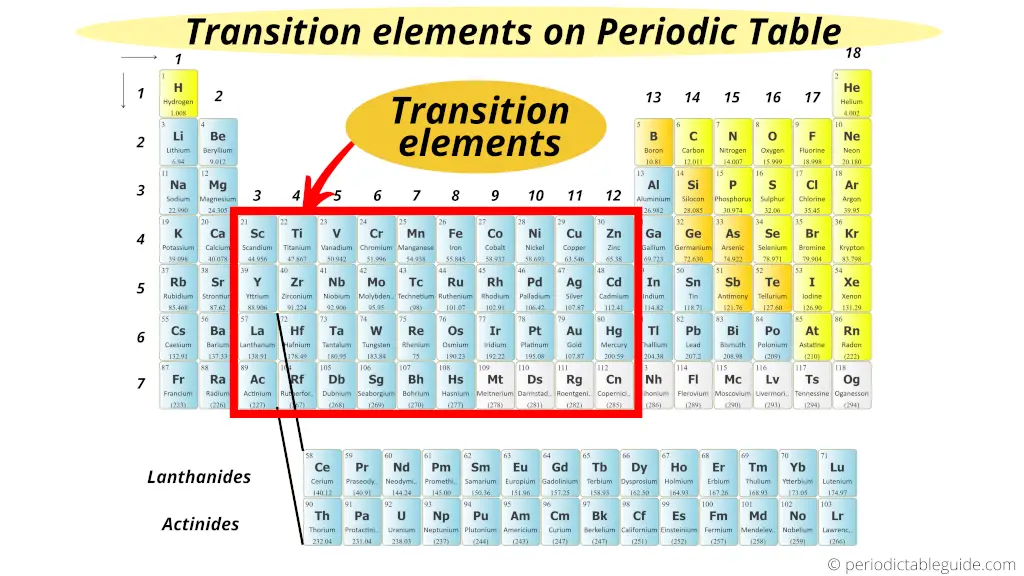
First off, the periodic table. Think of it as a giant seating chart for all the elements. And the transition metals? They're like the cool kids hanging out in the center. They’re not uptight like some of those other elements.
What Makes Them So Special?
Well, for starters, they're all about those electrons. Remember those tiny particles buzzing around atoms? Transition metals have a funky way of dealing with them. They don't just stick to the rules. They’re rebels! They can lose or share electrons in multiple ways, which is why they’re so versatile.
Must Read
This electron flexibility gives them some amazing properties. Like… color! Have you ever wondered why some gemstones are bright blue or vibrant green? Blame the transition metals! They absorb certain wavelengths of light and reflect the rest back to your eye. Copper compounds make things blue-green; chromium makes things red or green, depending on its electron situation.
Seriously, who knew that electron shenanigans could create such stunning visuals?
Meet the Crew: Some Rock Star Examples
Let's meet some of the stars of the show. First up: Iron (Fe). Yep, the stuff of steel! Without iron, buildings wouldn't stand tall, cars wouldn't exist, and you wouldn’t have paperclips. So next time you see a paperclip, give a little nod to iron.
Then there’s Titanium (Ti). Super strong and lightweight. You'll find it in everything from airplanes to artificial hips. Basically, it’s the element that makes stuff durable and tough.
And who could forget Gold (Au)? Shiny, precious, and chemically unreactive, meaning it doesn't easily tarnish. It's been prized for centuries, and it's not hard to see why. Talk about staying power!
Oh, and Nickel (Ni). It's used in batteries and stainless steel. Plus, think of all the nickels jingling in your pocket. It's literally money!
We can't forget Copper (Cu) either. Essential for wiring and plumbing. Imagine trying to watch your favorite streaming service without it.
They're Catalysts, Too! (Don't Panic!)
Another super cool thing about transition metals? They're often catalysts. What does that even mean? Think of them as matchmakers for chemical reactions. They help speed things up without being used up themselves.
For example, iron is used in the Haber-Bosch process, which produces ammonia, a crucial ingredient in fertilizer. So, thanks to iron, we can grow more food! Talk about a life-changing element.
Quirky Facts and Fun Tidbits
* Did you know that some transition metals are radioactive? Think uranium and plutonium. They’re the heavy hitters in nuclear power and, unfortunately, nuclear weapons. Powerful stuff, handled with extreme care. * The "coinage metals" – copper, silver, and gold – are all transition metals. Makes sense, right? They're all about value and stability. * Some transition metal compounds are used in pigments for paint and dyes. So, when you admire a colorful painting, you're probably looking at the work of transition metals. * Vanadium, named after the Norse goddess of beauty, Vanadis, is used to make steel stronger. I guess beauty and strength can go together after all.Why Should You Care?
Because transition metals are everywhere! They're in your electronics, your car, your jewelry, your bones (yes, iron!), and even the food you eat. They're essential for life as we know it.
Plus, understanding them is like unlocking a secret code to the universe. Okay, maybe that’s a bit dramatic. But seriously, learning about them can give you a whole new appreciation for the world around you. You start seeing chemistry everywhere!
So, the next time you glance at the periodic table, don't just skip over those guys in the middle. Give the transition metals a second look. They're a fascinating bunch with a lot to offer.
Who knows? Maybe you’ll even find your new favorite element!